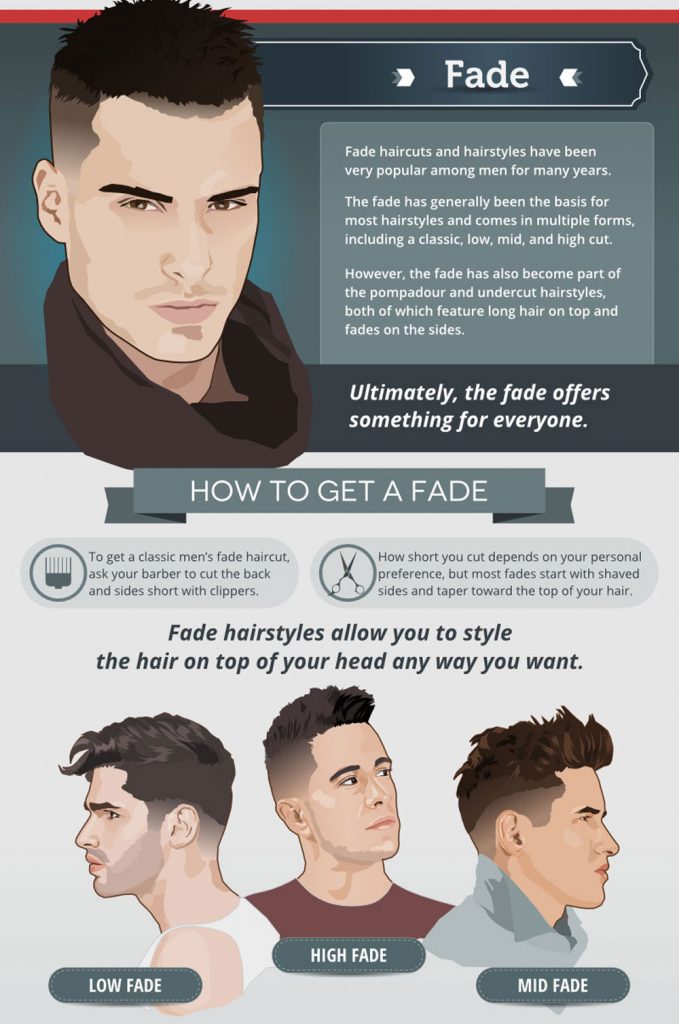
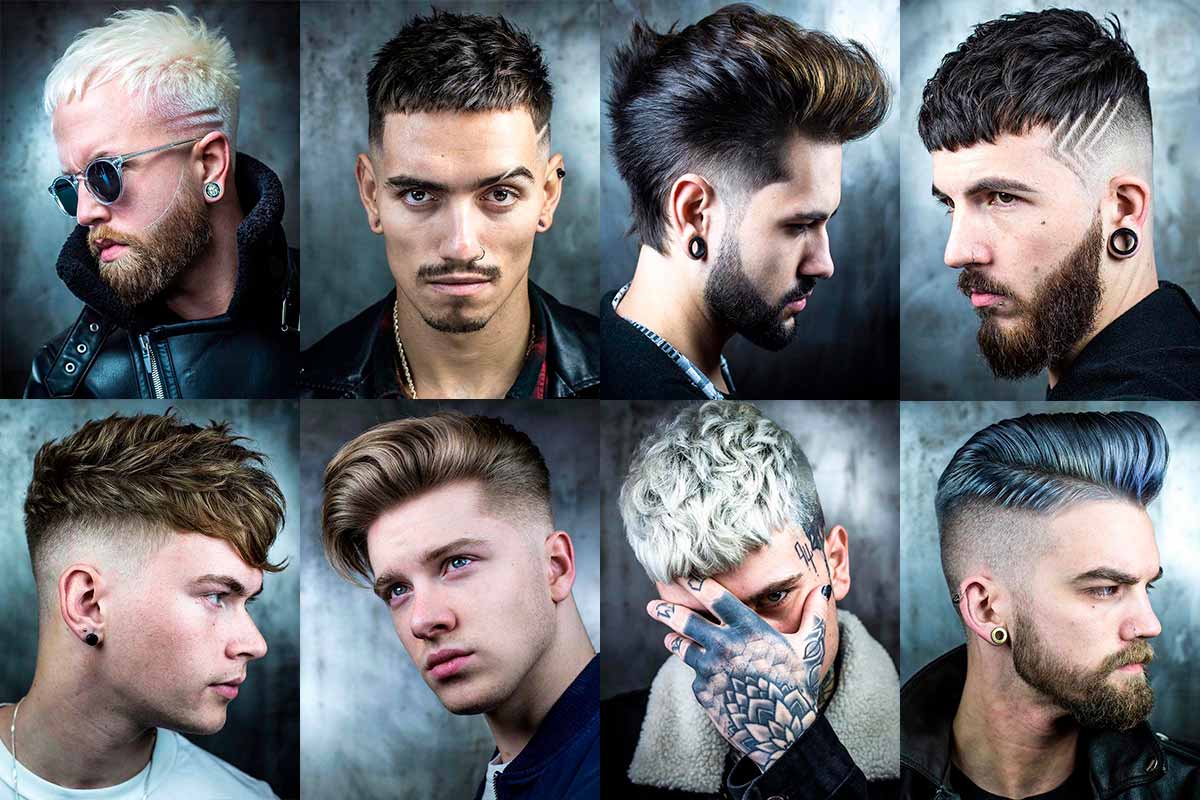
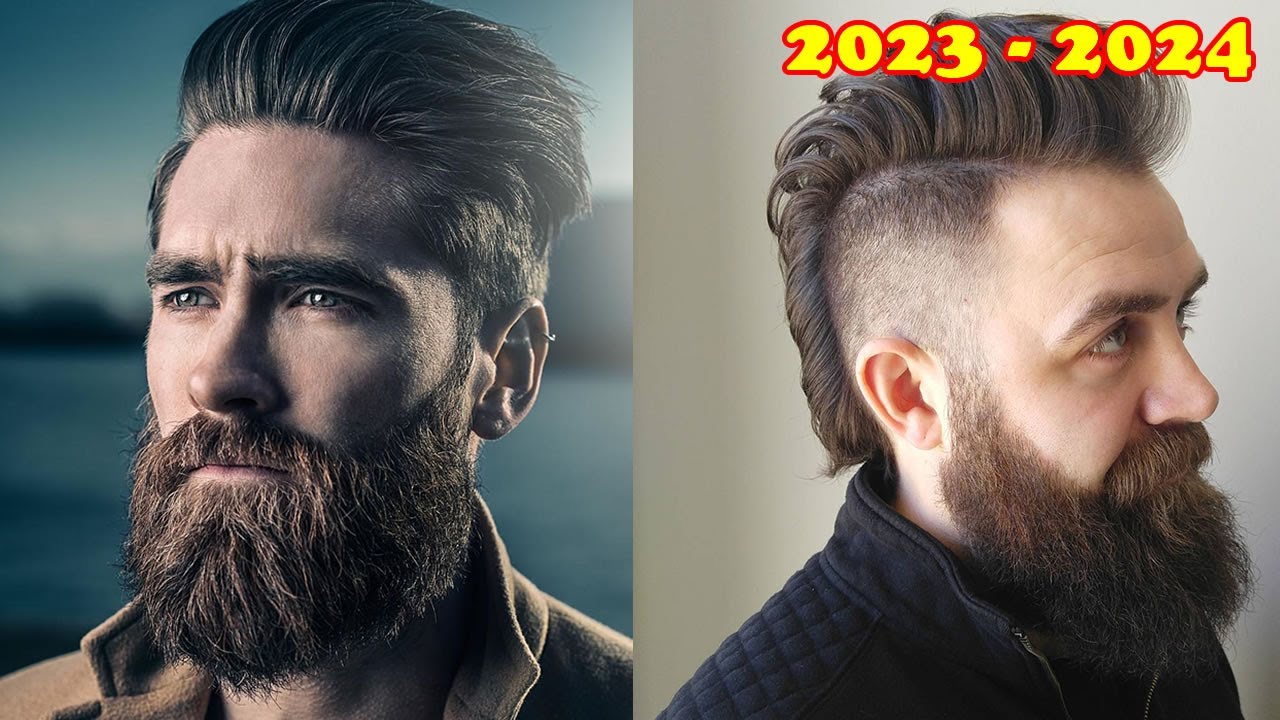
In the ever-evolving landscape of men’s fashion, one element remains a steadfast cornerstone of personal expression and style: the haircut. Far more than just a functional trim, a man’s hairstyle is a powerful statement, reflecting his personality, lifestyle, and even his aspirations. It can convey professionalism, rebellion, creativity, or effortless cool, often without a single word being spoken.
While trends come and go, certain hairstyles possess an undeniable timelessness, transcending fleeting fads to become iconic staples in the male grooming repertoire. These are the cuts that have proven their versatility, adaptability, and enduring appeal across generations, continually reinventing themselves while retaining their classic essence.
Choosing the right hairstyle is a nuanced decision, influenced by a myriad of factors including face shape, hair type (texture, thickness, density), lifestyle, and the amount of time one is willing to dedicate to daily styling. A truly great haircut isn’t just about what looks good on a model; it’s about what enhances your features and complements your individual aesthetic.
This comprehensive guide delves into the top five enduring hairstyles for men, exploring their history, who they best suit, detailed styling techniques, and why they continue to dominate the world of men’s grooming. Whether you’re seeking a sophisticated corporate look, a ruggedly handsome vibe, or something sharply modern, these five styles offer a robust foundation for any man looking to elevate his appearance.
1. The Classic Side Part: The Epitome of Timeless Sophistication
Description: The Classic Side Part is exactly what its name suggests: hair meticulously parted on one side (usually the natural part), with the longer top section swept neatly over to the other side. The sides and back are typically kept shorter, often with a subtle taper or a clean, classic scissor cut, maintaining a sense of proportion and neatness. It’s the quintessential "gentleman’s cut."
History and Evolution: This style rose to prominence in the early 20th century, becoming synonymous with professionalism and refined masculinity during the 1920s to 1950s. Think of the impeccably dressed men of the "Mad Men" era, or classic Hollywood stars. Its appeal lies in its clean lines and structured appearance, conveying an air of reliability and sophistication. While it has seen variations over the decades – from slicked-down looks to softer, more voluminous iterations – its core structure remains a testament to enduring style.
Who It Suits Best:
- Face Shapes: Universally flattering, it works well with most face shapes, including oval, square, round, and triangular. It can add structure to rounder faces and soften angular features.
- Hair Types: Ideal for straight to slightly wavy hair. Thicker hair will offer more volume, while finer hair can achieve a sleek, polished look. It’s less suited for very curly or coily hair unless significant effort is put into straightening.
Styling Guide:
- Preparation: Start with damp, towel-dried hair. Apply a pre-styling product like a sea salt spray for texture or a volumizing mousse for lift.
- Finding the Part: Use a comb to find your natural part (where your hair naturally separates) or create a defined part slightly off-center.
- Blow Drying: Use a blow dryer on medium heat, directing the air in the direction you want your hair to fall. For added volume, lift the roots with a brush or your fingers.
- Product Application: Once dry, warm a small amount of pomade (water-based for a medium hold and shine, or matte paste for a natural finish) between your palms.
- Combing and Shaping: Comb the hair on the larger side of the part back and across, ensuring a smooth, clean sweep. The smaller side can be combed down or slightly back. Use your fingers to refine the shape and add subtle texture if desired.
- Finishing Touch: A light mist of hairspray can lock the style in place, especially for a polished finish.
Maintenance: Regular trims every 3-4 weeks are essential to maintain the clean lines and shape, especially around the sides and back.
Why It’s a Top Pick: The Classic Side Part is the ultimate chameleon. It can be dressed up for formal occasions, worn casually for everyday elegance, or adapted with modern fades for a contemporary edge. Its inherent neatness projects an image of competence and confidence, making it a go-to for professionals and anyone who values a refined aesthetic.
2. The Quiff: The Art of Voluminous Elegance
Description: The Quiff is characterized by a significant volume of hair at the front, which is swept upwards and backward, creating a soft, often slightly messy, wave or roll. The sides and back are typically shorter, varying from a tight fade to a classic scissor cut, providing a sharp contrast to the voluminous top.
History and Evolution: While variations of swept-back hair have existed for centuries, the Quiff as we know it gained immense popularity in the 1950s, famously sported by rock and roll icons like Elvis Presley. It was a symbol of rebellion and cool, a bolder alternative to the slicked-back styles of the previous era. In recent decades, it has experienced a massive resurgence, evolving from its rigid, greased-back roots into softer, more textured, and adaptable forms, making it a modern classic.
Who It Suits Best:
- Face Shapes: Particularly flattering for oval, square, and heart-shaped faces, as the added height can elongate and balance features. It can also soften the angles of a square jawline.
- Hair Types: Best suited for medium to thick hair with some natural body or wave. Finer hair can achieve a quiff with the right products and blow-drying techniques, but it may require more effort.
Styling Guide:
- Preparation: Start with clean, damp hair. Apply a pre-styling product like a volumizing mousse, sea salt spray, or tonic for hold and texture.
- Blow Drying for Volume: This is crucial. Using a blow dryer on medium-high heat and a vent brush or round brush, direct the hair at the front upwards and backward, lifting at the roots to create maximum volume. Continue until hair is mostly dry.
- Product Application: Warm a generous amount of strong-hold pomade, clay, or wax between your palms.
- Shaping the Quiff: Work the product through your hair, focusing on the front section. Use your fingers to push the hair up and back, creating the desired height and shape. For a neater look, use a comb to refine the sides and top. For a more textured, messy quiff, use only your fingers.
- Finishing Touch: A light mist of strong-hold hairspray can ensure your quiff stays in place throughout the day.
Maintenance: The Quiff requires daily styling effort. Regular trims every 3-5 weeks are necessary to maintain the length on top and keep the sides and back neat.
Why It’s a Top Pick: The Quiff exudes confidence and charisma. It adds height and presence, making a statement without being overly dramatic. Its versatility allows it to be styled from sleek and refined to effortlessly textured and rugged, making it suitable for a wide range of personal styles and occasions.
3. The Textured Crop: Modern Edge Meets Minimal Effort
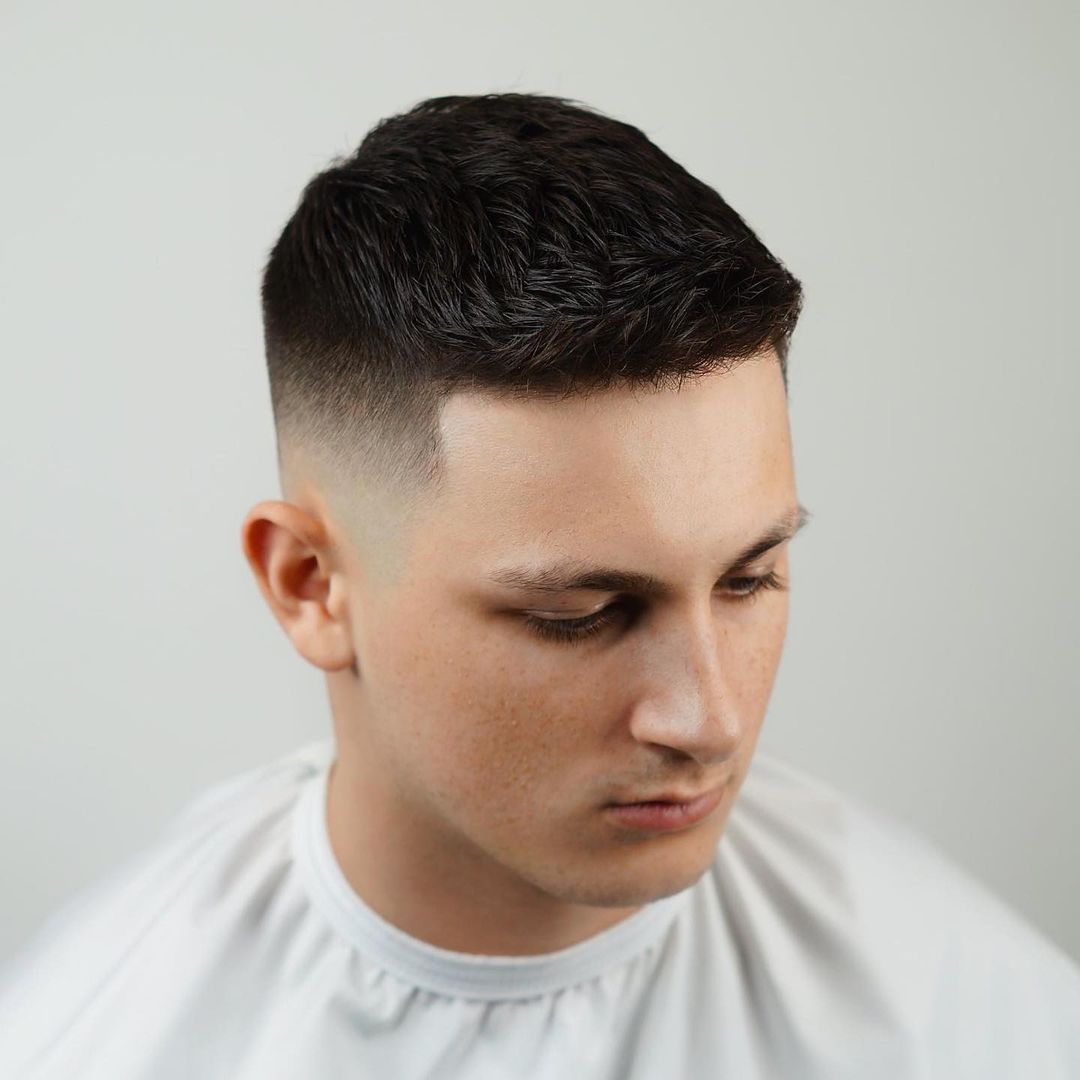
Description: The Textured Crop is a contemporary, low-maintenance style characterized by short back and sides (often faded or undercut), combined with a slightly longer top section that is cut with a blunt, often disconnected, fringe (bangs) falling forward. The key to this style is the "texture" on top, achieved through point cutting or layering, which gives it a natural, slightly messy, and effortless appearance.
History and Evolution: While short, forward-swept styles have historical roots (think the Roman Caesar cut), the modern Textured Crop gained immense popularity in the last decade. Influenced by military cuts and the sharp, no-nonsense aesthetics seen in shows like "Peaky Blinders," it has become a staple for men seeking a clean, edgy, and practical haircut. Its appeal lies in its modern simplicity and ease of styling.
Who It Suits Best:
- Face Shapes: Excellent for balancing round or square faces by adding angles and definition. It can also complement oval faces beautifully.
- Hair Types: Works well with most hair types, from straight to wavy, and even fine hair (as the texture adds volume). It’s particularly good for men with receding hairlines, as the forward-falling fringe can cleverly conceal it.
Styling Guide:
- Preparation: Start with clean, towel-dried hair. A pre-styling product like a sea salt spray can enhance natural texture.
- Blow Drying (Optional): For added volume or to control cowlicks, a quick blow dry on low heat, pushing the hair forward, can be beneficial. Otherwise, air drying works well.
- Product Application: The Textured Crop thrives on matte products. Warm a small amount of matte clay, paste, or fiber between your palms.
- Texturing: Work the product through the top section of your hair, pushing it forward and using your fingers to create definition and separation. You want a slightly disheveled, natural look, not a perfectly combed one. The fringe should fall naturally across the forehead.
- Refinement: Ensure the sides are neat and the top has the desired amount of texture and separation.
Maintenance: Due to the often-faded sides, regular trims every 2-4 weeks are crucial to maintain the sharpness and shape. The top can be allowed to grow out slightly for a softer look, but regular texturizing is key.
Why It’s a Top Pick: The Textured Crop is the epitome of contemporary cool. It’s incredibly versatile, looking sharp in professional settings yet effortlessly stylish for casual wear. Its low-maintenance nature makes it perfect for men who want a fashionable look without spending excessive time on styling, while its ability to mask a receding hairline adds to its broad appeal.
4. The Pompadour: Bold Volume and Retro-Modern Flair
Description: The Pompadour is a high-volume hairstyle characterized by a large mass of hair swept upwards and backward from the forehead, creating a prominent "pomp" or roll. The sides and back are typically kept shorter, often tapered or faded, to emphasize the dramatic volume on top. It’s a statement cut that demands attention.
History and Evolution: Named after Madame de Pompadour, a mistress of King Louis XV, the style first appeared for women in the 18th century. It was famously adopted by men in the 1950s, becoming an iconic symbol of rock and roll and rebellious youth, with Elvis Presley being its most famous proponent. Today’s Pompadour has evolved, offering variations from the classic, highly structured "greaser" look to softer, more modern interpretations with less shine and more texture, often paired with contemporary fades.
Who It Suits Best:
- Face Shapes: Particularly flattering for oval, square, and long face shapes. The height of the pomp can add balance to rounder faces and enhance the angles of a square jawline.
- Hair Types: Best suited for medium to thick hair with some natural body. Finer hair can achieve a pompadour, but it will require more product and meticulous blow-drying for volume.
Styling Guide:
- Preparation: Start with clean, damp hair. Apply a pre-styling product (like a volumizing tonic or mousse) generously to the roots.
- Blow Drying for Maximum Volume: This is the most critical step. Using a blow dryer on high heat and a round brush or vent brush, direct the hair at the front upwards and backward, lifting at the roots to create significant volume. Continue until hair is completely dry and has achieved the desired height.
- Product Application: Warm a generous amount of high-hold pomade (oil-based for classic shine and hold, or water-based for a cleaner feel) between your palms.
- Shaping the Pomp: Work the product through the top section, pushing the hair up and back to create the signature roll. Use a comb to smooth out any flyaways and define the shape. The sides should be combed neatly back or down.
- Finishing Touch: A strong-hold hairspray is highly recommended to keep the voluminous pomp in place throughout the day.
Maintenance: The Pompadour is a high-maintenance style, requiring daily styling effort. Regular trims every 3-5 weeks are essential to maintain the length on top and keep the sides and back sharp.
Why It’s a Top Pick: The Pompadour is a bold and charismatic choice. It exudes confidence, sophistication, and a touch of retro cool. Its dramatic volume makes a powerful statement, suitable for men who want their hair to be a focal point of their overall look. Despite its historical roots, modern variations ensure it remains relevant and stylish in today’s fashion landscape.
5. The Slick Back (often with an Undercut/Fade): Sleek, Sharp, and Edgy
Description: The Slick Back involves combing the entire top section of the hair straight back from the forehead, creating a smooth, streamlined look. While it can be worn with longer, classic sides, it is most commonly paired with an undercut (where the sides are uniformly short and disconnected from the top) or a fade (where the sides gradually taper from short to longer). This contrast between the sleek top and the sharply cut sides creates a powerful, modern aesthetic.
History and Evolution: The slicked-back style has a long history, dating back to the early 20th century, where it was popular among working-class men and later adopted by gangsters and businessmen alike, symbolizing a no-nonsense, sharp image. The addition of the undercut or fade is a more recent evolution, gaining immense popularity in the last decade. This modern iteration adds an edgy, contemporary twist to the classic sleekness, making it a favorite among those who appreciate both tradition and modernity.
Who It Suits Best:
- Face Shapes: Excellent for oval, square, and long face shapes. It can add length to rounder faces and emphasize strong jawlines.
- Hair Types: Best suited for straight to slightly wavy hair. Thicker hair will provide more volume and body when slicked back, while finer hair can achieve a very sleek, flat look.
Styling Guide:
- Preparation: Start with clean, damp hair. For a classic, shiny slick back, a water-based pomade is ideal. For a more modern, matte finish, use a strong-hold matte paste or clay.
- Product Application: Apply a generous amount of your chosen product evenly through your hair, ensuring full coverage from roots to ends.
- Combing Back: Using a fine-tooth comb, comb all of your hair straight back from your forehead. Ensure the sides are also combed back neatly, blending into the shorter sections (or creating a sharp disconnection with an undercut).
- Refinement: Use the comb to smooth out any bumps or flyaways. For a super polished look, use the back of the comb to flatten the hair. For a slightly more textured slick back, use your fingers to rake through the hair after combing.
- Finishing Touch: A strong-hold hairspray can be used to lock the style in place, especially for a high-shine, long-lasting finish.
Maintenance: Daily styling is required. Regular trims every 2-4 weeks are essential to maintain the sharp lines of the undercut or fade and keep the top length manageable.
Why It’s a Top Pick: The Slick Back, especially with an undercut or fade, is a powerful statement of confidence and control. It projects an image of sophistication, edginess, and masculinity. Its clean lines and sharp contrast make it incredibly versatile, equally at home in a boardroom or a nightclub. It’s a style that demands attention and exudes an undeniable aura of cool.
Conclusion: Your Hair, Your Statement
The world of men’s hairstyles is rich with options, but these five enduring styles – The Classic Side Part, The Quiff, The Textured Crop, The Pompadour, and The Slick Back – stand out for their timeless appeal, adaptability, and ability to make a significant style statement. They offer a spectrum of looks, from the understated professional to the bold and fashion-forward.
Ultimately, the "best" hairstyle is the one that makes you feel confident and comfortable. It’s about understanding your hair type, complementing your face shape, and aligning with your personal brand. Don’t be afraid to experiment, consult with a skilled barber who understands your vision, and most importantly, own your chosen style with conviction. Your hair is a powerful tool for self-expression; wield it wisely, and let it speak volumes about the man you are.