The sight of snapped strands on your comb, shower drain, or pillow can be disheartening. Hair breakage, distinct from natural shedding, is a common and frustrating issue that signals underlying damage to the hair shaft. It’s a testament to the fact that our hair, while seemingly robust, is a delicate structure susceptible to a myriad of stressors. But the good news is that breakage is not an inevitable fate. With a targeted approach combining professional treatments, at-home remedies, and mindful lifestyle changes, you can transform fragile, fractured hair into strong, resilient, and vibrant locks.
This comprehensive guide will delve into the root causes of hair breakage and equip you with the knowledge to select and implement effective treatments, ultimately putting an end to the snap and restoring your hair’s integrity.
Understanding the Enemy: What Causes Hair Breakage?
Before we can effectively combat breakage, it’s crucial to understand its origins. Hair breakage occurs when the outer cuticle layer of the hair is compromised, exposing the inner cortex and making it vulnerable to snapping. Unlike shedding, which involves the entire hair strand falling from the follicle, breakage happens along the length of the hair shaft. The culprits are often multifaceted, ranging from daily habits to internal factors:
- Mechanical Stress: This is one of the most common causes. Aggressive brushing, tight hairstyles (ponytails, buns, braids), rough towel-drying, sleeping on cotton pillowcases, and even friction from clothing can weaken the hair shaft and lead to breakage.
- Heat Damage: Excessive use of heat styling tools (flat irons, curling irons, blow dryers) without adequate heat protection can literally cook the hair, evaporating its internal moisture and denaturing its protein structure. This leads to brittle, easily broken strands.
- Chemical Damage: Hair dyes, bleaches, perms, and chemical relaxers involve strong chemicals that alter the hair’s natural structure. Over-processing, overlapping chemicals on previously treated hair, or improper application can severely compromise the hair’s integrity, leading to extreme porosity and breakage.
- Environmental Factors: Exposure to harsh UV rays, pollution, chlorine from swimming pools, and even hard water can strip the hair of its natural oils, weaken its structure, and contribute to dryness and breakage.
- Nutritional Deficiencies: Hair health is intrinsically linked to overall body health. A diet lacking in essential proteins, vitamins (especially biotin, A, C, E), and minerals (iron, zinc) can weaken hair follicles and lead to fragile strands that are prone to breakage.
- Underlying Health Conditions & Medications: Thyroid imbalances, hormonal fluctuations (e.g., pregnancy, menopause), certain autoimmune diseases, and even stress can impact hair growth cycles and hair quality, making it more susceptible to breakage. Some medications can also have hair-thinning or weakening side effects.
- Genetics & Hair Type: Some hair types are naturally more prone to breakage. Fine hair is delicate and easily damaged, while curly and coily hair textures, due to their unique structure and tendency towards dryness, are also highly susceptible to breakage.
The Arsenal of Repair: In-Salon Treatments
For severe breakage or for those seeking professional-grade restoration, salon treatments offer potent solutions designed to rebuild and fortify the hair from within.
-
Bond Repair Treatments (e.g., Olaplex, K18, Redken Acidic Bonding Concentrate): These are arguably the most revolutionary treatments for breakage. Hair’s strength comes from its disulfide bonds, which are broken during chemical processes (coloring, perming) and heat styling. Bond repair treatments work by relinking these broken bonds, restoring the hair’s internal structure, elasticity, and strength.
- How they work: They contain patented molecules that seek out and repair damaged bonds, making the hair significantly more resilient.
- When to use: Ideal for chemically treated, heat-damaged, or generally weakened hair. They can be used as a standalone treatment or as an additive during coloring services to minimize damage.
- Benefits: Dramatically reduces breakage, improves elasticity, enhances shine, and makes hair feel healthier and stronger.
-
Professional Protein Treatments: Hair is primarily made of keratin, a protein. When hair is damaged, it loses protein, leading to weakness and breakage. Professional protein treatments replenish this lost protein, strengthening the hair shaft.
- How they work: They typically contain hydrolyzed proteins (like keratin, wheat, or silk protein) that are small enough to penetrate the hair cuticle and temporarily fill in gaps and reinforce the hair structure.
- When to use: Best for hair that feels mushy, gummy, or overly elastic when wet, indicating a lack of protein.
- Caution: Overuse can lead to protein overload, making hair stiff and brittle. It’s crucial to balance protein treatments with moisturizing ones. Consult your stylist for proper diagnosis and application.
-
Deep Conditioning & Hydration Masks: While not strictly "repair" in the bond-building sense, professional deep conditioning treatments are vital for restoring moisture and elasticity, which are crucial for preventing breakage. Dry, brittle hair is inherently more prone to snapping.
- How they work: These masks are packed with humectants (like hyaluronic acid), emollients (natural oils, silicones), and fatty alcohols that deeply penetrate the hair, providing intense hydration and sealing the cuticle.
- When to use: Beneficial for all hair types, especially dry, coarse, or chemically treated hair.
- Benefits: Improves softness, manageability, reduces frizz, and makes hair more pliable and less likely to break.
-
Scalp Treatments: A healthy scalp is the foundation for healthy hair growth. Many salons offer treatments that address scalp issues like dryness, oiliness, or inflammation, which can indirectly contribute to hair weakening and breakage.
- How they work: These treatments often involve exfoliation, nourishing masks, or specialized serums that improve blood circulation, remove build-up, and provide a healthy environment for hair follicles.
- When to use: If you experience scalp discomfort, excessive oiliness, or flaking alongside breakage.
Empowerment at Home: DIY & At-Home Treatments
While salon treatments provide an intensive boost, consistent at-home care is the backbone of any effective anti-breakage strategy.
-
At-Home Bond Repair Products: Many brands now offer at-home versions of their salon bond repair systems (e.g., Olaplex No. 3, K18 Leave-In Molecular Repair Hair Mask, Redken Acidic Bonding Concentrate Leave-In). These are designed for maintenance and continued repair between salon visits.
- Application: Follow product instructions carefully, typically applied to damp hair before shampooing or as a leave-in.
- Frequency: Varies by product and damage level, often once a week or every few washes.
-
Protein-Rich Hair Masks: Incorporate a protein-rich mask into your routine every 2-4 weeks, depending on your hair’s needs. Look for ingredients like hydrolyzed keratin, wheat protein, rice protein, or silk amino acids.
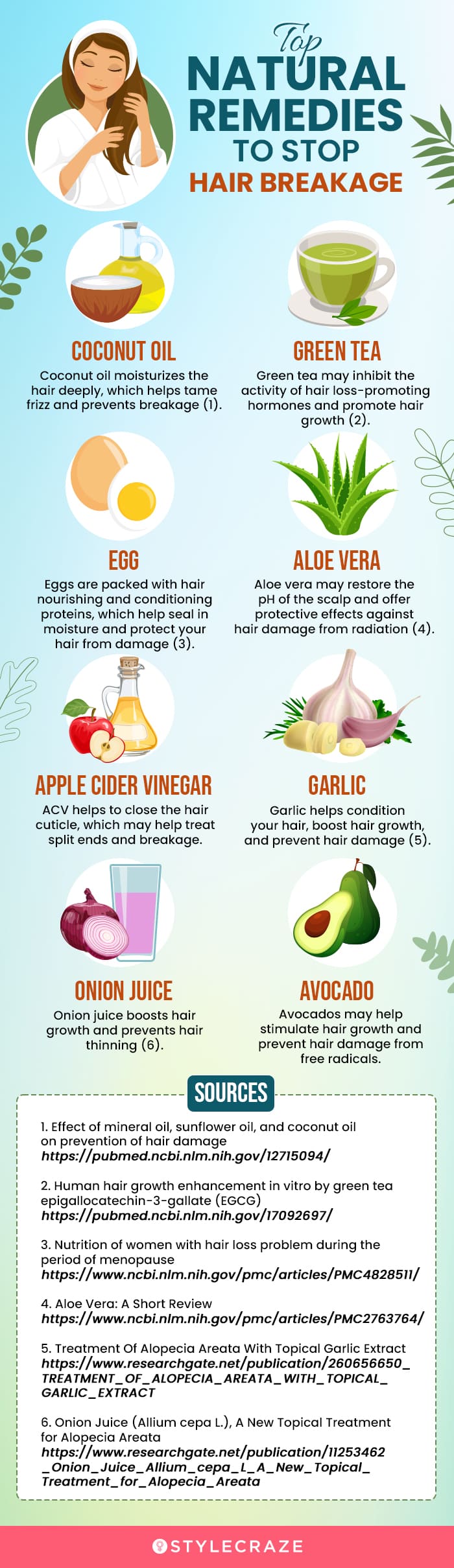
- DIY Option: A simple egg mask (rich in protein) can be beneficial. Whisk one egg with a tablespoon of olive oil and apply to damp hair for 20 minutes before rinsing thoroughly.
- Balance is Key: Always follow a protein treatment with a deeply hydrating mask to prevent stiffness.
-
Deeply Hydrating & Emollient Masks: These are your hair’s best friends for flexibility and preventing dryness-induced breakage. Use them 1-2 times a week.
- Key Ingredients: Hyaluronic acid, ceramides, shea butter, argan oil, jojoba oil, coconut oil, avocado oil, glycerin.
- DIY Options:
- Avocado & Banana Mask: Mash half an avocado and one ripe banana, mix with a tablespoon of olive oil. Apply to hair for 30 minutes. Rich in vitamins, minerals, and healthy fats.
- Coconut Oil Mask: Warm a small amount of virgin coconut oil and apply it generously to dry hair, focusing on mid-lengths and ends. Leave on for at least 30 minutes or overnight before shampooing. Coconut oil penetrates the hair shaft, reducing protein loss.
- Aloe Vera Gel: Mix fresh aloe vera gel with a carrier oil (like jojoba or almond oil) for a soothing and hydrating mask.
-
Leave-in Conditioners & Serums: These provide a protective barrier and continuous hydration throughout the day.
- How they work: They detangle, reduce friction, provide heat protection (if formulated), and seal the cuticle, preventing moisture loss and environmental damage.
- Application: Apply to damp hair after washing, focusing on mid-lengths and ends.
-
Hair Oils: Used strategically, oils can be incredibly beneficial.
- Pre-Shampoo Treatment: Apply oils like coconut, olive, or argan oil to dry hair before shampooing to protect strands from the harshness of cleansing.
- Post-Styling: A few drops of a lightweight oil (e.g., argan, jojoba, or marula oil) on dry ends can add shine, reduce frizz, and provide a protective layer against environmental stressors.
-
Scalp Serums & Tonics: Just like the skin on your face, your scalp benefits from targeted care. Look for serums with ingredients like biotin, peptides, caffeine, or natural extracts (rosemary, peppermint) that stimulate circulation and nourish follicles.
The Holistic Approach: Lifestyle & Prevention
Treatments alone won’t suffice if underlying habits contribute to breakage. Integrating mindful practices into your daily routine is paramount for long-term hair health.
-
Gentle Hair Care Practices:
- Washing: Use lukewarm water and a sulfate-free, moisturizing shampoo. Focus shampoo on the scalp and let the suds run down the lengths. Condition from mid-lengths to ends.
- Detangling: Always detangle hair gently when it’s damp (not soaking wet) and saturated with conditioner. Use a wide-tooth comb or a wet brush, starting from the ends and working your way up. Never yank or rip through knots.
- Towel Drying: Instead of rubbing vigorously, gently squeeze excess water from your hair with a microfiber towel or an old cotton t-shirt. This reduces friction and prevents cuticle damage.
-
Heat Protection is Non-Negotiable: If you use heat styling tools, always apply a high-quality heat protectant spray or cream. These products create a barrier between your hair and the heat, minimizing damage. Opt for lower heat settings whenever possible.
-
Embrace Protective Styling: Give your hair a break from daily manipulation. Styles like loose braids, buns, or twists can protect your ends from friction and environmental exposure. Use silk or satin scrunchies instead of elastic bands, which can snag and break hair.
-
Nourish from Within: Diet & Nutrition:
- Protein: Ensure adequate protein intake (lean meats, fish, eggs, legumes, nuts) as hair is primarily protein.
- Iron: Iron deficiency is a common cause of hair loss and weakening. Include iron-rich foods (spinach, lentils, red meat).
- Biotin: Found in eggs, nuts, and sweet potatoes, biotin supports keratin production.
- Omega-3 Fatty Acids: Found in fatty fish (salmon), flaxseeds, and walnuts, these support scalp health and hair shine.
- Vitamins A, C, E: Antioxidants that protect hair from damage and support healthy growth.
-
Manage Stress: Chronic stress can disrupt the hair growth cycle and lead to increased shedding and breakage. Incorporate stress-reducing activities like yoga, meditation, exercise, or spending time in nature.
-
Regular Trims: While trims don’t make hair grow faster, they remove split ends and damaged sections before they can travel further up the hair shaft, preventing more extensive breakage. Aim for a trim every 8-12 weeks.
-
Switch to Silk Pillowcases: Cotton pillowcases create friction that can lead to tangles and breakage. Silk or satin pillowcases allow hair to glide smoothly, reducing stress on the strands.
-
Consider Water Quality: If you live in an area with hard water, mineral buildup can make hair dry and brittle. A shower filter can help mitigate this issue.
Tailoring Your Treatment Plan
There’s no one-size-fits-all solution for hair breakage. The most effective approach involves understanding your hair’s specific needs and the primary causes of its damage.
- Assess your hair’s porosity: High porosity hair (often damaged, absorbs water quickly) benefits more from protein and heavier oils. Low porosity hair (resists water, takes longer to dry) needs lighter hydration and heat to help products penetrate.
- Identify the primary culprit: Is it heat damage? Chemical over-processing? Mechanical stress? Your treatment plan should prioritize addressing the main cause.
- Patch test: Always patch test new products, especially those with strong active ingredients, to ensure no adverse reactions.
- Patience and Consistency: Hair repair is a journey, not a sprint. Consistency in your treatment and care routine is crucial for seeing lasting results.
- Consult a Professional: If you’re unsure about the cause or severity of your breakage, or if at-home remedies aren’t yielding results, consult a professional hairstylist or trichologist. They can accurately diagnose the problem and recommend personalized salon treatments and home care routines.
Conclusion
Hair breakage can feel like an uphill battle, but with the right knowledge and a dedicated approach, it’s a battle you can win. By understanding the causes, leveraging the power of professional and at-home treatments, and adopting a holistic, gentle hair care routine, you can effectively stop breakage in its tracks. Embrace consistency, listen to your hair’s needs, and watch as your strands transform from fragile to fortified, revealing the strong, healthy, and beautiful hair you deserve.