California, the Golden State, is renowned for its vibrant culture, trendsetting fashion, and a booming beauty industry. For aspiring and established hair stylists, the allure of working in a state synonymous with glamour and innovation is undeniable. However, beneath the polished facade of high-end salons and celebrity clientele lies a complex financial landscape. The question of "how much does a hair stylist earn in California?" is far from simple, varying wildly based on a multitude of factors that paint a nuanced picture of income potential.
This article delves deep into the economic realities of hair stylists in California, exploring the average earnings, the critical elements that influence them, and the strategies stylists employ to maximize their income in one of the most competitive yet rewarding markets in the world.
The Baseline: What Do the Numbers Say?
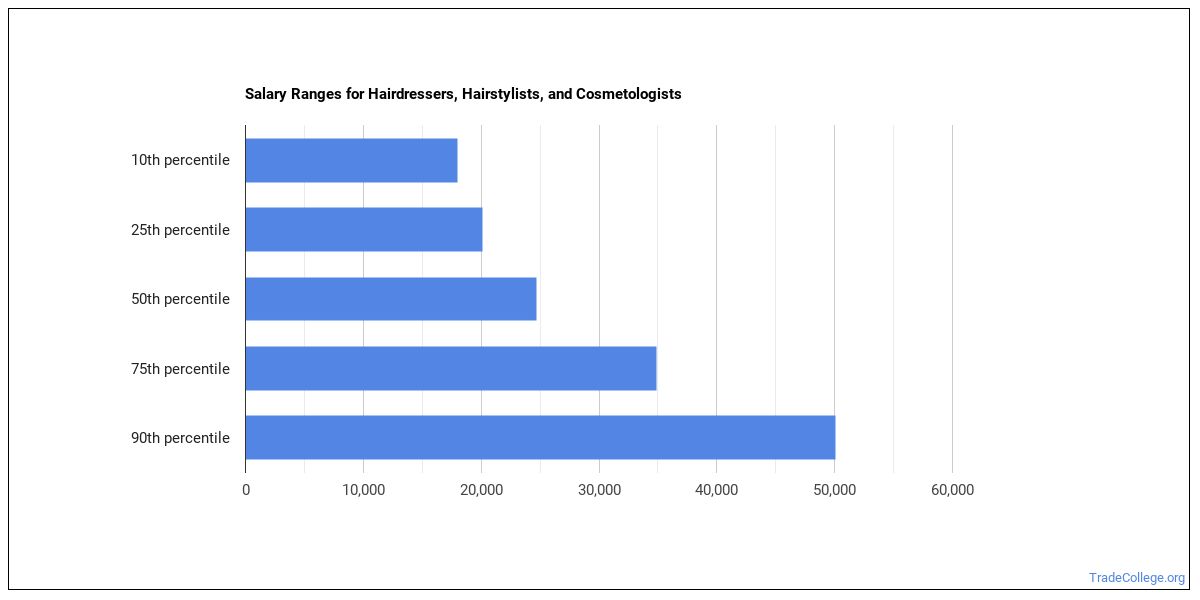
To understand the financial prospects, it’s essential to look at the data. According to the U.S. Bureau of Labor Statistics (BLS), the median annual wage for hairdressers, hairstylists, and cosmetologists nationwide was approximately $33,400 as of May 2022. However, California often presents a different scenario due to its higher cost of living and robust economy.
In California, the median annual wage for hair stylists tends to be higher than the national average, reflecting the state’s economic conditions and demand for skilled professionals. While specific figures fluctuate annually, data from sources like the BLS, Indeed, Glassdoor, and ZipRecruiter generally indicate that the median salary for a hair stylist in California hovers around $38,000 to $45,000 per year.
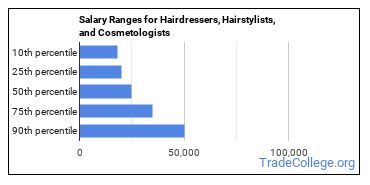
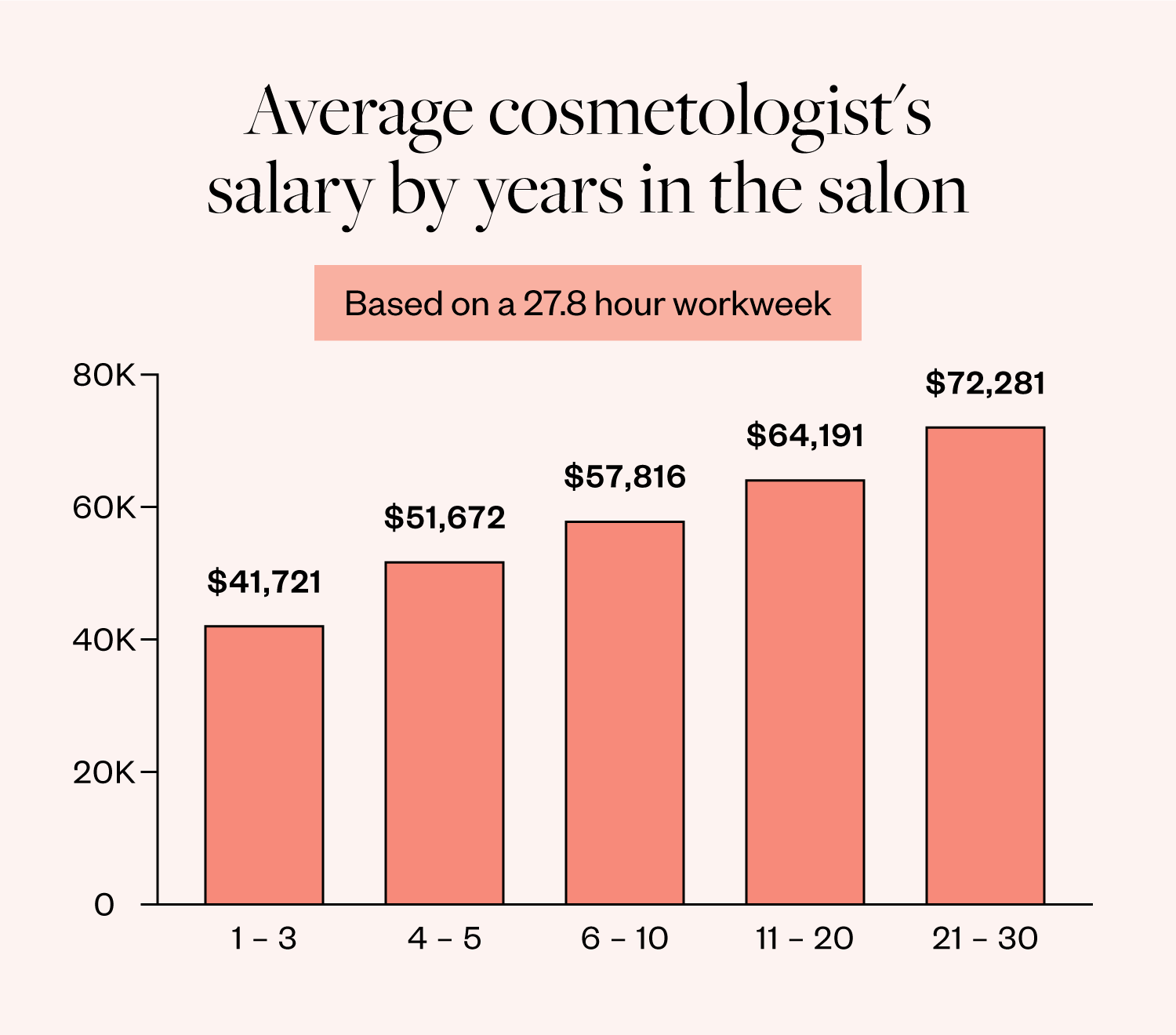
It’s crucial to understand what "median" means: half of all stylists earn more than this figure, and half earn less. The range is incredibly broad. Entry-level stylists might start in the $25,000 to $30,000 range, especially in less affluent areas or commission-only roles without an established clientele. On the other end of the spectrum, highly experienced, in-demand stylists working in prestigious salons in major metropolitan areas can command annual incomes well into $70,000, $80,000, or even six figures, particularly when tips and product sales are factored in.
Key Factors Influencing Hair Stylist Salaries in California
The wide disparity in earnings is not arbitrary. Several critical factors converge to determine a hair stylist’s take-home pay:
-
Experience Level:
- Entry-Level (0-2 years): New stylists often start with lower base pay or a higher commission split for the salon as they build their skills and clientele. Income largely depends on the salon’s support in attracting new clients.
- Mid-Career (3-7 years): With a growing client base and refined skills, stylists can command better commission rates, attract more referrals, and increase their service prices.
- Senior/Master Stylist (8+ years): These professionals typically have a loyal, extensive clientele, specialized skills, and a reputation that allows them to charge premium prices. They are often the highest earners.
-
Geographic Location Within California:
California’s vastness means significant regional differences in the cost of living and salon pricing.- High-Cost Metropolitan Areas: Cities like Los Angeles (Beverly Hills, West Hollywood), San Francisco, San Jose, Orange County, and San Diego offer the highest earning potential due to higher service prices and a wealthier client base. However, the cost of living in these areas is also astronomically high.
- Mid-Tier Cities: Sacramento, Fresno, Bakersfield, and parts of the Inland Empire offer a more balanced cost of living with decent earning opportunities, though service prices might be slightly lower than in the major metros.
- Rural Areas: Smaller towns and rural communities generally have lower service prices and a smaller client pool, leading to lower average incomes, but also a significantly reduced cost of living.
-
Type of Salon and Employment Model:
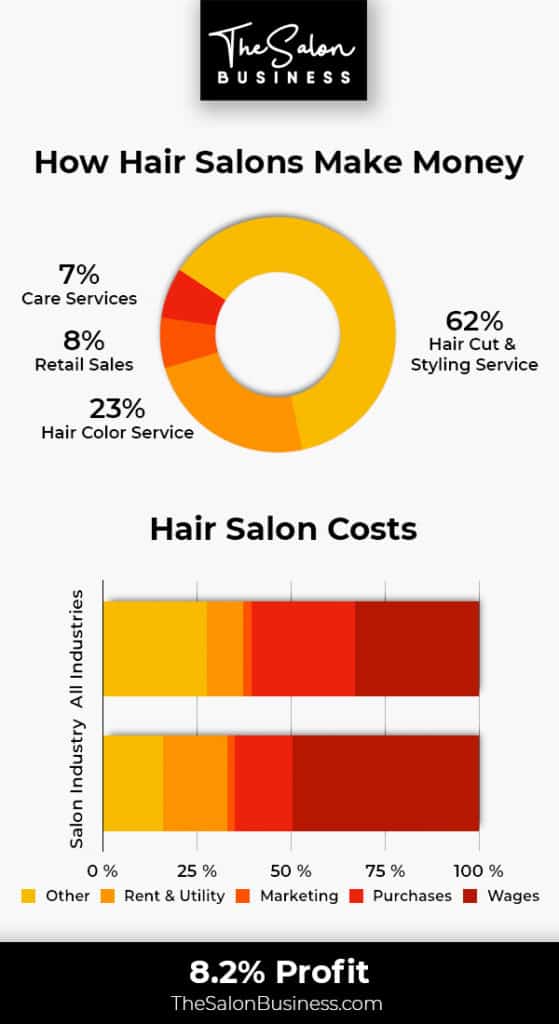
This is perhaps the most significant determinant of a stylist’s income structure.- Commission-Based Salons: Many salons operate on a commission model, where stylists earn a percentage of the service price. This typically ranges from 40% to 60%, with higher percentages often reserved for more experienced stylists or those who bring in more revenue. The salon covers product costs, utilities, marketing, and often provides a steady stream of walk-in clients. This model offers stability but caps earning potential.
- Hourly Wage + Commission: Some salons offer a low hourly wage (often minimum wage) plus a smaller commission on services or product sales. This provides a safety net, especially for newer stylists.
- Booth Rental (Independent Contractor): A popular model in California, stylists rent a chair or a small private suite from a salon owner for a fixed weekly or monthly fee. In this model, the stylist is essentially running their own small business. They keep 100% of their service revenue (and tips) but are responsible for all their expenses: rent, product costs, licensing, insurance, marketing, and taxes. While the potential for higher earnings is significant, it comes with greater financial risk and administrative burden.
- Salon Owner/Manager: Stylists who own their salon or manage a large team have the highest earning potential, but also the most responsibility. Their income is derived from salon profits, which can be substantial but also subject to market fluctuations and operational costs.
- High-End vs. Budget Salons: High-end salons in affluent areas charge premium prices for services, leading to higher commission payouts per client. Budget-friendly or chain salons might have higher client volume but lower per-service revenue.
-
Clientele and Specialization:
- Building a Client Base: A loyal, consistent client base is the backbone of a stylist’s income. Repeat business and referrals are invaluable.
- Specialized Services: Stylists who specialize in high-demand, high-value services like advanced color correction, hair extensions, bridal styling, ethnic hair care, or intricate cutting techniques can charge significantly more. Becoming an expert in a niche market can set a stylist apart and attract premium clients.
-
Tips:
Tips are a substantial, often underestimated, component of a hair stylist’s income. While not included in reported salary figures, they can add anywhere from 15% to 30% (or more) to a stylist’s gross earnings. Exceptional service and a pleasant demeanor directly translate to higher tips. -
Product Sales Commission:
Many salons incentivize stylists to sell retail products (shampoos, conditioners, styling products). Stylists typically earn a commission (e.g., 10-20%) on these sales, which can add a few hundred to a few thousand dollars annually to their income. -
Education and Continuous Learning:
Staying current with trends, mastering new techniques, and attending advanced workshops or certifications can significantly boost a stylist’s value and earning potential. Clients are often willing to pay more for stylists with specialized training. -
Marketing and Personal Branding:
In the age of social media, a strong online presence (Instagram, TikTok, professional website) showcasing a stylist’s work can attract new clients and build a personal brand, directly impacting income.
Beyond the Numbers: The True Income Picture
When considering a hair stylist’s income, it’s crucial to look beyond the gross figures and understand the net take-home pay, especially for independent contractors.
- For Booth Renters: While they keep 100% of their service revenue, they must subtract booth rent, product costs, business insurance, self-employment taxes (which are higher than employee taxes), marketing expenses, and often the cost of continuing education. These overheads can significantly reduce their net income compared to an employee on commission.
- For Employees: While their gross pay might seem lower, the salon typically covers many of the operational costs, and they benefit from employer-paid taxes (FICA contributions), and sometimes even health benefits or paid time off, which adds to their overall compensation package.
The physical demands of the job – long hours on their feet, repetitive motions, exposure to chemicals – also factor into the overall career sustainability and potential for long-term earnings.
Maximizing Earnings: Strategies for Success in California
For stylists looking to thrive in California’s competitive market, several strategies can significantly boost their income:
- Master Your Craft and Specialize: Continuously hone your skills. Identify a niche (e.g., balayage, vivid colors, precision cuts, natural hair, extensions) and become an expert. Specialization allows you to charge premium prices and attract a specific, often more affluent, clientele.
- Build and Nurture Your Clientele: Focus on exceptional customer service to ensure client retention and encourage referrals. A loyal client base is the most stable source of income.
- Strategic Pricing: Understand your value and the market. Don’t underprice your services. As your skills and demand grow, periodically raise your prices.
- Leverage Social Media: Use platforms like Instagram and TikTok as a visual portfolio to showcase your best work, attract new clients, and build your personal brand. High-quality photos and videos are essential.
- Upsell and Cross-Sell: Educate clients on the best products for their hair and recommend add-on services (treatments, glosses) that enhance their look and your income.
- Network and Collaborate: Connect with other beauty professionals, photographers, and local businesses. Referrals can come from unexpected places.
- Consider Booth Rental (Carefully): Once you have a strong, consistent clientele, transitioning to booth rental can significantly increase your take-home pay, but be prepared for the responsibilities of running a small business.
- Financial Literacy: Understand taxes, budgeting, and saving. For independent contractors, setting aside money for taxes and business expenses is crucial.
- Relocate Strategically: If your current location isn’t yielding the desired income, consider moving to a more affluent area within California where demand for high-end services is greater.
Conclusion
The career of a hair stylist in California is one of immense potential, creativity, and personal connection. While the average salary figures provide a baseline, they tell only part of the story. A stylist’s income is a dynamic reflection of their experience, location, business acumen, and dedication to their craft.
For those with passion, a commitment to continuous learning, and the drive to build a strong personal brand, California offers fertile ground for a highly rewarding and financially prosperous career in the beauty industry. It’s a journey that requires more than just technical skill; it demands entrepreneurship, resilience, and a deep understanding of the diverse factors that shape earning potential in the Golden State.