In an increasingly digital world, our image is no longer solely reflected in the mirror. From video calls and online presentations to social media content and professional headshots, the camera has become an omnipresent lens through which we are seen. And while a hairstyle might look impeccable in person, the camera often tells a different story, flattening dimension, exagger magnifying imperfections, and altering perceptions. The quest for the perfect camera-ready hairstyle is not about vanity, but about strategic self-presentation, ensuring your hair enhances your features and conveys the right message when the lens is focused on you.
This comprehensive guide will delve into the nuances of camera optics and how they interact with your hair, offering insights and actionable strategies to help you discover the hairstyle that truly suits you on screen.
The Camera’s Unique Gaze: Why It’s Different from the Mirror
Before we dive into specific styles, it’s crucial to understand why the camera presents a unique challenge:
- 2D Flattening: Unlike the three-dimensional world we inhabit, a camera captures an image in two dimensions. This can make hair appear flatter, less voluminous, and less dynamic than it is in real life. Textures and layers can get lost.
- Lighting Sensitivity: Cameras are highly susceptible to lighting. Harsh overhead lights can cast unflattering shadows, highlight scalp shine, or make hair look dull. Backlighting can create a halo effect but also obscure facial features. Soft, frontal lighting is generally most forgiving.
- Magnification of Imperfections: A high-resolution camera can pick up on every flyaway, every stray strand, and every hint of frizz that might be imperceptible to the naked eye.
- Static vs. Dynamic: While you might move your head and hair naturally in person, a still photograph or a static video frame freezes your look, making any awkwardness more apparent. Even in video, excessive movement can be distracting.
- Color Rendition: How your hair color appears on camera can vary greatly depending on white balance, lighting, and the camera’s sensor. Certain tones might look warmer, cooler, or duller than they are.
Understanding these factors is the first step towards mastering your camera-ready look.
Part 1: The Foundations – Understanding Your Canvas for the Lens
The journey to your ideal camera hairstyle begins with a deep understanding of your own unique features, interpreted through the camera’s eye.
1. Your Face Shape: The Blueprint for Framing
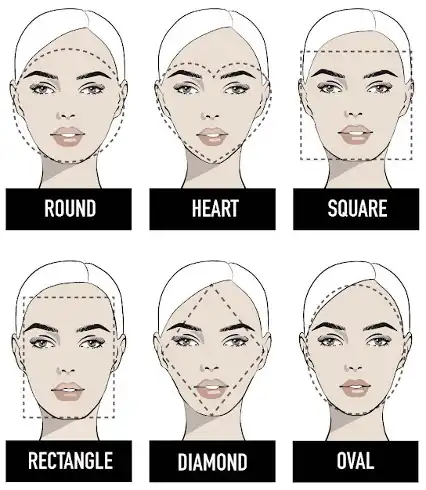
While general face shape guidelines apply, consider how each shape translates to a 2D image:
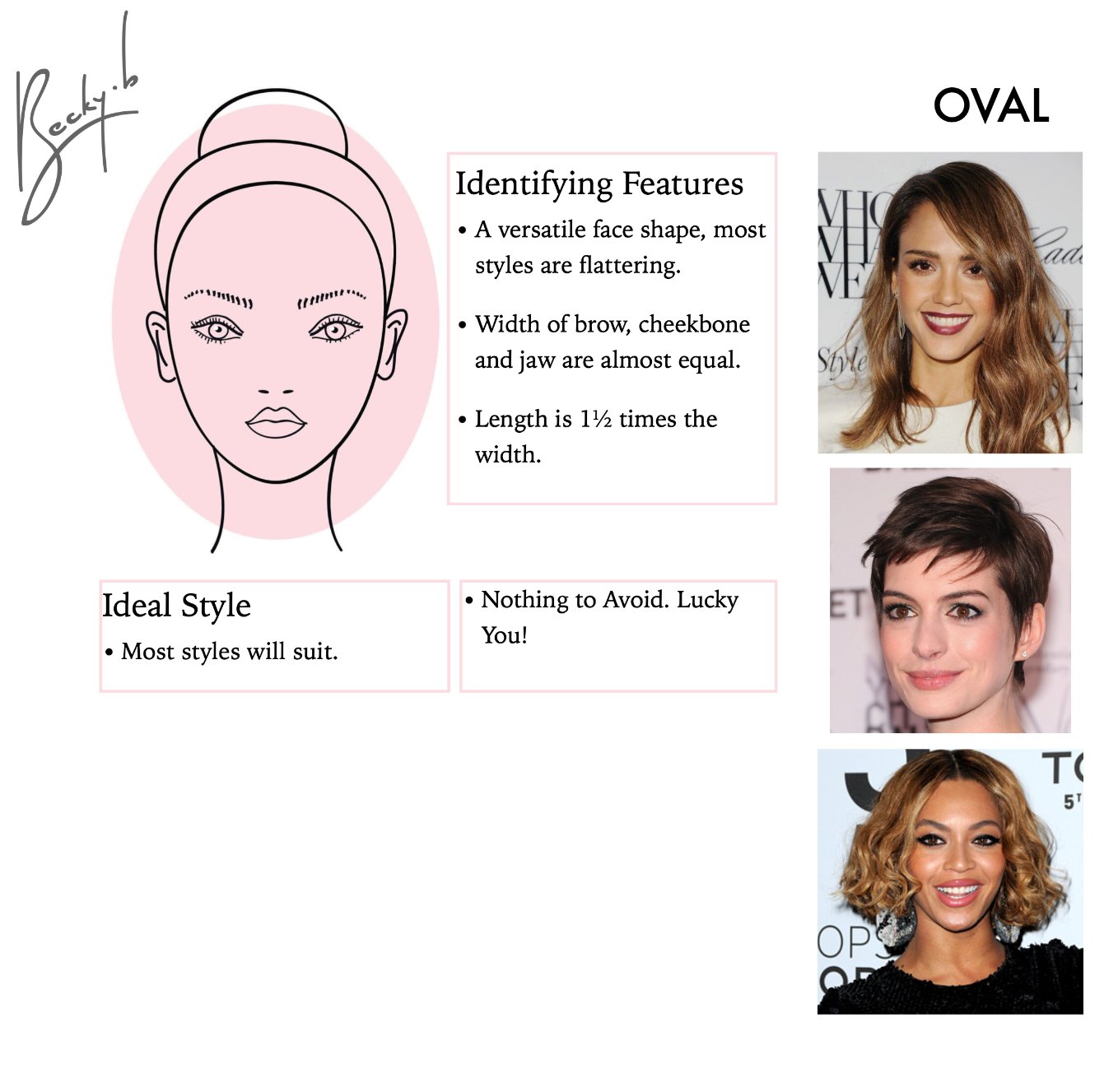
- Oval: Considered the most versatile, oval faces can pull off almost any style. On camera, aim to maintain balance. Avoid styles that add too much height or width, which could distort the natural symmetry. Soft waves or a gentle side part often look elegant.
- Round: The goal on camera is to add length and definition. Avoid blunt cuts, heavy fringes, or styles that add width at the cheeks. Opt for styles with volume at the crown, long layers, or a deep side part to create diagonal lines that elongate the face. Keeping some hair around the face, but not covering it, can also slim.
- Square: Characterized by a strong jawline, square faces benefit from softness and roundness on camera. Avoid blunt bobs or straight-across fringes that emphasize angularity. Instead, opt for layered styles, soft waves, side-swept bangs, or updos with face-framing tendrils to soften the jawline and forehead.
- Heart: Wider at the forehead and narrower at the chin. On camera, the aim is to balance the wider top with the narrower bottom. Styles that add volume around the jawline (e.g., a long bob, waves that hit below the chin) work well. Side-swept bangs or a soft fringe can minimize forehead width. Avoid excessive height at the crown.
- Long/Oblong: These faces need styles that add width and minimize vertical length on camera. Blunt cuts, waves that add horizontal volume, or a full fringe (bangs) can effectively shorten the appearance of the face. Avoid straight, long hair with no layers, or excessive height at the crown.
- Diamond: Narrow forehead and jawline, widest at the cheekbones. On camera, the goal is to soften the cheekbones and add width to the forehead and jaw. Styles that tuck behind the ears or add volume at the crown should be avoided. Instead, opt for side-swept bangs, chin-length bobs, or styles that create fullness around the jawline and forehead.
2. Your Hair Type & Texture: Behavior Under Pressure
Your hair’s natural texture dictates how it will behave on camera, especially under different lighting conditions.
- Fine Hair: Prone to looking flat and lifeless on camera. Strategic layering, root-lifting products, and gentle waves can add much-needed volume and dimension. Avoid overly sleek styles that can make it disappear.
- Thick Hair: Can appear heavy or overwhelming on camera if not properly styled. Layers are crucial to remove bulk and add movement. Ensure it doesn’t overshadow your face.
- Straight Hair: Can look sleek and polished, but also flat and one-dimensional on camera. Adding subtle bends, waves, or strategic volume at the roots is key. A slight off-center part can add interest.
- Wavy Hair: Often looks fantastic on camera, offering natural texture and movement. Ensure waves are defined and frizz is controlled to avoid a messy appearance.
- Curly/Coily Hair: Can be incredibly dynamic and expressive on camera. The challenge is often managing frizz and ensuring definition. Hydration and curl-defining products are essential to prevent a "halo" of frizz or undefined curls that look messy.
- Frizzy Hair: A camera’s high resolution can highlight every single frizzy strand. Anti-frizz serums, leave-in conditioners, and humidity-blocking sprays are your best friends.
3. Your Hairline & Key Features: What to Emphasize or Conceal
- High Forehead: A soft, wispy fringe or side-swept bangs can effectively reduce the appearance of a high forehead on camera.
- Receding Hairline: Strategic parting (e.g., a deep side part), subtle volume at the front, or a soft fringe can help conceal a receding hairline.
- Ears: If you’re self-conscious about your ears, ensure your style allows for some hair to fall around them, or choose an updo that doesn’t pull hair too tightly back.
- Neckline: For updos, consider your neckline. A high neck might pair well with a top knot, while a V-neck could be complemented by a low bun or loose waves.
Part 2: Strategic Styling for the Lens – Making Your Hair Camera-Ready
Once you understand your canvas, it’s time to apply camera-specific styling techniques.
1. Volume and Dimension: The Anti-Flatness Strategy
The camera’s 2D nature is the biggest enemy of volume.
- Root Lift is Key: Focus on lifting the hair at the roots, especially around the crown and sides. Volumizing mousses, sprays, or dry shampoo can create this lift.
- Strategic Layers: Layers add movement and prevent hair from looking like a solid block. On camera, layers create depth and interest.
- Avoid Over-Sleekness: While a super-straight, flat ironed look might be chic in person, it can appear lifeless on camera. Aim for some natural bend or a subtle wave.
- Texturizing Sprays: These can add grit and fullness, especially to fine hair, making it appear thicker and more dynamic.
2. Parting and Framing: Guiding the Eye
Your hair part plays a significant role in how your face is framed on camera.
- Side Part: Generally more flattering than a middle part for most face shapes on camera. It creates a diagonal line that can soften features, add volume, and draw the eye. A deep side part can be particularly effective for round or square faces.
- Middle Part: Can look chic and symmetrical, but on camera, it can sometimes emphasize the width of a face or make it appear longer. If you opt for a middle part, ensure you have sufficient volume at the roots and some face-framing layers to soften the look.
- No Part/Swept Back: Can look very clean and professional, especially for updos. Ensure there’s still some softness around the face if you choose this.
3. Bangs/Fringe: Friend or Foe?
Bangs can be a powerful tool for framing the face, but they require careful consideration for camera.
- Pros: Can conceal a high forehead, soften angular features, and add a youthful touch. Wispy or side-swept bangs often look best on camera as they are less prone to casting shadows or looking heavy.
- Cons: Full, blunt bangs can cast shadows over your eyes, making them appear smaller or darker. They can also look heavy or unruly if not perfectly styled. Frizz or separation in bangs is highly noticeable on camera. Ensure they are well-trimmed and lie smoothly.
4. Updos vs. Down: Choosing Your Presentation
- Hair Down: Conveys approachability, softness, and often a more casual vibe. Ensure it’s not overly voluminous or distracting. Long hair should have layers to prevent it from looking like a curtain.
- Updos: Communicate professionalism, sophistication, and focus. A sleek bun, a polished ponytail, or a sophisticated chignon can be excellent choices. Ensure no stray hairs are distracting. Consider a few soft face-framing tendrils to soften the look.
- Half-Up: A versatile option that combines the best of both worlds – keeping hair out of the face while retaining softness. It can add height at the crown and highlight features.
5. Color and Shine: The Camera’s Perception
- Color Depth: Multi-dimensional hair color (highlights and lowlights) tends to look more vibrant and interesting on camera than a single, flat color.
- Avoiding Oiliness: Hair that looks slightly oily in person will look very greasy on camera due to lighting reflection. Ensure hair is clean or use dry shampoo to absorb excess oil.
- Healthy Shine: A healthy, natural shine is desirable. Avoid excessive use of high-shine sprays, which can make hair look wet or greasy.
Part 3: Practical Camera-Ready Tips & Tricks
Beyond the style itself, how you prepare and present your hair makes a huge difference.
- The Right Lighting is Paramount: This is arguably the most crucial factor.
- Frontal, Soft Light: Position yourself facing a window or a soft light source (like a ring light or softbox). This minimizes shadows and illuminates your face and hair evenly.
- Avoid Overhead Lighting: This creates harsh shadows under your eyes and nose, and can make the top of your head look flat or highlight scalp shine.
- Avoid Backlighting: While it can create a nice halo effect, it often leaves your face and hair in shadow, making you look silhouetted.
- Product Selection Matters:
- Volumizing Mousse/Spray: Essential for fine or flat hair. Apply at the roots before blow-drying.
- Anti-Frizz Serum/Spray: Non-negotiable for anyone prone to frizz, especially in humid conditions. Use sparingly to avoid weighing hair down.
- Light Hold Hairspray: To tame flyaways and set your style without making it stiff or crunchy.
- Dry Shampoo: A lifesaver for adding instant volume and absorbing oil, especially if your hair isn’t freshly washed.
- Pre-Camera Prep:
- Clean Hair (Usually): Freshly washed and blow-dried hair generally looks best, offering maximum volume and shine. However, some hair types hold style better on day-old hair. Experiment!
- Thorough Drying: Ensure hair is completely dry. Damp hair will look flat and unstyled on camera.
- Touch-Up Tools: Keep a small brush, comb, and a travel-size hairspray or anti-frizz serum nearby for last-minute adjustments.
- The Test Shot/Video: This is non-negotiable. Before your important call or photo session, take a quick picture or record a short video using the exact camera, lighting, and background you’ll be using. This allows you to see how your hair truly appears and make any necessary adjustments.
- Posture and Angles:
- Slight Chin Down: This elongates the neck and reduces the appearance of a double chin.
- Slight Head Tilt: A subtle tilt can add interest and softness to your expression.
- Don’t Lean Too Close: Give the camera some space to capture your full head and shoulders.
- Authenticity and Comfort: The best hairstyle is one you feel comfortable and confident in. If you’re constantly fussing with your hair, it will be noticeable on camera. Choose a style that feels natural to you and suits the context.
Part 4: Beyond the Look – Purpose and Personal Brand
Finally, consider the message you want to convey with your camera-ready hairstyle.
- Professionalism: For job interviews, client meetings, or corporate presentations, opt for polished, neat styles that keep hair out of your face. Think sleek ponytails, sophisticated buns, or well-groomed waves.
- Creativity/Artistry: If your field allows, you can express more personality. Textured waves, unique braids, or vibrant colors can convey creativity.
- Approachability: Softer styles, like loose waves or a half-updo with face-framing pieces, can make you appear more approachable and friendly.
- Authority: A strong, well-defined style, perhaps with a clear part and minimal flyaways, can project confidence and authority.
Conclusion: Your Camera-Ready Confidence
Finding the hairstyle that suits you on camera is a blend of self-awareness, strategic styling, and technical understanding of optics. It’s not about transforming into someone you’re not, but about optimizing your natural beauty for the digital lens. By understanding your face shape, hair type, and the unique demands of camera lighting, you can select and style your hair to enhance your features, project the desired image, and ultimately, boost your confidence when the camera is on. Experiment, take those test shots, and embrace the power of a perfectly framed, camera-ready look.