
The quest for the perfect hairstyle is a journey many embark on, often fraught with trial and error, fleeting trends, and the occasional regrettable chop. We’ve all flipped through magazines, scrolled through social media, and admired celebrity looks, only to find that what looks stunning on one person can fall flat on another. The truth is, there’s no single "best" hairstyle; there’s only the one that best suits you.
Finding that elusive ideal cut and colour isn’t about chasing the latest fad, but rather about understanding the unique canvas that is your head of hair and the individual features of your face. It’s a blend of art and science, practicality and personality. This comprehensive guide will walk you through a detailed self-assessment, a "What Hairstyle Suits Me Test," designed to empower you with the knowledge to make informed decisions and finally unlock your hair’s full potential.
The Foundation: Understanding Your Face Shape
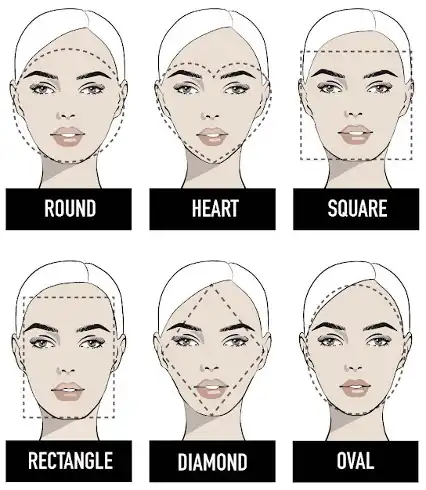
The cornerstone of any flattering hairstyle lies in how it complements your face shape. Different cuts can soften sharp angles, add definition, or create balance. To begin, pull your hair back from your face and look into a mirror. Using a washable marker or lipstick, trace the outline of your face. Alternatively, take a photo and trace it on your phone.
Here are the primary face shapes and the general principles for flattering them:
-
Oval: Considered the "ideal" face shape due to its balanced proportions. The forehead is slightly wider than the chin, and the jawline is gently rounded.
- Principles: Almost any style works! You can experiment with various lengths, layers, and bangs. The goal is to maintain the balanced proportions. Avoid styles that add too much height on top or too much width on the sides, which can make your face appear longer or wider than it is.
-
Round: Characterised by a soft, circular outline with the width and length being roughly equal. The jawline is rounded, and the cheekbones are the widest part of the face.
- Principles: The aim is to add length and angles to create the illusion of a more oval shape. Styles with volume at the crown, long layers, and side-swept bangs are excellent. Avoid blunt cuts, chin-length bobs, and excessive width at the sides, which can accentuate roundness.
-
Square: Features a strong, angular jawline, a broad forehead, and equal width and length.
- Principles: Soften the strong angles and add movement. Styles with layers, waves, curls, and side-swept bangs work beautifully. Longer lengths are generally more flattering than very short, blunt cuts. Avoid blunt bobs that end at the jawline, which can highlight the strong jaw.
-
Heart (or Inverted Triangle): Wide forehead and cheekbones that taper down to a narrow, often pointed chin.
- Principles: Balance the wider forehead with the narrower chin. Styles that add width around the jawline and chin, such as bobs, lobs (long bobs), and soft waves, are ideal. Bangs (especially wispy or side-swept) can help minimise the forehead width. Avoid styles that add too much volume at the crown or are too short, as they can exaggerate the top-heavy appearance.
-
Long (or Oblong): Longer than it is wide, with a narrow chin and forehead, and often a straight cheek line.
- Principles: Create the illusion of width and shorten the face. Styles with volume at the sides, waves, curls, and blunt bangs are excellent. Chin-length bobs or lobs can also work well. Avoid very long, straight hair with no layers, or styles that add excessive height at the crown, as these can further elongate the face.
-
Diamond: Narrow forehead and jawline, with wide, prominent cheekbones.
- Principles: Soften the cheekbones and add width to the forehead and jawline. Styles that are wider at the forehead (e.g., with bangs) or at the chin (e.g., bobs, lobs) work well. Long layers and side-swept styles can also be flattering. Avoid styles that are too sleek or pull the hair back tightly, which can accentuate the cheekbones.
-
Triangle (or Pear): Narrow forehead that widens at the cheekbones and jawline.
- Principles: Add volume and width to the upper part of the face to balance the wider jawline. Styles with layers, volume at the crown, and bangs can be very flattering. Avoid styles that add more width at the jawline.
The Blueprint: Understanding Your Hair Type and Texture
Your hair’s natural characteristics are just as crucial as your face shape. Fighting against your hair’s inherent texture and density can lead to endless styling struggles and disappointment.
-
Hair Density (How much hair you have):
- Fine: Individual strands are thin. You might have a lot of fine hair, or very little.
- Considerations: Can look limp, needs volume. Blunt cuts, bobs, and strategic layers can add body. Avoid excessive layering or very long lengths that can weigh it down.
- Medium: Average thickness.
- Considerations: Most versatile. Can hold a variety of styles.
- Thick: Individual strands are thick, and you have a lot of them.
- Considerations: Can be heavy, prone to frizz. Needs internal layering to remove bulk and create movement. Longer styles or graduated bobs often work well.
- Fine: Individual strands are thin. You might have a lot of fine hair, or very little.
-
Hair Texture (The shape of your strands):
- Straight: Lacks natural curl or wave.
- Considerations: Reflects light well, can look sleek. Needs careful cutting for movement. Can be prone to oiliness.
- Wavy: Forms an "S" shape.
- Considerations: Versatile. Can be styled straight or enhanced for more wave. Layers can help define waves.
- Curly: Forms distinct spirals or ringlets.
- Considerations: Prone to dryness and frizz. Needs hydration. Cuts should enhance curl pattern, often with layers. Avoid excessive brushing when dry.
- Coily: Tightly packed, often small, zig-zag patterns.
- Considerations: Most fragile, prone to shrinkage and dryness. Needs intense moisture. Styles often embrace natural volume and shape.
- Straight: Lacks natural curl or wave.
-
Hair Porosity (How well your hair absorbs and retains moisture):
- Low Porosity: Cuticles are tightly bound. Hair struggles to absorb moisture but retains it well once inside.
- Considerations: Products can sit on top. Needs lightweight, water-based products.
- Medium Porosity: Balanced. Absorbs and retains moisture well.
- Considerations: Most hair types fall here. Responds well to most products.
- High Porosity: Cuticles are raised. Absorbs moisture quickly but loses it just as fast.
- Considerations: Prone to frizz and dryness. Needs heavy, sealing products (butters, oils) and protein treatments.
- Low Porosity: Cuticles are tightly bound. Hair struggles to absorb moisture but retains it well once inside.
-
Scalp Health:
- Oily: Needs styles that don’t constantly touch the face, or cuts that allow for frequent washing without damage.
- Dry/Flaky: Needs gentle cleansing, styles that minimise irritation, and cuts that allow for deep conditioning.
- Balanced: Most versatile.
The Practicality Check: Your Lifestyle and Livelihood
Even the most flattering cut will be a source of frustration if it doesn’t fit into your daily life.
-
Time Commitment:
- How much time are you willing to spend styling your hair each day? (5 minutes? 30 minutes? An hour?)
- Are you willing to use heat tools daily, or do you prefer wash-and-go styles?
- How often are you willing to get trims (every 4-6 weeks for short hair, 8-12 for longer)?
-
Profession/Environment:
- Corporate/Professional: Do you need a polished, neat look? Updos or sleek styles might be required.
- Creative/Artistic: More freedom for avant-garde or expressive styles.
- Active/Outdoorsy: Do you need hair that can be easily tied back, withstand sweat, or stay out of your face?
- Parent/Busy Individual: Low-maintenance, practical styles are often a priority.
-
Maintenance Level:
- Are you comfortable with using a range of styling products (mousse, gel, serum, hairspray)?
- Are you willing to invest in specific hair care routines (e.g., for curly hair, colour-treated hair)?
- Do you travel frequently, and does your hair need to be adaptable?
The Inner Reflection: Personality and Personal Style
Your hair is an extension of who you are. It should reflect your inner self and complement your overall aesthetic.
-
Your Vibe/Aesthetic:
- Classic/Elegant: Timeless, polished, sophisticated styles.
- Edgy/Rebellious: Asymmetrical cuts, bold colours, unconventional styles.
- Bohemian/Natural: Loose waves, braids, earthy tones, low-maintenance.
- Minimalist/Understated: Clean lines, simple, effortless styles.
- Bold/Dramatic: High-volume, vibrant colours, statement cuts.
- Playful/Youthful: Bouncy layers, fun colours, bangs.
-
Comfort with Change:
- Are you someone who likes to frequently change their look, or do you prefer a signature style for years?
- Are you open to drastic changes (e.g., cutting off significant length, trying a bold colour)?
-
Confidence Level:
- Do you want a style that helps you blend in, or one that makes you stand out?
- How comfortable are you with drawing attention to your hair?
The Details: Colour, Condition, and Features
Beyond the cut, hair colour and condition play a vital role, as do subtle facial features.
-
Skin Tone and Eye Colour (for Hair Colour considerations):
- Warm Tones: Golden, peachy, or yellow undertones. Often suit warm hair colours like golden blondes, rich browns, copper reds.
- Cool Tones: Pink, blue, or red undertones. Often suit cool hair colours like ash blondes, cool browns, true reds, black.
- Neutral Tones: A mix of both. Can pull off a wider range of colours.
- Your eye colour can also be a guide; warm eyes (hazel, brown) often suit warm hair, while cool eyes (blue, grey) suit cool hair.
-
Hair Condition:
- Damaged/Brittle: Needs styles that minimise heat and chemical processing. Shorter, healthier cuts might be necessary to remove damage.
- Healthy/Strong: Can handle more styling, heat, and chemical treatments.
-
Forehead Size:
- High Forehead: Bangs (fringe) can be incredibly flattering.
- Small Forehead: Avoid heavy bangs that can overwhelm the face. Volume at the crown can help.
-
Nose Shape:
- Prominent Nose: Layers that frame the face, or side-swept styles, can draw attention away. Avoid super blunt, straight-across bangs.
-
Neck Length:
- Long Neck: Bobs or lobs can highlight a graceful neck.
- Short Neck: Longer styles or updos that lift hair off the neck can create an illusion of length.
Putting It All Together: Synthesising Your "Test" Results
Now that you’ve systematically assessed each category, it’s time to synthesise the information.
- Identify Key Themes: Look for recurring preferences or strong indicators across the sections. For example, if you have a round face, fine hair, and a desire for low maintenance, you’ll start to narrow down options.
- Eliminate Unsuitable Options: Based on your face shape, hair type, and lifestyle, cross off styles that simply won’t work or will be a constant battle. (e.g., a blunt bob on a square face, very long hair on fine, damaged hair, or a high-maintenance style for someone with no time).
- Pinpoint Complementary Features: Note what aspects of your face shape and hair type are best enhanced or balanced by certain stylistic choices (e.g., adding volume here, softening angles there).
- Gather Visual Inspiration: With your newfound knowledge, start looking at images with a critical eye. Instead of just seeing a pretty picture, analyse why that style might or might not work for you. Use Pinterest, Instagram, and fashion magazines. Look for people with similar face shapes and hair types.
- Consult a Professional: Armed with your self-assessment, schedule a consultation with a reputable hairstylist. A good stylist is an expert in face shapes, hair textures, and current trends. Share your findings, your lifestyle, and your preferences. They can offer professional insights, suggest modifications, and help you bridge the gap between your ideal vision and practical reality. They can also advise on hair health and colour.
- Consider Virtual Try-On Apps: While not perfect, these apps can give you a rough idea of how different lengths and styles might look on your face.
The Confidence Factor: Your Best Accessory
Ultimately, the "perfect" hairstyle is the one that makes you feel confident, comfortable, and authentically you. Trends come and go, but understanding your unique features and preferences provides a timeless framework for making informed choices.
Embrace the journey of self-discovery. Be open to experimentation, but always ground your decisions in the knowledge you’ve gained from this comprehensive assessment. With the right cut, colour, and care, your hair can become your most powerful accessory, reflecting your inner radiance to the world. Step out with confidence, knowing you’ve chosen a style that truly suits you.


