In the rich tapestry of human diversity, hair stands as a profound expression of identity, heritage, and personal style. For millions around the globe, this expression takes the form of magnificent curls and coils, categorized within the hair typing system as Type 3 and Type 4. Far from being merely a classification, understanding these hair types is the first step towards unlocking their full potential, addressing their unique needs, and celebrating their inherent beauty.
This comprehensive guide delves deep into the world of Type 3 and Type 4 hair, exploring their distinct characteristics, common challenges, and the tailored care regimens that allow them to thrive.
The Hair Typing System: A Brief Overview
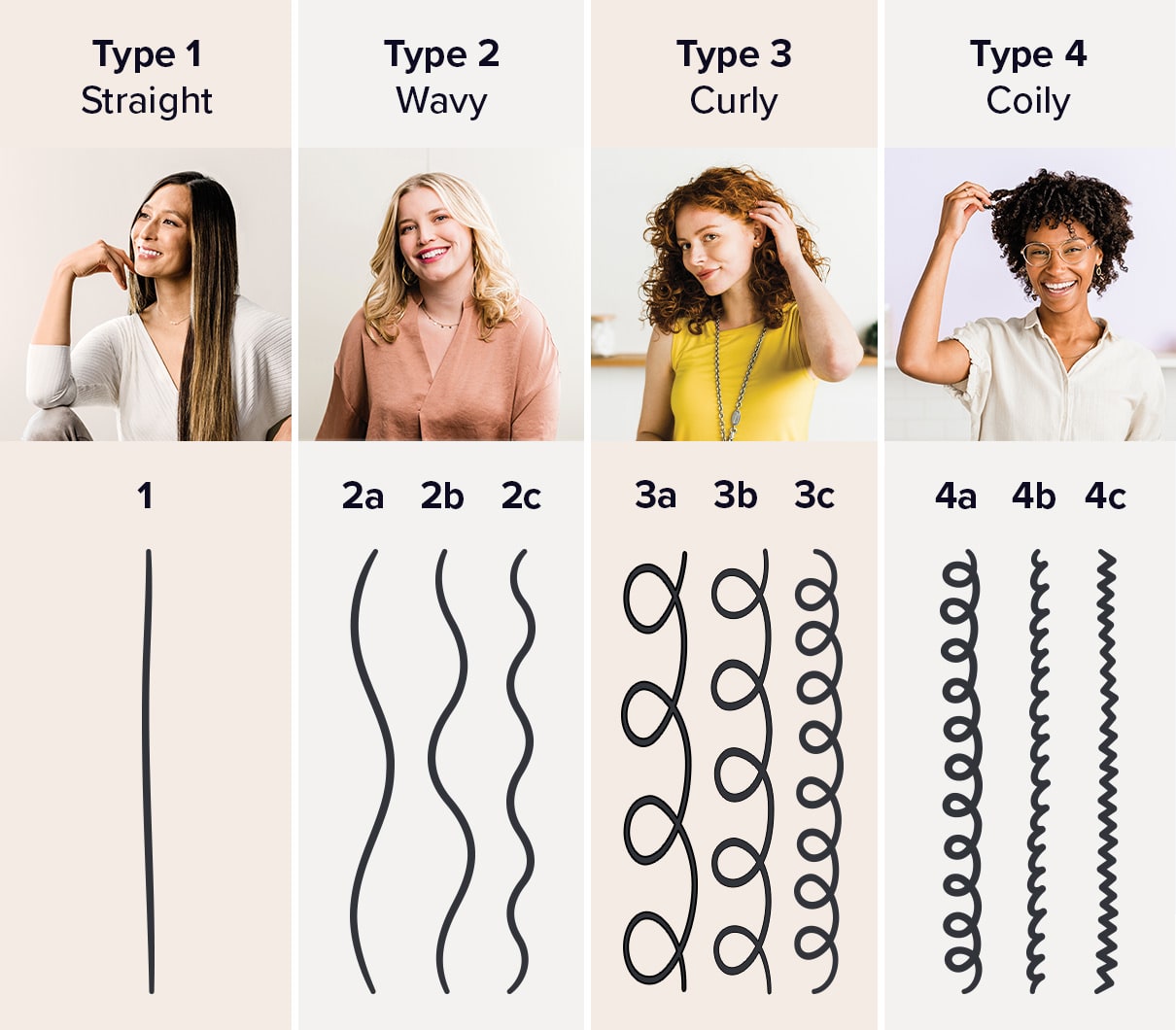
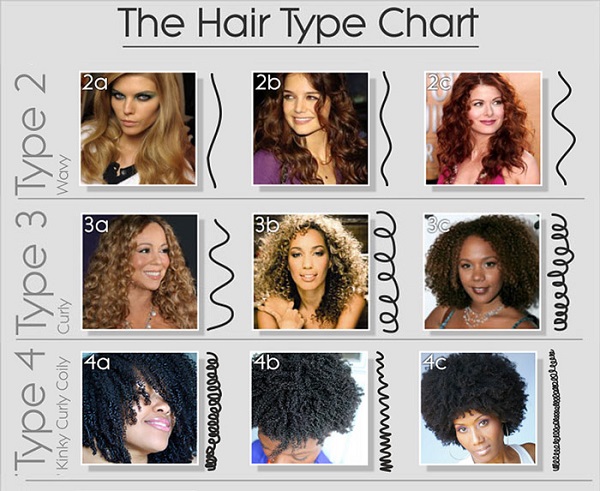
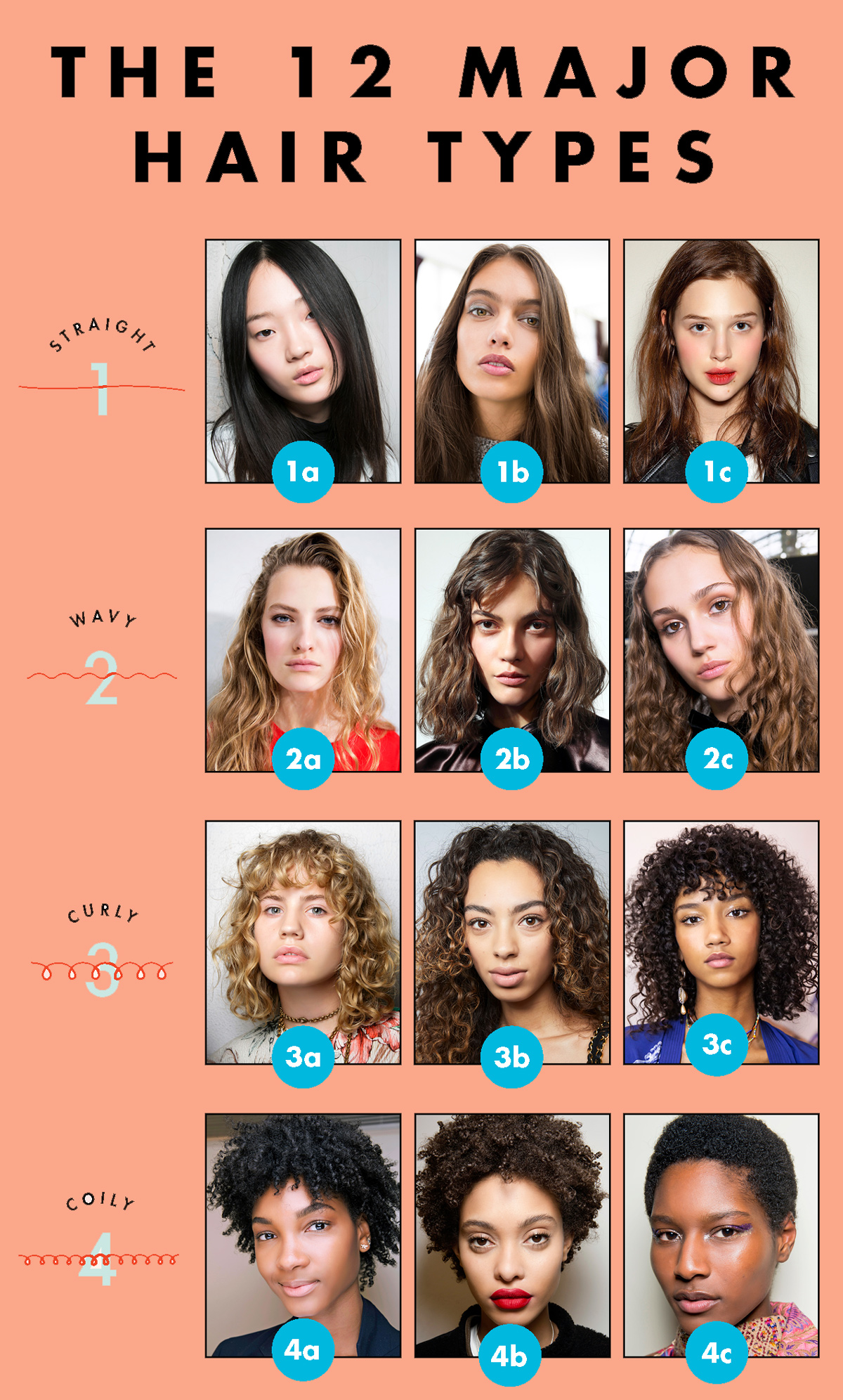
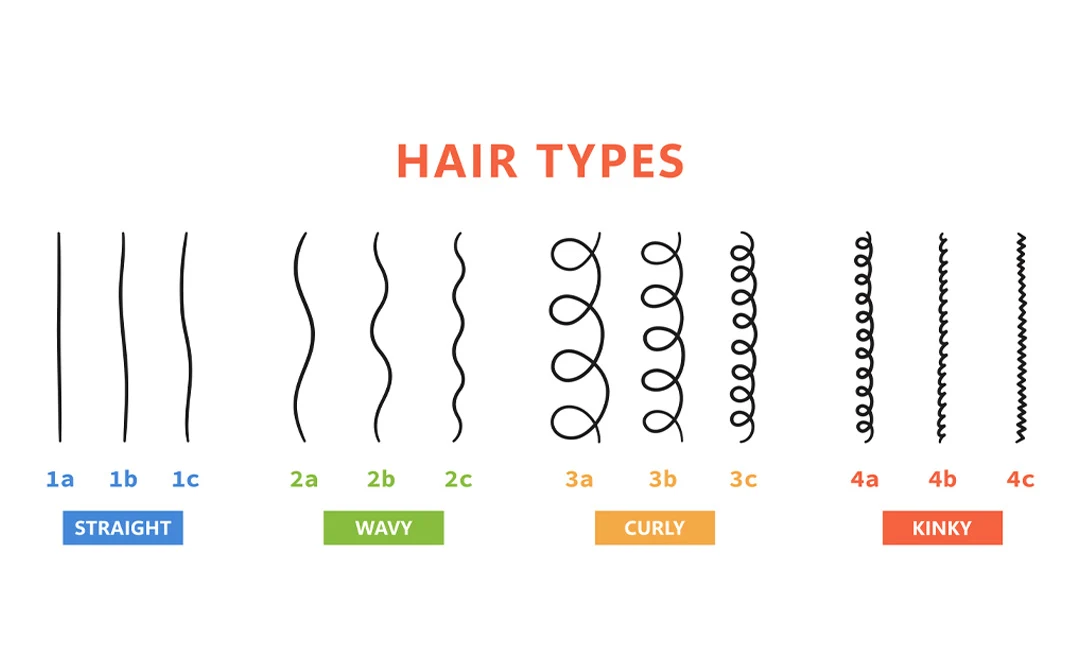
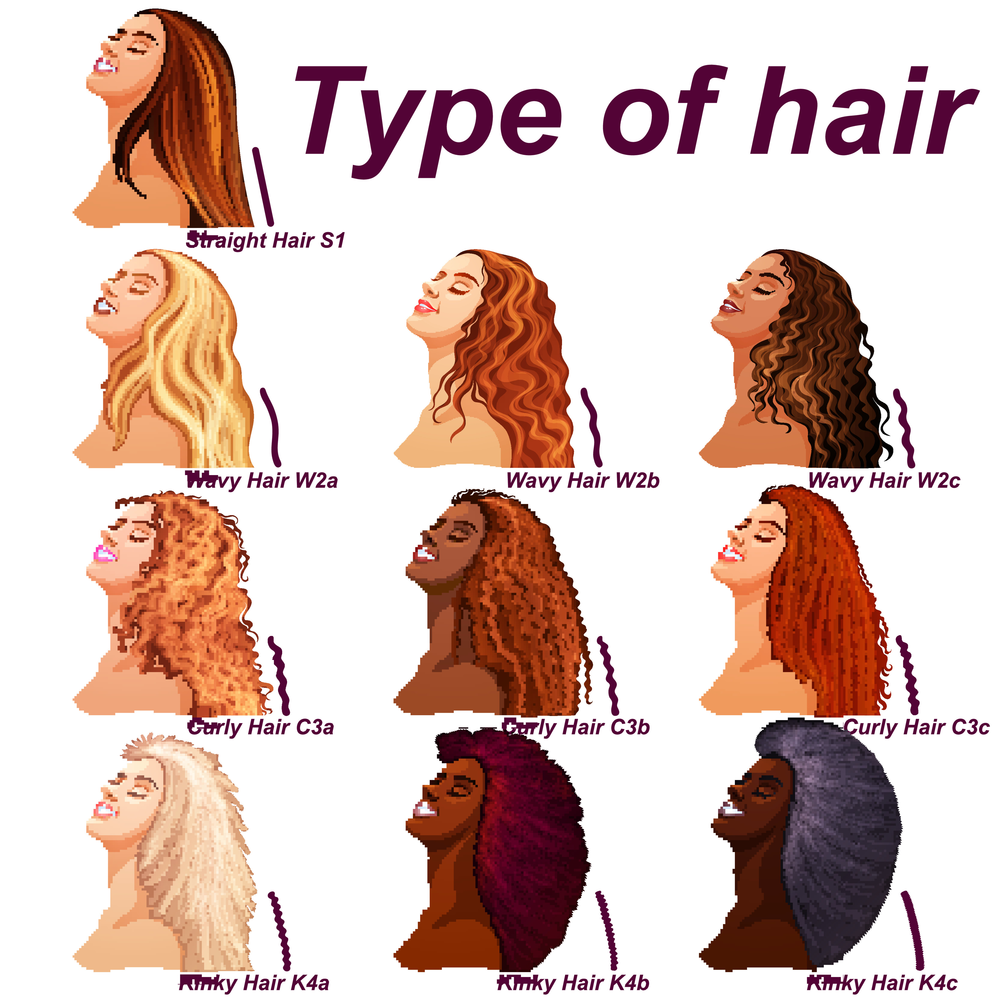
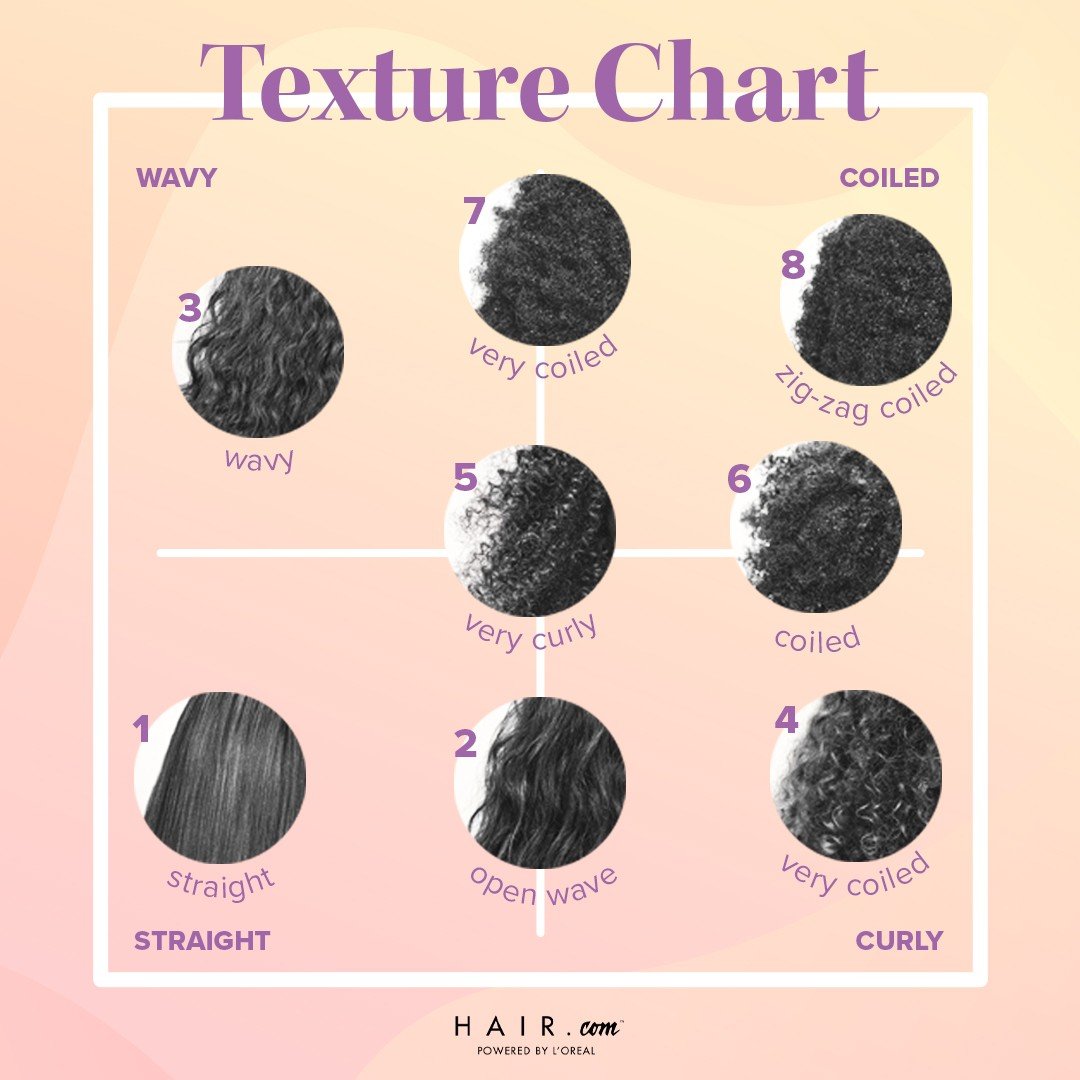
Before we embark on our detailed exploration, it’s crucial to understand the widely adopted hair typing system, popularized by celebrity hairstylist Andre Walker. This system categorizes hair primarily by its curl pattern, ranging from Type 1 (straight) to Type 4 (coily). Each main type is further subdivided (A, B, C) based on the tightness of the curl or coil. While not without its critics, this system provides a valuable framework for understanding hair’s inherent structure and, consequently, its specific care requirements.
Unveiling Type 3 Hair: The World of Curls
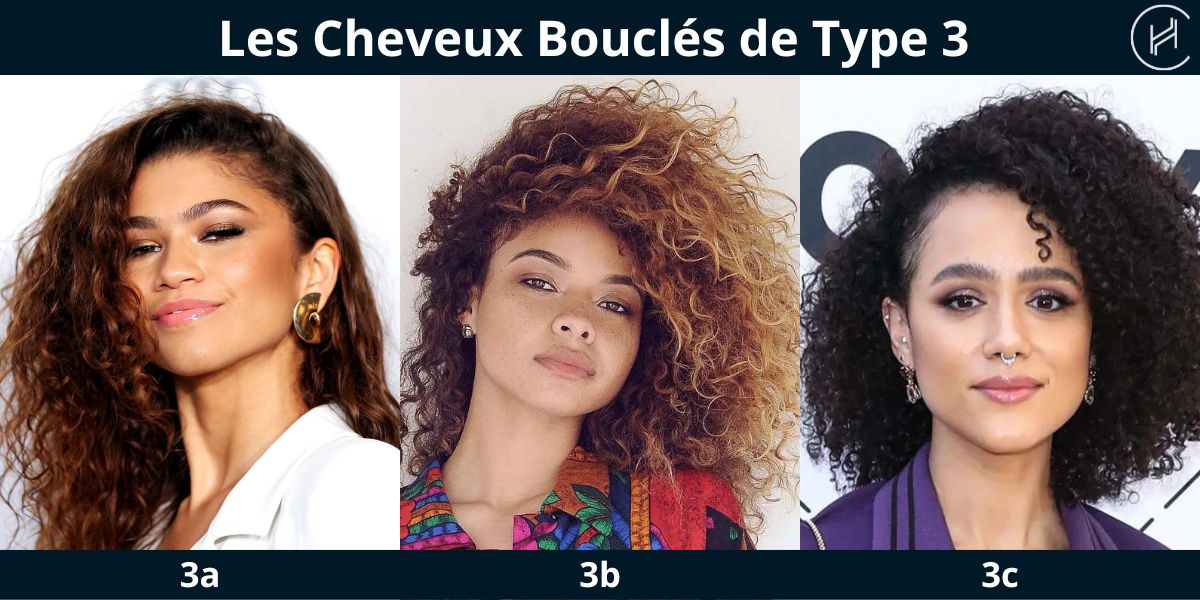
Type 3 hair is characterized by distinct, well-defined curls that range from loose, bouncy waves to tight, springy corkscrews. This type generally possesses a visible S-pattern, where the hair strands form a clear "S" shape. While beautiful, Type 3 hair is often prone to frizz, dryness, and can lose its definition if not properly cared for.
The Subtypes of Type 3:
- 3A: Loose, Bouncy Curls: These curls are typically large, well-defined, and often resemble loose S-shaped spirals. They have a circumference similar to a piece of sidewalk chalk. 3A hair tends to be shinier and less prone to extreme dryness than its tighter counterparts, but frizz can still be a concern, especially in humid conditions.
- 3B: Springy, Bouncy Curls: Characterized by more defined, tighter spirals that have the circumference of a Sharpie marker. 3B curls offer more volume and can be prone to frizz if not moisturized adequately. They hold styles well but can be more susceptible to breakage if handled roughly.
- 3C: Tight, Corkscrew Curls: These are densely packed, tight corkscrew curls that have the circumference of a pencil or a straw. 3C hair boasts significant volume and can appear very full. Due to its tighter curl pattern, it is more prone to dryness and shrinkage, and requires diligent moisture to maintain definition and prevent frizz.
Common Challenges for Type 3 Hair:
- Frizz: The open cuticle of curly hair makes it susceptible to absorbing moisture from the air, leading to frizz.
- Dryness: The natural oils from the scalp struggle to travel down the bends and curves of the hair shaft, leaving the ends particularly dry.
- Lack of Definition: Curls can lose their shape and become undefined without proper styling products and techniques.
- Tangling: The curl pattern can lead to knots and tangles, especially during washing and detangling.
Care Strategies for Type 3 Hair:
- Moisture is Key: Use hydrating, sulfate-free shampoos and conditioners. Incorporate leave-in conditioners and curl creams to lock in moisture.
- Gentle Cleansing: Co-washing (conditioner-only washing) can be beneficial between shampoo days to maintain moisture. When shampooing, focus on the scalp and let the suds rinse down the hair.
- Deep Conditioning: A weekly or bi-weekly deep conditioning treatment is essential to replenish moisture and strengthen the hair.
- Detangling with Care: Always detangle on wet, conditioned hair using a wide-tooth comb or your fingers, starting from the ends and working your way up.
- Styling for Definition: Apply styling products (gels, mousses, creams) to wet hair to encourage curl formation and reduce frizz. The "squish to condish" method can enhance definition.
- Air Drying or Diffusing: Minimize heat. If using a blow dryer, always use a diffuser on a low heat setting to preserve curl pattern and reduce frizz.
- Protect at Night: Sleep on a silk or satin pillowcase or wrap your hair in a silk/satin scarf to reduce friction and preserve curls.
Delving into Type 4 Hair: The Realm of Coils
Type 4 hair is the most tightly coiled hair type, characterized by very tight, often microscopic, curl patterns that can range from a visible S-pattern to a more zigzag Z-pattern, or no discernible pattern at all when dry. This hair type appears dense but is often very fine and fragile, making it the most susceptible to shrinkage, dryness, and breakage. Its unique structure means natural oils struggle even more to coat the entire strand, necessitating intensive moisturizing routines.
The Subtypes of Type 4:
- 4A: Defined Coils with S-Pattern: These coils are typically very tight, springy, and have a clear S-pattern, similar to Type 3C but much smaller, with the circumference of a crochet needle. 4A hair retains moisture better than 4B or 4C, and its coils are often more visible.
- 4B: Z-Pattern Coils: Characterized by a less defined, more zigzag or Z-shaped pattern where the hair bends at sharp angles rather than curving. 4B hair can appear fluffy and voluminous, but its coils are tighter and less defined than 4A. It experiences significant shrinkage and is more prone to dryness.
- 4C: Tightest, Least Defined Coils: This is the tightest and most fragile of all hair types. 4C coils are densely packed and often have no discernible curl pattern when dry, appearing as a dense, cottony mass. It experiences the most extreme shrinkage (up to 75% of its actual length) and is the most prone to dryness, tangles, and breakage due to its delicate nature.
Common Challenges for Type 4 Hair:
- Extreme Dryness: The tight coiling prevents sebum from traveling down the hair shaft, leading to chronic dryness.
- Shrinkage: The coils contract significantly when dry, making the hair appear much shorter than its actual length. This is a sign of healthy elasticity, not damage.
- Fragility and Breakage: The many bends and turns in the hair shaft create weak points, making Type 4 hair very delicate and prone to breakage if not handled with extreme care.
- Tangles and Single-Strand Knots: The tight coils can easily intertwine, leading to persistent tangles and "fairy knots" (single-strand knots).
- Lack of Definition: Without specific styling, 4B and especially 4C hair can appear as a voluminous afro rather than defined coils.
Care Strategies for Type 4 Hair:
- Intense Moisture Regimen: Moisture is paramount. Use rich, creamy, sulfate-free products. The L.O.C. (Liquid, Oil, Cream) or L.C.O. (Liquid, Cream, Oil) method is highly effective for layering moisture.
- Co-Washing is Preferred: Minimize shampooing to once every 1-2 weeks or even less frequently, opting for co-washing in between to cleanse without stripping natural oils.
- Frequent Deep Conditioning: Deep condition at least once a week, often with heat (e.g., a hooded dryer or steamer) to allow products to penetrate the cuticle.
- Extremely Gentle Detangling: Always detangle on wet, heavily conditioned hair using fingers or a seamless wide-tooth comb. Section the hair thoroughly and be incredibly patient.
- Protective Styling: Embrace styles like braids, twists, bantu knots, and buns to minimize manipulation, protect ends, and retain length.
- Low Manipulation: Avoid excessive brushing, combing, or styling that can lead to breakage.
- Pre-Poo Treatments: Apply an oil (like coconut or olive oil) or a conditioner before shampooing to protect strands from stripping.
- Seal in Moisture: After moisturizing, always seal with a heavier oil or butter to lock in hydration.
- Patience and Consistency: Nurturing Type 4 hair is a journey that requires dedication and understanding.
Shared Principles for Both Type 3 and Type 4 Hair
While their specific needs vary, Type 3 and Type 4 hair share fundamental requirements that are crucial for their health and vitality.
-
Moisture is Paramount: This cannot be overstated. Both hair types are inherently prone to dryness. Water is the ultimate moisturizer, so water-based products (listed as the first ingredient) are essential. Layering products using the LOC/LCO method helps to seal in this hydration. Avoid products with drying alcohols.
-
Gentle Cleansing: Sulfates, harsh detergents found in many shampoos, strip hair of its natural oils, leaving it dry and brittle. Opt for sulfate-free, moisturizing shampoos or consider co-washing as your primary cleansing method. Focus on cleansing the scalp and allow the suds to run down the hair.
-
Deep Conditioning is Non-Negotiable: Regular deep conditioning treatments (at least once a week) are vital. These treatments penetrate the hair shaft, providing intense hydration, strengthening the hair, and improving elasticity. For Type 4 hair, adding heat (from a steamer, hooded dryer, or even a warm towel) can enhance penetration.
-
Strategic Detangling: Never detangle dry hair. Always work on wet, conditioned hair, preferably in sections. Use your fingers first to gently separate knots, then follow with a wide-tooth comb or a detangling brush designed for curly/coily hair. Start from the ends and work your way up to the roots. This minimizes breakage and pain.
-
Protective Styling: Styles that tuck away the ends of the hair, such as braids, twists, buns, and updos, are excellent for reducing manipulation, preventing breakage, and retaining length. For Type 4 hair, these styles are particularly beneficial for managing shrinkage and promoting growth.
-
Minimizing Heat: Excessive heat from blow dryers, flat irons, and curling wands can cause irreversible damage to the delicate curl pattern and lead to dryness and breakage. Air drying is always preferred. If heat styling is necessary, use a heat protectant and the lowest possible temperature.
-
Understanding Porosity: Hair porosity refers to how well your hair cuticles absorb and retain moisture.
- Low Porosity: Cuticles are tightly bound, making it hard for moisture to penetrate but also hard for it to escape. Use lightweight, liquid-based products and apply heat during deep conditioning to help open the cuticle.
- Normal Porosity: Balanced, absorbs and retains moisture well.
- High Porosity: Cuticles are raised or damaged, allowing moisture to enter and escape easily. Requires heavier butters and oils to seal in moisture and protein treatments to strengthen the hair. Knowing your porosity helps in selecting the most effective products.
-
Scalp Health: A healthy scalp is the foundation for healthy hair growth. Keep your scalp clean and moisturized. Gentle massage can stimulate blood flow. Address any issues like dandruff or excessive oiliness promptly.
-
Product Selection: Choose products specifically formulated for curly and coily hair. Look for ingredients like shea butter, coconut oil, argan oil, jojoba oil, aloe vera, and glycerin. Avoid silicones that can build up and parabens. Experiment to find what works best for your hair’s unique needs.
Navigating Common Misconceptions and Embracing Your Hair
For too long, Type 3 and especially Type 4 hair have been subjected to societal biases and misconceptions, often labeled as "unmanageable" or "difficult." It’s crucial to dismantle these harmful narratives:
- "Good Hair" vs. "Bad Hair": There is no such thing as "good" or "bad" hair. All hair types are beautiful and unique. This discriminatory concept often stems from Eurocentric beauty standards.
- The Myth of "Unmanageable" Hair: Type 3 and 4 hair are not unmanageable; they simply require a different understanding and approach to care than straight hair. With the right techniques and products, they are incredibly versatile and stunning.
- Shrinkage is Not a Flaw: Shrinkage is a natural characteristic of healthy, elastic curly and coily hair. It indicates that your hair is well-hydrated and capable of returning to its natural curl pattern. Embrace it as a sign of vitality, not a problem to be "fixed" by harsh methods.
Building Your Hair Care Regimen
A consistent routine is key. Here’s a sample framework:
- Cleansing (Weekly/Bi-weekly): Sulfate-free shampoo or co-wash.
- Conditioning (Every wash day): Rinse-out conditioner, followed by a leave-in conditioner.
- Deep Conditioning (Weekly): Intensive treatment.
- Moisturizing & Sealing (Daily/Every few days): Water-based leave-in, then oil/cream/butter (LOC/LCO method).
- Styling: Apply styling products to wet hair for definition and hold.
- Nighttime Protection: Silk/satin scarf or pillowcase.
- Trimming (Every 3-4 months): To remove split ends and maintain health.
Conclusion
The journey of nurturing Type 3 and Type 4 hair is one of discovery, patience, and self-love. These hair types are not merely strands; they are crowns, embodying resilience, versatility, and breathtaking beauty. By understanding their unique characteristics, embracing tailored care routines, and dispelling outdated myths, individuals with Type 3 and Type 4 hair can unlock their hair’s full potential.
Embrace your curls and coils. Learn their language, provide them with the nourishment they crave, and celebrate the magnificent, vibrant crown that is uniquely yours. In doing so, you not only care for your hair but also affirm a powerful statement of self-acceptance and natural beauty.