Hair styling is more than just a daily routine; it’s an art form, a powerful tool for self-expression, and a significant confidence booster. Whether you’re aiming for a sleek professional look, a cascade of romantic curls, or an effortlessly chic updo, the journey begins with understanding the fundamentals. This comprehensive guide will walk you through the essential steps, tools, and techniques to transform your hair from ordinary to extraordinary, empowering you to create salon-worthy styles right at home.
The Foundation: Prepping Your Canvas
Before any heat tool touches your strands or any intricate braid begins, proper preparation is paramount. This foundational stage ensures your hair is healthy, protected, and ready to hold its style.
-
Washing and Conditioning (The Clean Slate):
- Choose Wisely: Select a shampoo and conditioner suited to your hair type (oily, dry, fine, thick, color-treated). For styling, a volumizing shampoo can lift fine hair, while a smoothing conditioner can tame frizz in thicker textures.
- Thorough Rinse: Ensure all product is completely rinsed out. Residue can weigh hair down and make it appear dull or greasy.
- Frequency: Over-washing can strip natural oils. Consider washing every 2-3 days, or as needed, using dry shampoo on off-days.
-
Towel Drying (Gentle Absorption):
- Blot, Don’t Rub: Aggressive rubbing with a towel can cause friction, leading to frizz and breakage. Gently squeeze and blot excess water from your hair with a soft towel, preferably a microfiber one, which absorbs water more efficiently and reduces frizz.
- Damp, Not Dripping: Your hair should be damp, not soaking wet, before applying styling products.
-
Product Application (The Protective Layer & Styling Base):
- Heat Protectant (Non-Negotiable): This is the most crucial step if you plan to use any heat tools. Apply a generous amount evenly from mid-lengths to ends. Heat protectants create a barrier that minimizes damage from high temperatures, preventing dryness, breakage, and color fade.
- Volumizing Mousse/Spray (For Lift): If you desire volume, apply mousse or a root-lifting spray to the roots and work it through. Distribute evenly for balanced lift.
- Smoothing Serum/Oil (For Shine & Frizz Control): For sleek styles or to add shine, a small amount of lightweight serum or hair oil applied to the mid-lengths and ends can tame flyaways and enhance luster. Avoid applying too much near the roots, which can make hair greasy.
- Distribution: Use a wide-tooth comb to gently distribute products evenly through your hair, ensuring every strand benefits.
-
Rough Drying vs. Blow Drying (The Initial Shape):
- Rough Drying (80% Dry): For most styles, you want your hair to be about 80% dry before precise blow-drying or heat styling. You can air dry to this point or use a blow dryer on a medium-low heat setting, gently tumbling your hair with your fingers to remove excess moisture. This reduces the amount of time heat tools are directly applied to your hair.
- Blow Drying (For Specific Styles):
- Sectioning: Divide your hair into manageable sections using clips. Start with the bottom layers.
- Nozzle Direction: Always point the blow dryer nozzle downwards, following the direction of your hair growth. This smooths the cuticle, enhancing shine and reducing frizz.
- Brush Choice: Use a paddle brush for general smoothing, a round brush for volume and curl, or a vent brush for faster drying.
- Tension: Apply gentle tension with your brush as you dry each section from root to tip.
- Cool Shot: Finish each section with a blast of cool air to set the style and add shine.
Essential Tools of the Trade
Having the right tools makes all the difference. Invest in quality items that protect your hair and offer versatile styling options.
- Blow Dryer: With multiple heat and speed settings, and a concentrator nozzle.
- Flat Iron (Straightener): Ceramic or tourmaline plates are gentler on hair. Look for adjustable temperature settings.
- Curling Iron/Wand: Various barrel sizes create different curl types. A wand offers a more natural, less structured curl.
- Brushes:
- Paddle Brush: For detangling and smoothing.
- Round Brush: For adding volume and shape during blow-drying.
- Teasing Brush/Comb: For backcombing and creating volume.
- Combs: Wide-tooth comb for detangling wet hair, fine-tooth comb for precise sectioning.
- Hair Clips/Sectioning Clips: Essential for managing hair during styling.
- Hairspray: Flexible, medium, and strong hold options.
- Dry Shampoo: For refreshing hair and adding texture/volume.
- Shine Serum/Oil: For a polished finish.
Mastering Core Styling Techniques
Once your hair is prepped and you have your tools ready, it’s time to dive into specific styling techniques.
A. Sleek & Straight Hair
Achieving perfectly straight, smooth hair requires precision and patience.
- Ensure Hair is 100% Dry: Never use a flat iron on damp hair, as this can cause severe damage.
- Apply Heat Protectant: Reapply if you skipped it during the initial prep or if your hair has fully air-dried.
- Section Hair: Divide your hair into 1-inch sections using clips. Smaller sections yield better results. Start with the bottom layers.
- Set Temperature: Adjust your flat iron to an appropriate temperature for your hair type (lower for fine/damaged, higher for thick/coarse).
- Straighten Each Section:
- Place the flat iron close to the roots, clamping down gently.
- Glide the iron smoothly and steadily down the hair shaft to the ends. Avoid stopping in one place, as this can create creases or burn the hair.
- For a super sleek look, you might need one slow pass. For less damage, one pass is ideal. If you need multiple passes, ensure they are quick and light.
- Angle the iron slightly inwards at the ends for a soft finish, or straight down for pin-straight.
- Repeat: Continue with each section until all hair is straightened.
- Finish: Apply a small amount of shine serum or oil to the ends to add luster and tame any flyaways. A light mist of flexible hold hairspray can help maintain the style.
B. Bouncy Curls & Waves
Whether you prefer tight ringlets, soft waves, or voluminous curls, the technique is similar.
- Ensure Hair is 100% Dry: Like flat ironing, curling irons/wands should only be used on dry hair.
- Apply Heat Protectant: Crucial for protecting against heat damage.
- Section Hair: Divide hair into 1-2 inch sections, depending on your desired curl size. Smaller sections create tighter curls.
- Choose Your Tool & Technique:
- Curling Iron (with clamp):
- Open the clamp, place the ends of a section of hair under the clamp.
- Roll the iron up towards the roots, wrapping the hair around the barrel.
- Hold for 5-10 seconds (adjust based on hair type and desired curl, but never too long).
- Release the clamp and gently slide the iron out.
- Curling Wand (no clamp):
- Hold the wand downwards.
- Wrap a section of hair around the barrel, starting from the root (for volume) or mid-shaft (for looser waves), leaving the ends out for a more modern look.
- Hold for 5-10 seconds.
- Gently release the hair from the wand.
- Curling Iron (with clamp):
- Direction Matters:
- Away from Face: For a flattering, open look, curl the sections around your face away from your face.
- Alternating Directions: For a more natural, voluminous look, alternate the direction of curls (some towards the face, some away) on different sections.
- Let Curls Cool: This is vital for setting the curl. Do not touch or brush curls until they have completely cooled down. You can even pin them up with bobby pins while they cool for extra hold.
- Finish: Once cooled, gently run your fingers through the curls for a softer, more natural wave, or brush them out with a wide-tooth comb for a Hollywood glam look. Finish with a flexible or medium-hold hairspray.
C. Voluminous Lift
Adding volume can transform flat hair into a lively, bouncy style.
- Root Lifting Products: Apply a volumizing mousse, spray, or root lifter to damp roots before blow-drying.
- Blow Drying Techniques:
- Upside Down: Flip your head upside down and rough dry your hair, focusing heat on the roots.
- Round Brush: When blow-drying sections, lift the hair at the roots with a round brush and direct the airflow upwards.
- Velcro Rollers: After blow-drying, place large velcro rollers at the crown of your head while hair is still warm. Let them cool completely before removing.
- Teasing (Backcombing):
- Section: Take a small section of hair at the crown (about 1 inch thick).
- Lift: Hold the section straight up.
- Tease: With a fine-tooth comb or teasing brush, gently push the hair downwards towards the scalp in short strokes, focusing on the underside of the section.
- Smooth: Lightly smooth the top layer of the teased section with your comb to hide the backcombing.
- Hairspray: Lightly mist with hairspray to hold the volume.
- Dry Shampoo: Spritz dry shampoo at the roots for instant lift and texture, even on clean hair.
D. Elegant Updos & Ponytails (Principles)
While specific updos vary, the underlying principles remain consistent.
- Texture is Key: For most updos, hair that’s a day or two old with some natural texture or pre-curled hair holds better than freshly washed, super-slippery hair.
- Sectioning: Clean, precise sections are vital for a polished look.
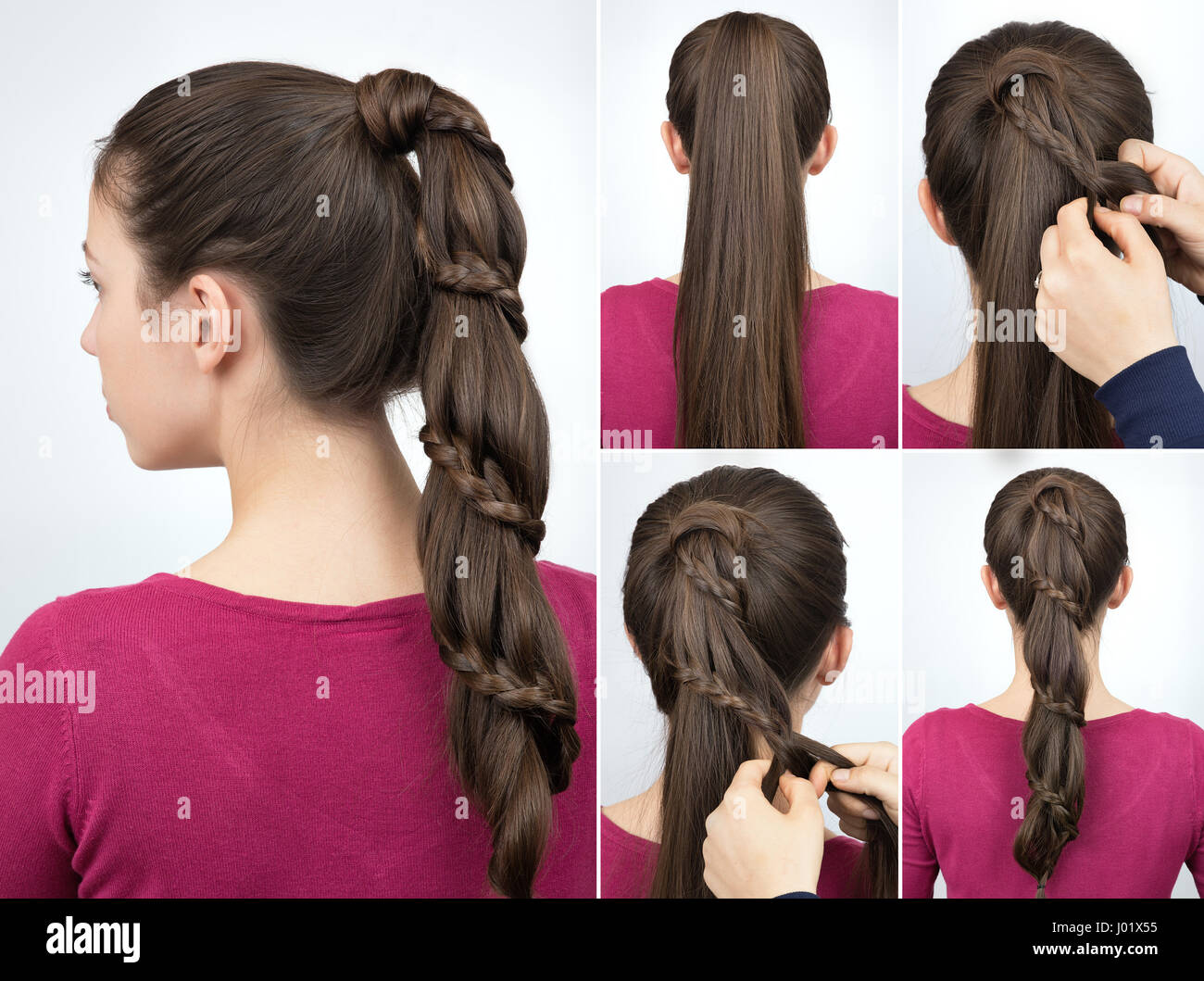
- Secure Foundation: Whether it’s a ponytail, a bun, or a half-up style, ensure the base is securely fastened with a strong elastic or bobby pins.
- Pinning: Use bobby pins strategically. For a strong hold, insert the pin against the direction of the hair, then flip it and push it into the base of the style. Criss-cross two pins for extra security.
- Smooth or Textured: Decide if you want a sleek, pulled-back look (use gel/pomade for flyaways) or a softer, more romantic style (gently pull out face-framing pieces).
- Hairspray: Finish with a generous mist of hairspray to lock everything in place.
E. Braiding Basics
Braids are versatile and can range from simple to intricate. Mastering the basic French or Dutch braid opens up a world of possibilities.
- Prep: Hair that is slightly damp or has some grip (day-old hair, or with a texturizing spray) is easier to braid.
- Clean Sections: Ensure your initial sections are clean and even for a neat braid.
- Consistent Tension: Maintain consistent tension throughout the braiding process. Too loose, and the braid will unravel; too tight, and it will pull uncomfortably.
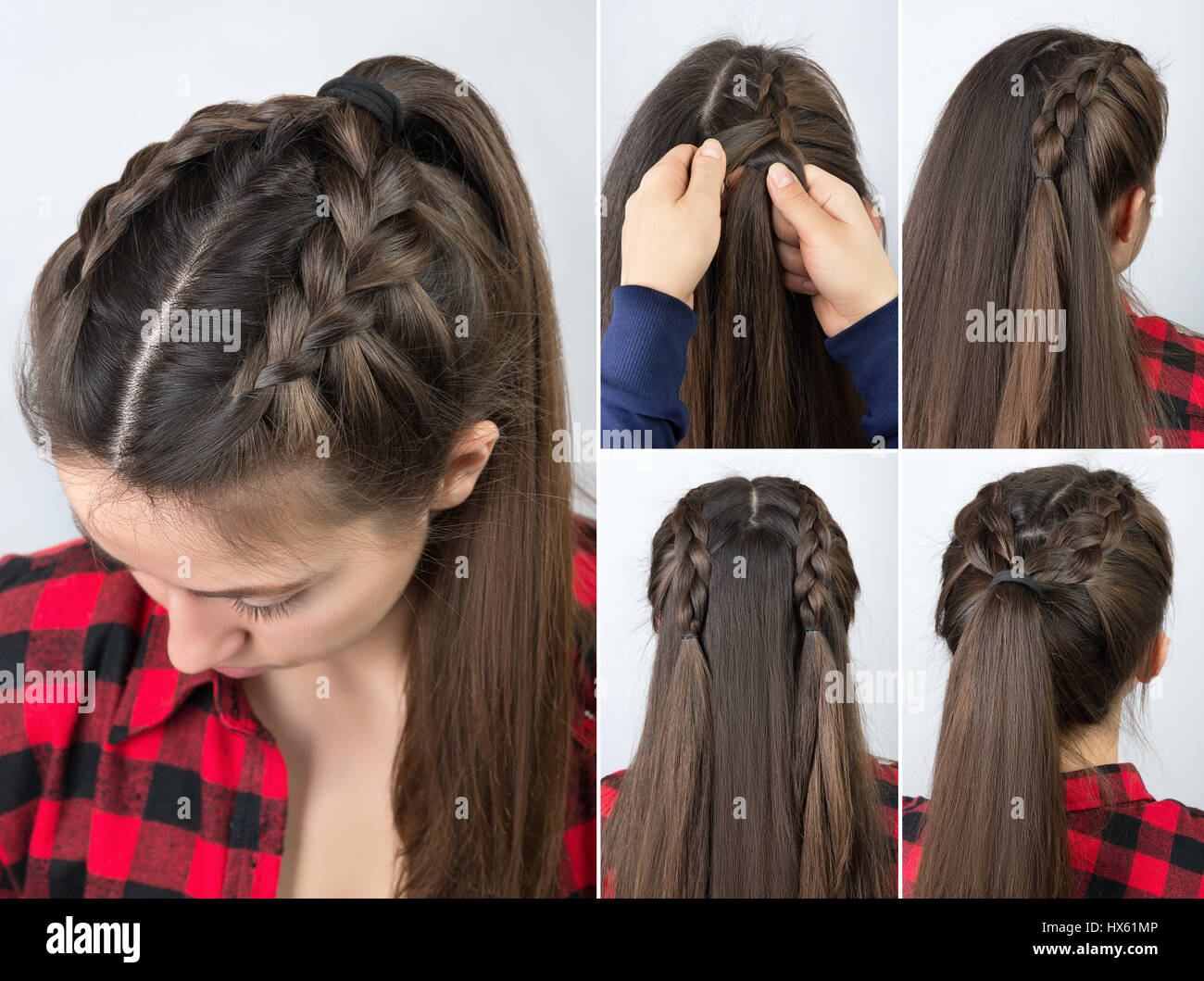
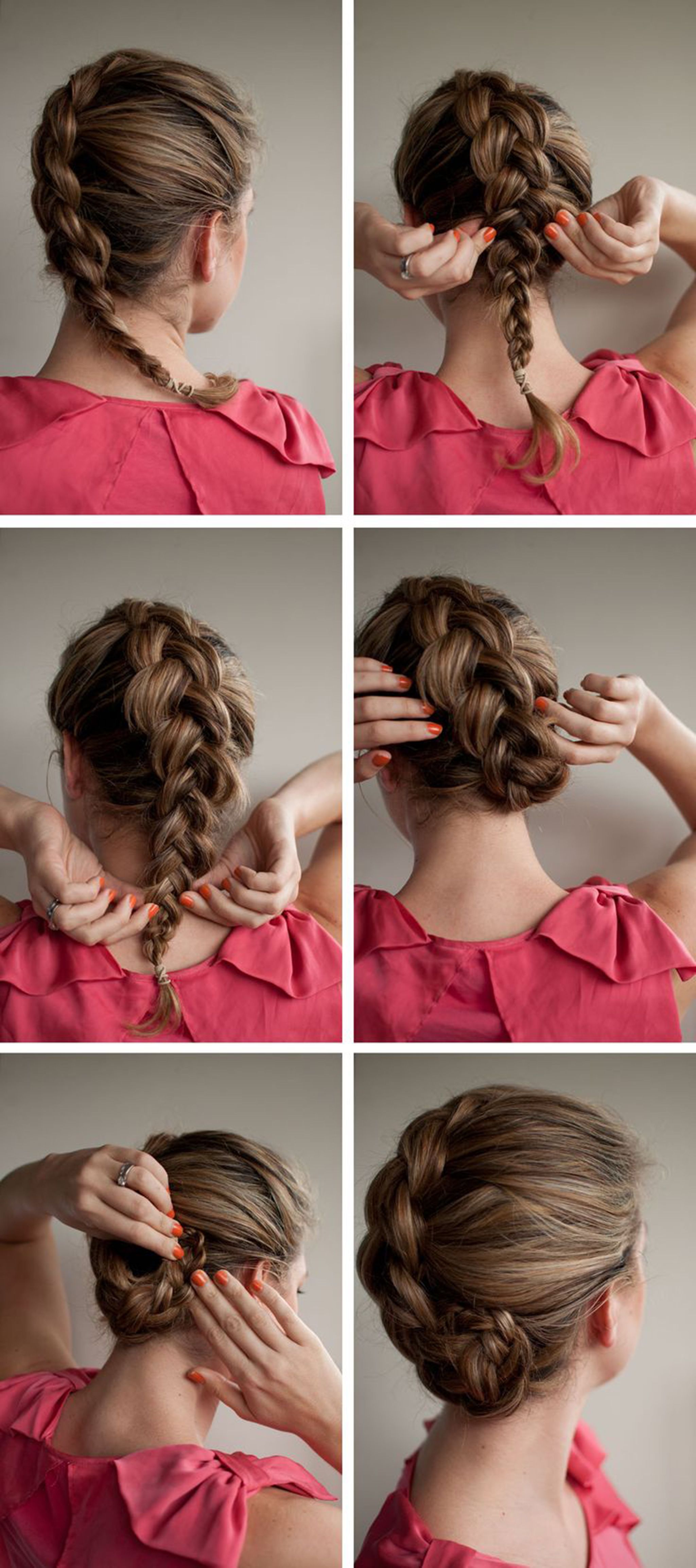
- Practice: Braiding takes practice. Start with simple three-strand braids, then move to French (adding hair from outside into the middle strand) and Dutch (crossing strands under the middle strand).
- Secure the End: Use a small elastic band to secure the end of your braid.
- Loosen (Optional): Gently pull apart the loops of the braid for a fuller, more relaxed look.
The Grand Finale: Setting Your Style
You’ve put in the effort; now ensure your masterpiece lasts.
- Cooling Down: For curls, allow them to cool completely before touching or brushing. This sets the curl pattern.
- Hairspray Application:
- Distance: Hold the hairspray can 10-12 inches away from your head to ensure an even mist, preventing a stiff, crunchy feel.
- Layering: Apply in light, even layers. You can build up hold if needed.
- Type: Use a flexible hold for movement, a medium hold for everyday styles, and a strong hold for updos or humid conditions.
- Shine Serum/Oil (Final Touch): A tiny drop warmed in your palms and lightly smoothed over the surface of your hair, focusing on the ends, adds incredible shine and tames any last flyaways without weighing hair down.
- Final Check: Use a hand mirror to check your style from all angles, ensuring no stray hairs or missed sections.
Maintaining Your Masterpiece & Healthy Hair Habits
Your styling efforts don’t end when you put down the tools. Proper maintenance extends the life of your style and keeps your hair healthy.
- Protect at Night: Sleep on a silk or satin pillowcase to reduce friction and prevent frizz. For curls, loosely tie your hair in a high bun (pineapple method) or a loose braid to preserve the pattern.
- Refreshing: Use dry shampoo at the roots to absorb oil and add volume on non-wash days. A quick touch-up with a curling iron or flat iron can revive sections.
- Clean Your Tools: Regularly clean your brushes, combs, and heat tools to remove product buildup, which can transfer to your hair and make it dull.
- Regular Trims: Schedule regular trims (every 6-8 weeks) to remove split ends, which can travel up the hair shaft and cause further damage, making styling difficult.
- Patience and Practice: Styling takes time and practice. Don’t get discouraged if your first attempts aren’t perfect. Experiment, learn what works best for your hair type, and enjoy the process of transforming your look.
Hair styling is a journey of discovery, allowing you to express your personality and boost your confidence. By following these step-by-step instructions, understanding your tools, and embracing healthy hair habits, you’ll unlock the potential of your locks and master the art of creating beautiful, long-lasting styles every day.