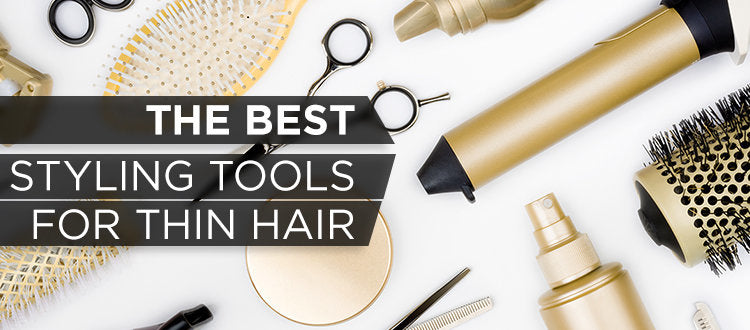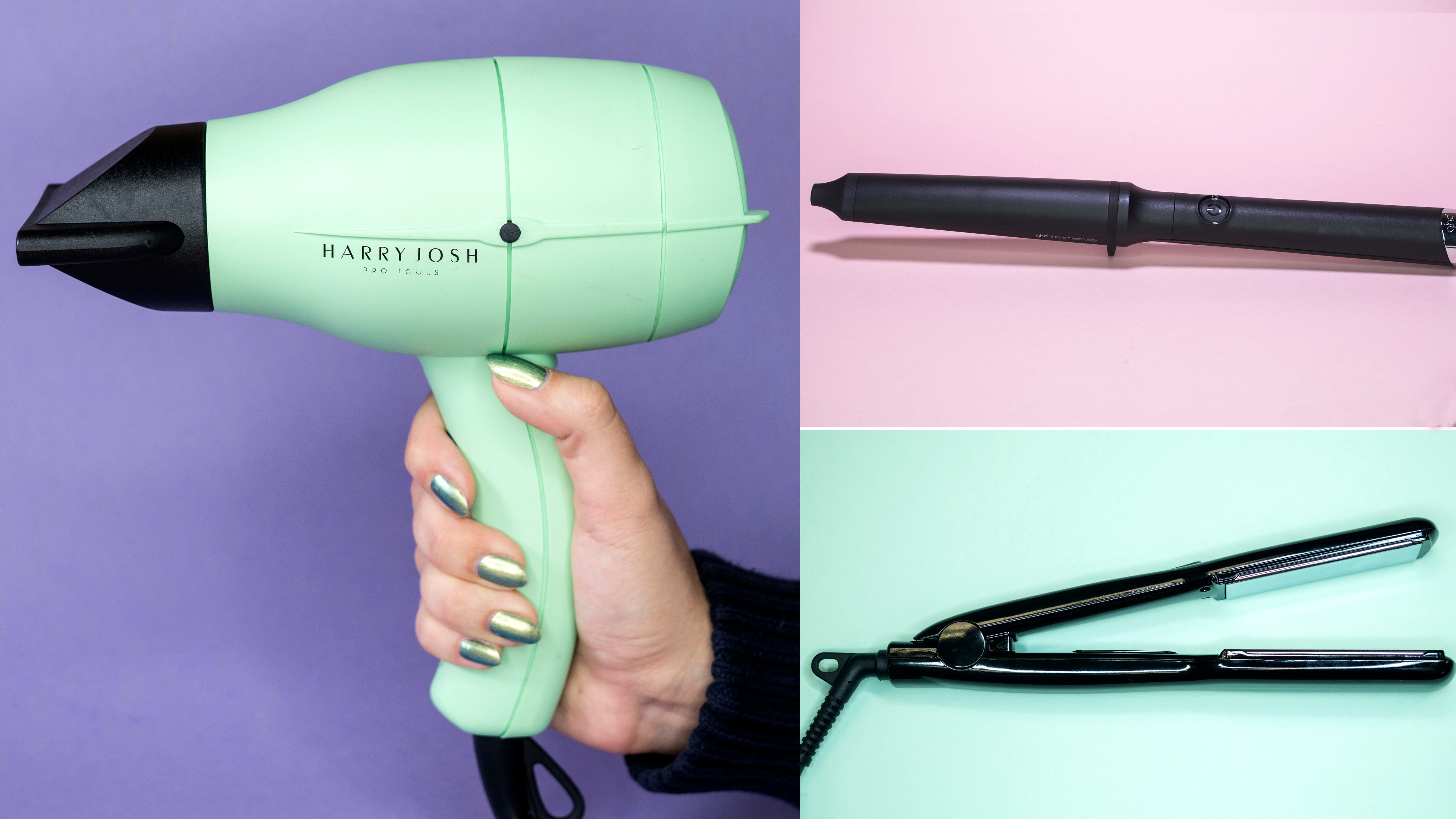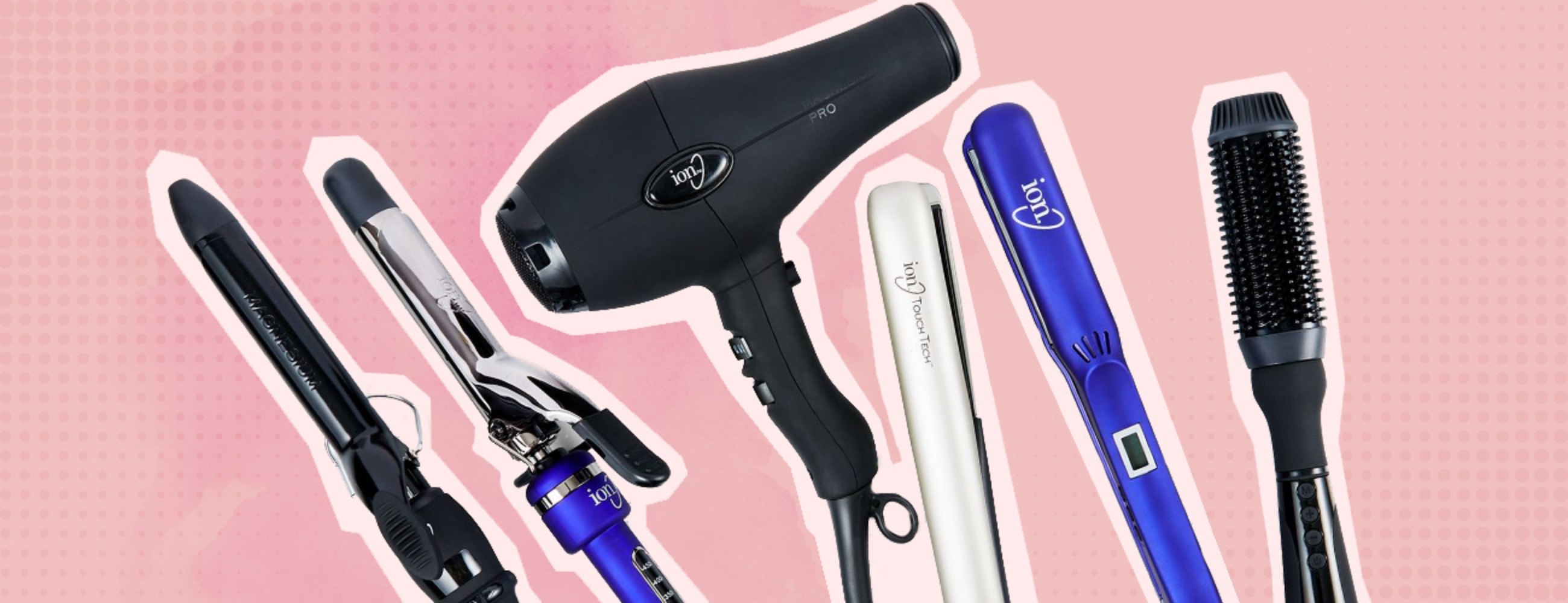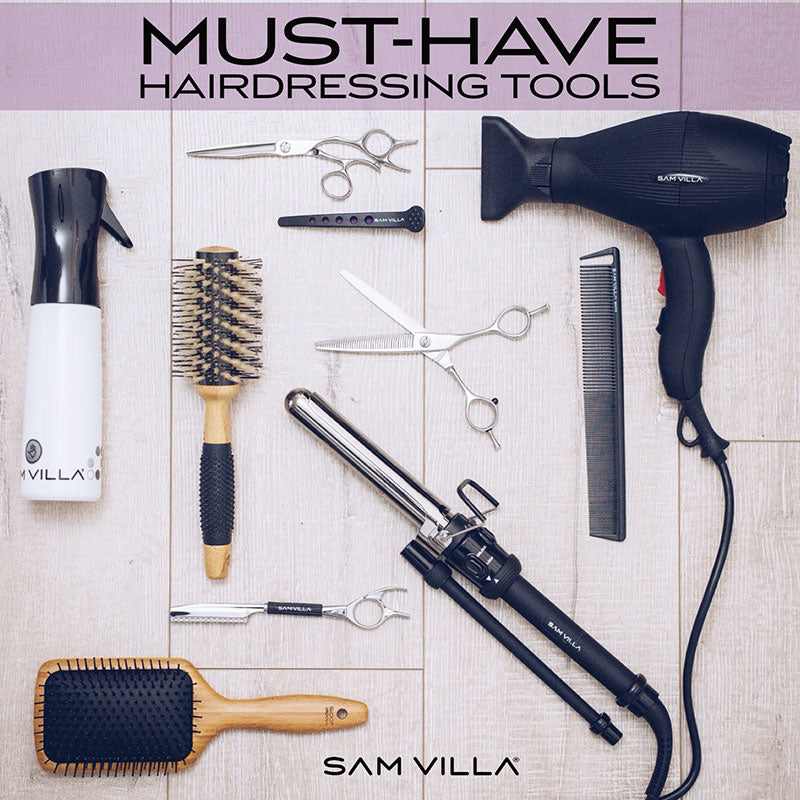
In the pursuit of perfect hair, the right tools are as crucial as the right products. From sleek, pin-straight locks to bouncy, voluminous curls, or simply a quick, frizz-free blow-dry, the efficacy of your styling routine hinges on the quality and suitability of your instruments. But with an overwhelming array of options available, the question isn’t just what to buy, but where to buy it. Navigating the diverse retail landscape for hair styling tools can be daunting, ranging from budget-friendly drugstores to high-end professional suppliers.
This comprehensive guide will demystify the various avenues for purchasing hair styling tools, helping you make informed decisions based on your budget, desired quality, specific needs, and shopping preferences.
1. Specialty Beauty Retailers: The Enthusiast’s Haven
Examples: Ulta Beauty, Sephora, Sally Beauty Supply
What they offer: These stores are arguably the most comprehensive destinations for hair styling tools.
- Ulta Beauty & Sephora: Known for their vast selection of high-end and professional-grade tools from brands like Dyson, T3, GHD, Drybar, and Bio Ionic. You’ll find everything from advanced hair dryers with intelligent heat control to multi-functional styling irons and a wide array of brushes. They often have dedicated beauty advisors who can offer personalized recommendations.
- Sally Beauty Supply: Caters more to both professional stylists and serious DIY enthusiasts. They stock a broader range of professional-grade tools, salon-exclusive brands (like BaBylissPRO, Hot Tools, ConairPRO), and a wider variety of accessories like perm rods, hair nets, and bulk clips. Prices here can be more competitive, especially for non-prestige brands.
Pros:
- Extensive Selection: Unparalleled variety of brands, models, and technologies.
- Expert Advice: Staff are often knowledgeable and can provide demonstrations or recommendations.
- Quality Assurance: High likelihood of purchasing authentic, warrantied products.
- Loyalty Programs: Many offer rewards programs that can lead to discounts or free products.
- Trial Opportunities: In some cases, you might be able to feel the weight or grip of a tool before purchasing.
Cons:
- Pricey: Often carry premium brands, leading to higher price points.
- Overwhelming: The sheer volume of choices can be daunting for beginners.
Best for: Serious hair enthusiasts, professionals, those seeking specific high-end or innovative tools, and shoppers who value expert advice and a wide selection.
2. Department Stores: Reliable & Reputable
Examples: Macy’s, Nordstrom, Kohl’s, JCPenney
What they offer: Department stores typically feature a curated selection of well-known, mid-to-high-range hair styling tools. You’ll often find reputable brands like Conair, Revlon, CHI, and sometimes premium brands like T3 or Dyson, especially during promotional periods. Their beauty departments are usually well-maintained, and products are displayed clearly.
Pros:
- Trusted Brands: Focus on established and reliable brands.
- Excellent Customer Service: Generally offer strong return policies and attentive staff.
- Shopping Experience: A more refined and less overwhelming shopping environment than some specialty stores.
- Sales & Promotions: Frequent sales events can offer significant savings on quality tools.
Cons:
- Limited Selection: The range of brands and specific models might be narrower compared to specialty beauty retailers.
- Less Specialized Staff: Beauty counter staff might be more knowledgeable about cosmetics and skincare than specific hair tools.
Best for: Shoppers looking for reliable, mid-to-high-range tools from well-known brands, those who appreciate good customer service and return policies, and gift purchases.
3. Big Box Retailers: Convenience & Affordability
Examples: Target, Walmart, Best Buy
What they offer: These retail giants are excellent for everyday convenience and budget-friendly options. You’ll find a wide array of basic to mid-range hair dryers, flat irons, curling irons, and brushes from popular consumer brands like Conair, Revlon, Remington, and sometimes more advanced options like CHI or L’ange. Best Buy, in particular, has expanded its beauty tech section to include high-end hair tools like Dyson.
Pros:
- Convenience: Easily accessible locations for most people.
- Affordability: Competitive pricing, especially for entry-level and mid-range tools.
- One-Stop Shop: You can pick up hair tools along with your groceries and other household items.
- Accessibility: Widely available across various regions.
Cons:
- Limited High-End Selection: While some may carry a few premium items, the overall selection of high-end or professional tools is limited.
- Less Specialized Advice: Staff are generally not equipped to provide in-depth advice on hair tools.
- Basic Packaging: Products are often displayed in their basic packaging, offering less opportunity for hands-on evaluation.
Best for: Beginners, budget-conscious shoppers, those needing basic or everyday tools, and anyone prioritizing convenience.
4. Online Marketplaces: The Digital Frontier
Examples: Amazon, eBay, Walmart.com, Target.com
What they offer: The internet has revolutionized shopping for hair tools, offering unparalleled selection and competitive pricing.
- Amazon: Boasts an enormous inventory from virtually every brand imaginable, often with competitive pricing, user reviews, and fast shipping (especially with Prime).
- eBay: A platform for both new and used items, offering potential deals on discontinued models or lightly used tools.
- Retailer Websites: Many physical stores (Walmart, Target, Ulta, Sephora) also have robust online stores, often with a wider selection than their brick-and-mortar counterparts.
Pros:
- Vast Selection: Access to an almost infinite number of brands, models, and price points.
- Competitive Pricing: Easy to compare prices and find deals, often lower than in-store.
- Customer Reviews: A wealth of user reviews and ratings to help inform your decision.
- Convenience: Shop from anywhere, anytime, with delivery to your doorstep.
Cons:
- Authenticity Concerns: A significant risk of encountering counterfeit products, especially on third-party seller platforms like Amazon or eBay. Always buy from reputable sellers or the brand’s official store on these platforms.
- No Hands-On Experience: Cannot physically examine or test the tool before purchase.
- Returns Can Be Tricky: While most reputable online retailers have good return policies, the process can be less straightforward than in-store.
- Overwhelming Choices: The sheer volume can make decision-making difficult.
Best for: Savvy shoppers who do their research, those seeking specific or niche products, and anyone looking for the best possible price. Exercise extreme caution regarding authenticity, especially with high-value items.
5. Brand Websites: Direct from the Source
Examples: Dyson.com, GHDhair.com, T3Micro.com, BioIonic.com
What they offer: Many premium and even some mid-range hair tool brands sell directly from their own websites. This is often the most reliable way to ensure you’re getting an authentic product directly from the manufacturer.
Pros:
- Guaranteed Authenticity: No risk of counterfeits.
- Full Product Range: Access to every model, color, and accessory offered by the brand, including exclusive bundles or limited editions.
- Direct Customer Support: Direct access to the manufacturer for warranty claims or troubleshooting.
- Exclusive Offers: Brands sometimes offer special discounts, bundles, or early access to new products only available on their site.
Cons:
- Limited to One Brand: You can only buy tools from that specific brand.
- Shipping Costs: May incur shipping fees unless a minimum purchase is met.
- Less Price Comparison: Cannot easily compare prices with other brands or retailers in one place.
Best for: Brand loyalists, those seeking the latest models or exclusive items, and anyone prioritizing guaranteed authenticity and direct manufacturer support.
6. Drugstores: The Quick Fix
Examples: CVS, Walgreens, Rite Aid
What they offer: Drugstores are primarily for convenience and emergency purchases. They stock a very basic selection of entry-level hair dryers, curling irons, flat irons, and brushes from brands like Conair, Revlon, and Remington.
Pros:
- Ultimate Convenience: Found on almost every street corner.
- Budget-Friendly: Tools are typically very affordable.
- Emergency Purchases: Ideal for when you need a basic tool in a pinch.
Cons:
- Very Limited Selection: Minimal variety in brands, models, and features.
- Lower Quality: Tools are generally entry-level and may not offer advanced features or durability.
- No Expert Advice: Staff are not equipped to offer beauty advice.
Best for: Emergency purchases, basic travel tools, and shoppers with very limited budgets or minimal styling needs.
7. Professional Salons: Expert Endorsement
What they offer: Many hair salons sell the very same professional-grade tools their stylists use. These often include high-quality dryers, flat irons, and curling wands from brands like Paul Mitchell, Redken, Moroccanoil, or the salon’s own private label.
Pros:
- Expert Recommendation: Your stylist can recommend tools specifically suited for your hair type and desired style.
- Trial Before Purchase: You might experience the tool in action during your appointment.
- Professional Quality: Tools are typically durable and designed for heavy use.
- Support Your Local Salon: A way to support small businesses.
Cons:
- Higher Price Point: Tools are often sold at full retail price, sometimes higher than online.
- Limited Stock: Inventory is usually small and specific to the salon’s preferred brands.
- Pressure to Buy: You might feel pressured to purchase from your stylist.
Best for: Those seeking professional-grade tools with personalized, expert recommendations, and individuals who prefer to support local businesses.
8. Discount Retailers & Outlets: The Treasure Hunt
Examples: TJ Maxx, Marshalls, Ross, Burlington
What they offer: These stores offer a "treasure hunt" shopping experience with deeply discounted items. You might stumble upon brand-name hair tools from past seasons, overstock, or slightly imperfect packaging. The inventory is highly inconsistent.
Pros:
- Significant Discounts: Potential for major savings on reputable brands.
- Surprise Finds: You never know what gems you might discover.
Cons:
- Inconsistent Stock: What’s available one day might be gone the next, and there’s no guarantee of finding specific items.
- No Warranty/Returns: Often have strict return policies, and manufacturer warranties may not apply to items purchased through these channels.
- Older Models: Products are often last season’s models or colors.
- Limited Information: Staff cannot provide details or advice on the tools.
Best for: Budget-conscious shoppers with patience, those open to trying new brands, and individuals who don’t mind older models or potentially limited warranty support.
9. Secondhand & Refurbished Marketplaces: Buyer Beware
Examples: eBay (for used items), Facebook Marketplace, specialized refurbishing sites.
What they offer: These platforms allow you to buy used or professionally refurbished hair tools, often at significantly reduced prices.
Pros:
- Lowest Prices: Can find incredible deals.
- Eco-Friendly: A sustainable option by extending the life of products.
Cons:
- Hygiene Concerns: Major concern for heat tools like flat irons and curling irons due to direct contact with hair and scalp oils. Thorough sanitization is crucial.
- No Warranty: Most used items come without a manufacturer’s warranty.
- Condition Variability: Tools may have hidden damage, wear and tear, or be non-functional.
- Scams: Higher risk of fraudulent sellers or misrepresentation.
Best for: Non-heat tools like brushes (if thoroughly sanitized) or professionally refurbished heat tools that come with a limited warranty from a reputable refurbisher. Generally not recommended for personal heat styling tools unless you are fully aware of the risks and confident in the seller.
Key Considerations Before You Buy:
Regardless of where you shop, keep these factors in mind:
-
Your Hair Type & Needs:
- Fine/Damaged Hair: Look for tools with adjustable heat settings (lower heat is better) and ceramic/tourmaline plates for even heat distribution and less damage.
- Thick/Coarse Hair: You’ll need higher heat settings and more powerful motors (for dryers). Titanium plates are often preferred for their high, consistent heat.
- Curly/Wavy Hair: Consider diffusers for dryers, curling wands for defined curls, or flat irons for straightening.
- Frizzy Hair: Ionic technology in dryers and flat irons can help reduce frizz.
-
Budget: Determine how much you’re willing to spend. High-end tools often offer superior technology, durability, and features, but excellent mid-range options exist.
-
Brand Reputation & Reviews: Research brands known for quality and durability. Read customer reviews for insights into real-world performance and longevity.
-
Warranty & Return Policy: Understand the warranty offered by the manufacturer and the return policy of the retailer. This is crucial for protecting your investment, especially with more expensive tools.
-
Authenticity: Be wary of deals that seem too good to be true, especially online. Counterfeit tools can be dangerous and ineffective. Always verify the seller’s reputation.
-
Technology & Features:
- Heat Settings: Multiple settings are ideal for versatility.
- Plate Material (for irons): Ceramic (even heat, good for most), Tourmaline (adds negative ions for smoothness, good for frizz), Titanium (high, consistent heat, good for thick/coarse hair).
- Ionic Technology: Reduces frizz and static.
- Infrared Heat: Penetrates hair shaft for faster, less damaging drying/styling.
- Automatic Shut-Off: A crucial safety feature for heat tools.
-
Ergonomics & Weight: A tool that’s comfortable to hold and not too heavy will make styling easier and prevent hand fatigue.
-
Travel vs. Home Use: Consider dual voltage options or compact sizes if you plan to travel frequently.
Conclusion: Your Perfect Styling Partner Awaits
The journey to finding your perfect hair styling tools is a personal one, influenced by your hair type, styling goals, budget, and shopping preferences. Whether you gravitate towards the expert advice and vast selection of specialty beauty retailers, the convenience of big box stores, the competitive pricing of online marketplaces, or the trusted recommendations of your salon, each avenue offers unique advantages.
By understanding the landscape of where to buy hair styling tools and carefully considering the factors that matter most to you, you’ll be well-equipped to make an informed decision. Invest wisely, and you’ll unlock the potential for salon-quality results from the comfort of your own home, transforming your hair into your ultimate style statement.