The image of a hair stylist often conjures up visions of effortless glamour, artistic flair, and perhaps a touch of friendly gossip. While these elements are undoubtedly part of the profession’s allure, they barely scratch the surface of the rigorous education, continuous learning, and multifaceted skill set required to excel in this dynamic field. Far from being a mere hobby or a casual pursuit, a career in hair styling demands a profound understanding of science, a keen eye for aesthetics, exceptional interpersonal skills, and a robust business acumen. To truly thrive, a hair stylist needs an education that is both broad and deep, encompassing formal training, legal licensure, and an unwavering commitment to lifelong learning.
The Cornerstone: Formal Cosmetology Education
The foundational education for any aspiring hair stylist begins with enrollment in an accredited cosmetology program. These programs, typically offered at vocational schools, community colleges, or dedicated cosmetology academies, are far more comprehensive than many might assume. They are designed to equip students with the theoretical knowledge and practical skills necessary to safely and effectively perform a wide range of hair services, while also adhering to strict health and safety regulations.
1. Comprehensive Curriculum: The curriculum of a reputable cosmetology school is surprisingly extensive, covering a multitude of disciplines essential for the modern stylist:
- Haircutting and Styling: This is the bedrock, encompassing precision cutting techniques for all hair types and textures, using various tools like scissors, razors, and clippers. Students learn classic cuts, contemporary trends, and how to adapt styles to suit individual face shapes and lifestyles. Styling techniques, including blow-drying, curling, straightening, and up-dos, are also meticulously taught.
- Hair Coloring and Chemical Services: Perhaps one of the most complex and scientifically demanding aspects of the profession, hair coloring requires an in-depth understanding of color theory, chemistry, and hair structure. Students learn about different types of dyes, application techniques (foils, balayage, ombré), color correction, and the potential risks involved. Similarly, chemical services like perms, relaxers, and keratin treatments necessitate a thorough grasp of chemical reactions and their impact on hair integrity.
- Trichology and Scalp Health: Beyond styling, a stylist must understand the biology of hair and scalp. Trichology, the study of hair and scalp disorders, is a crucial component, enabling stylists to identify common conditions, recommend appropriate treatments, or refer clients to medical professionals when necessary. This knowledge ensures the health and safety of the client’s hair and scalp.
- Sanitation, Sterilization, and Safety: Given the direct contact with clients and the use of various tools, stringent sanitation and sterilization protocols are paramount. Cosmetology programs rigorously teach infection control, proper disinfection techniques for tools and surfaces, and adherence to state board regulations to prevent the spread of diseases. Client safety, including patch testing for chemical services and maintaining a safe salon environment, is also heavily emphasized.
- Anatomy and Physiology: A basic understanding of human anatomy, particularly the skin, hair, and nails, is essential. This knowledge helps stylists understand how products interact with the body, identify potential allergies, and perform services safely.
- Client Consultation and Communication: Technical skills are only half the battle. Effective communication is vital. Students learn how to conduct thorough client consultations, actively listen to their needs and desires, manage expectations, and provide professional advice. This includes understanding body language, building rapport, and resolving conflicts gracefully.
- Business Management and Ethics: Many cosmetology programs incorporate modules on the business side of the industry. This includes salon operations, inventory management, marketing and self-promotion, client retention strategies, financial planning, and professional ethics. Understanding these aspects is crucial for stylists who wish to work independently, rent a booth, or eventually open their own salon.
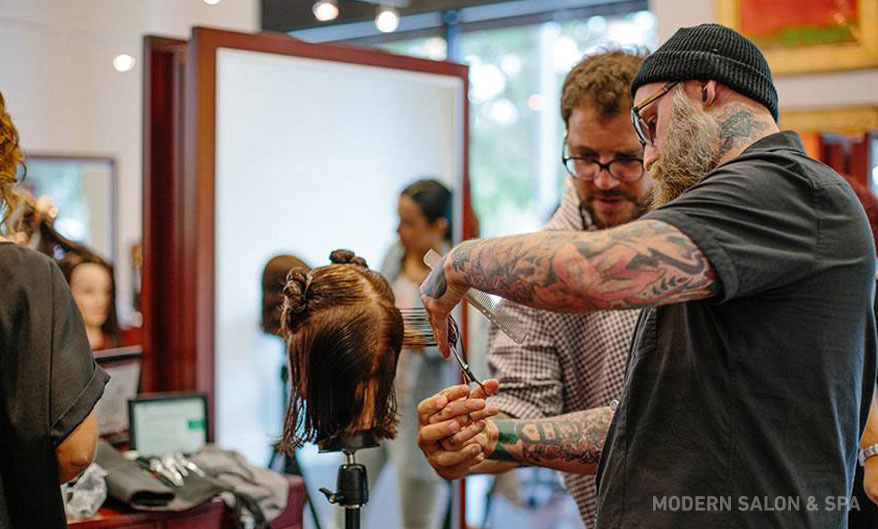
2. Practical, Hands-On Experience: A significant portion of cosmetology education is dedicated to practical, hands-on training. Students typically begin by working on mannequins, gradually progressing to supervised work on real clients in a school salon setting. This practical experience is invaluable, allowing students to hone their techniques, build speed, and gain confidence under the guidance of experienced instructors. It also simulates the real-world salon environment, preparing them for the pace and demands of the profession.
3. Duration and Accreditation: The length of cosmetology programs varies by state and institution, typically ranging from 1,000 to 1,600 hours of instruction, which can translate to 9 to 18 months of full-time study. It is critical for aspiring stylists to choose a program that is accredited by a recognized agency, as this ensures the quality of education and is often a prerequisite for state licensure.
The Legal Gateway: State Licensure
Upon successful completion of an accredited cosmetology program, the next non-negotiable step is obtaining a state license. Hair styling is a regulated profession, and every state in the U.S. (and most countries globally) requires stylists to be licensed to practice legally. This licensing process is designed to protect public health and safety by ensuring that practitioners meet a minimum standard of competence.
1. State Board Examinations: The licensing process typically involves passing a comprehensive examination administered by the state’s board of cosmetology. This exam usually consists of two parts:
- Written Examination: This theoretical component tests the candidate’s knowledge of cosmetology principles, including hair care, chemical services, sanitation, anatomy, and state laws and regulations.
- Practical Examination: This hands-on component requires candidates to demonstrate their proficiency in various services, such as haircutting, styling, chemical application, and sanitation procedures, often performed on mannequins or live models under timed conditions.
2. Continuing Education Requirements: Many states also mandate continuing education (CE) hours for license renewal. This requirement underscores the dynamic nature of the beauty industry, ensuring that stylists stay updated on new techniques, products, health regulations, and safety protocols. CE can be fulfilled through workshops, seminars, online courses, or trade shows.
Beyond the Classroom: The Lifelong Learning Curve
While formal education and licensing provide the essential foundation, the education of a truly successful hair stylist is a continuous, lifelong journey. The beauty industry is constantly evolving, driven by fashion trends, technological advancements, and new product innovations.
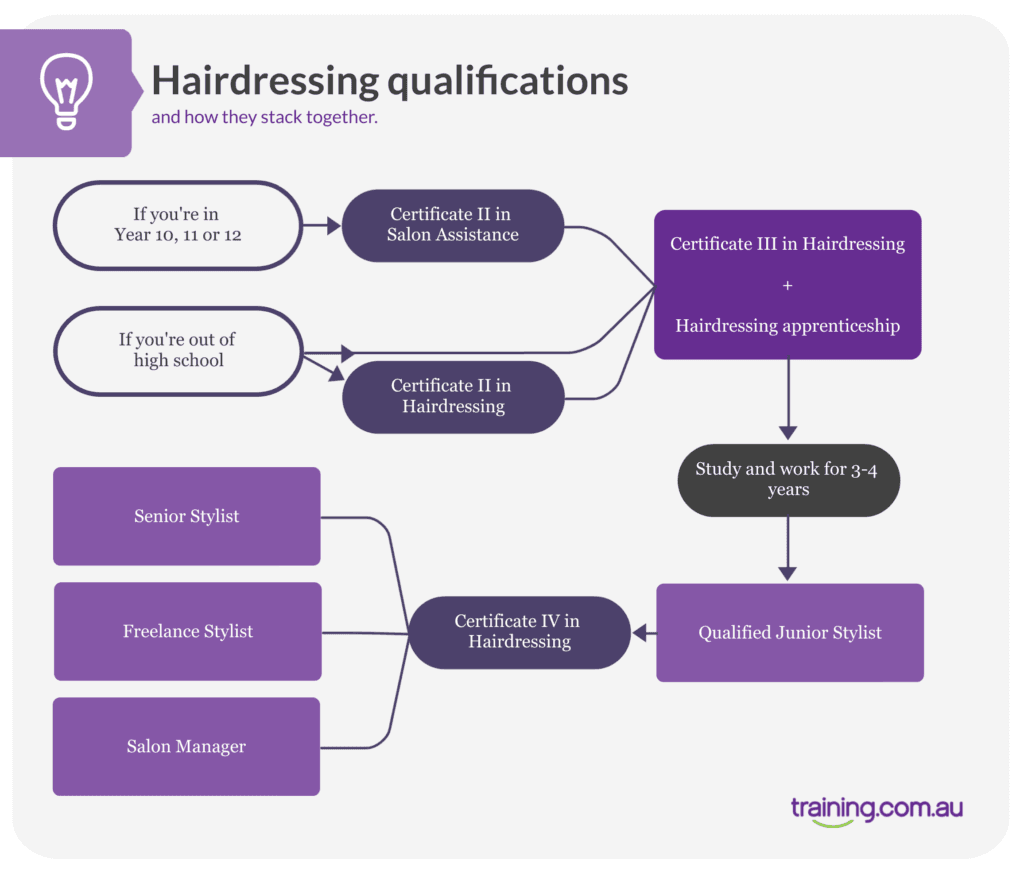
1. Apprenticeships and Assistantships: After cosmetology school, many aspiring stylists choose to work as assistants or apprentices in established salons. This invaluable experience bridges the gap between theoretical knowledge and real-world application. Under the mentorship of experienced stylists, assistants learn:
- Salon Operations: The flow of a busy salon, client scheduling, inventory management, and customer service protocols.
- Advanced Techniques: Observing and assisting with complex color corrections, intricate up-dos, and specialized cutting methods.
- Product Knowledge: Gaining a deeper understanding of professional product lines, their ingredients, and how to recommend them effectively.
- Client Management: Learning how to build a loyal clientele, handle difficult situations, and maintain professionalism.
2. Advanced Education and Specialization: The most successful stylists never stop learning. They actively seek out advanced education opportunities to refine their skills and specialize in niche areas:
- Workshops and Seminars: Attending classes taught by industry leaders, brand educators, or celebrity stylists to learn the latest cutting-edge techniques in coloring (e.g., balayage, vivids), extensions, texture services, or bridal styling.
- Certifications: Earning certifications in specific product lines (e.g., Keratin Complex, Olaplex) or specialized services (e.g., hair extensions, corrective color).
- Trend Forecasting: Staying abreast of fashion trends, social media influences, and pop culture to anticipate client demands and offer relevant styles. This involves following industry publications, attending trade shows, and engaging with online communities.
3. The Science of Hair (Deeper Dive): A truly exceptional stylist possesses an almost scientific understanding of hair. This goes beyond basic trichology to include:
- Advanced Hair Chemistry: Understanding how different chemicals interact with various hair types, porosity levels, and previous treatments. This knowledge is critical for preventing damage and achieving desired results, especially in complex color or texture services.
- Hair Structure and Health: A deep comprehension of the hair’s cuticle, cortex, and medulla, and how external factors (heat, chemicals, environment) affect its integrity.
4. The Art of Hair (Refinement): While creativity is innate, artistic skills can be honed and refined:
- Color Theory: A sophisticated understanding of the color wheel, undertones, and how to mix custom shades to achieve specific results and neutralize unwanted tones.
- Form and Balance: Developing an eye for how different haircuts and styles complement various face shapes, body types, and personal aesthetics.
- Creative Vision: The ability to conceptualize a look, translate a client’s often vague desires into a concrete style, and execute it with precision and flair.
5. The Business of Hair (Entrepreneurial Skills): For many stylists, the goal is not just to cut hair but to build a thriving business. This requires a robust set of entrepreneurial skills:
- Marketing and Self-Promotion: Building a strong personal brand, utilizing social media (Instagram, TikTok) to showcase work, and developing effective marketing strategies to attract and retain clients.
- Client Relationship Management: Cultivating strong, long-term relationships with clients through exceptional service, personalized attention, and effective follow-up.
- Financial Literacy: Understanding pricing strategies, managing expenses, tracking income, and potentially navigating booth rental agreements or salon ownership.
- Time Management and Scheduling: Efficiently managing appointments, balancing client needs with personal time, and optimizing productivity.
6. Essential Soft Skills: Often overlooked but critically important, soft skills differentiate a good stylist from a truly great one:
- Active Listening and Empathy: The ability to truly hear and understand a client’s needs, even when they struggle to articulate them, and to empathize with their hair concerns.
- Patience and Problem-Solving: Working with diverse hair types and client personalities requires immense patience. Stylists must also be adept at troubleshooting unexpected challenges during services.
- Professionalism and Ethics: Maintaining a professional demeanor, adhering to ethical standards, respecting client confidentiality, and upholding the salon’s reputation.
- Physical Stamina and Dexterity: Hair styling is physically demanding, requiring long hours on one’s feet, repetitive motions, and fine motor skills. Maintaining physical well-being is part of a stylist’s ongoing "education."
Conclusion: A Career Forged in Continuous Learning
The journey to becoming a proficient and successful hair stylist is a testament to the power of comprehensive education. It begins with the structured, foundational knowledge gained in an accredited cosmetology program, leading to the crucial step of state licensure. However, the true mastery of the craft extends far beyond these initial requirements. It is a dynamic process of continuous learning, embracing advanced techniques, deepening scientific understanding, honing artistic vision, and developing astute business acumen.
A hair stylist is not merely someone who wields scissors and brushes; they are artists, scientists, therapists, and entrepreneurs, all rolled into one. Their education is a rich tapestry woven from formal instruction, hands-on experience, mentorship, and an unyielding passion for staying at the forefront of their ever-evolving industry. For those considering this rewarding path, understanding the breadth and depth of education required is the first, vital step towards a career that is as challenging as it is creatively fulfilling.