Hair is more than just a biological appendage; it is a powerful form of self-expression, a canvas for creativity, and a reflection of personal identity. The way we choose to cut and style our hair can dramatically alter our appearance, convey our mood, and even influence how we are perceived by the world. From audacious short crops to flowing, luxurious lengths, the world of hair cutting offers an astonishing array of possibilities. Understanding these styles, their nuances, and the factors that influence their suitability is key to unlocking your hair’s full potential.
This article delves into the diverse universe of hair cutting styles, exploring classic, contemporary, and avant-garde options for all lengths, textures, and personal preferences. We will examine the characteristics of each style, discuss who they typically suit, and touch upon the considerations that go into choosing the perfect cut.
The Foundation of a Great Cut: More Than Just Aesthetics
Before diving into specific styles, it’s crucial to understand that a truly great haircut is not just about aesthetics; it’s a careful balance of several factors:
- Face Shape: Different cuts can enhance or soften features, balance proportions, and frame the face in the most flattering way.
- Hair Texture: Straight, wavy, curly, coily, fine, thick – each texture behaves differently and requires specific cutting techniques to achieve the desired result and manageability.
- Hair Density: The number of individual hair strands on your head affects how a cut will lay and move.
- Lifestyle & Maintenance: Some cuts require daily styling and frequent trims, while others are wash-and-go. Your daily routine and willingness to invest time in styling are critical.
- Personal Style & Profession: Your haircut should align with your overall aesthetic and, if applicable, your professional environment.
A skilled stylist will consider all these elements during a thorough consultation, ensuring the chosen style is not only beautiful but also practical and harmonious with your unique characteristics.
Short Hair: Bold Statements & Effortless Chic
Short haircuts are synonymous with confidence, edge, and often, a refreshing sense of liberation. They highlight facial features and can be incredibly versatile despite their length.
-
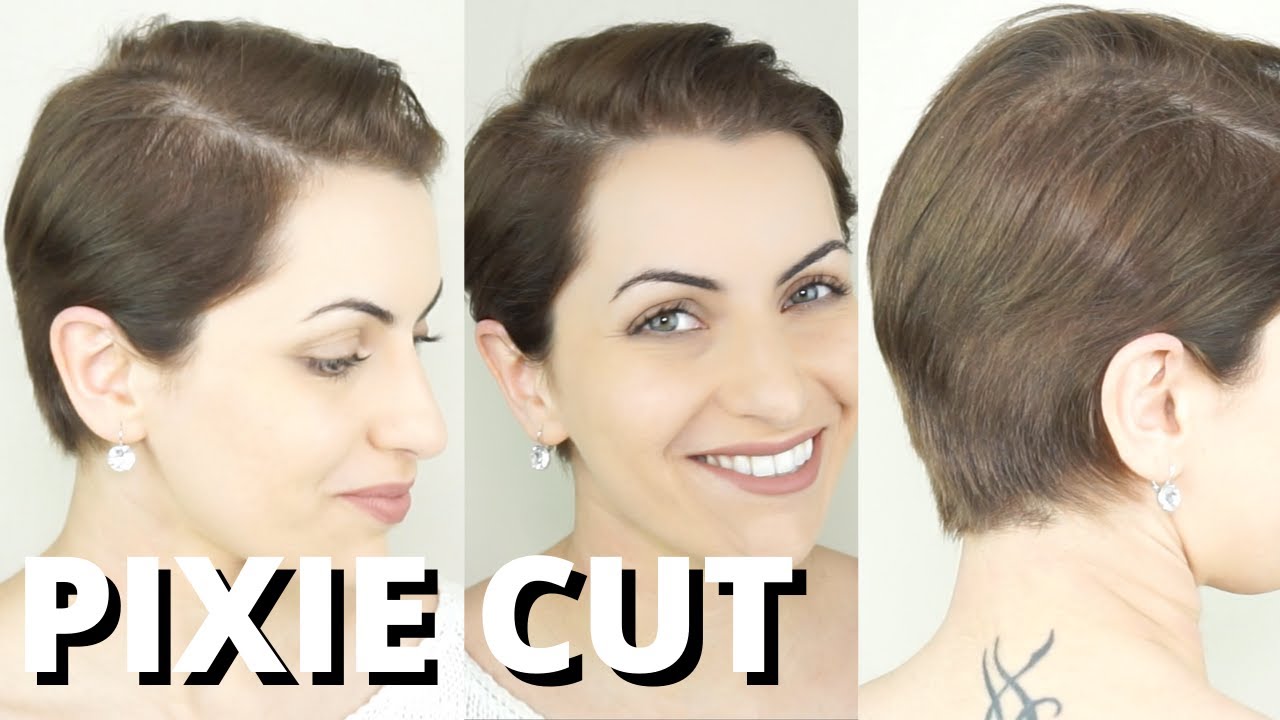
The Pixie Cut:
- Description: A classic, short, close-cropped cut, typically shorter on the back and sides and slightly longer on top.
- Variations:
- Classic Pixie: Neat, elegant, often with side-swept bangs.
- Long Pixie: A softer version with more length on top, allowing for styling versatility (e.g., messy, slicked back, or swept to the side).
- Choppy Pixie: Textured layers create a playful, edgy look.
- Gamine Pixie: Very short, reminiscent of Audrey Hepburn, emphasizing delicate features.
- Suits: Oval, heart, and square face shapes. Can be adapted for round faces with strategic layering and side-swept bangs. Works well with fine to medium hair, but can also be adapted for curls.
- Maintenance: Requires regular trims (every 4-6 weeks) to maintain its shape. Styling can be minimal or involve texturizing products for added definition.
-
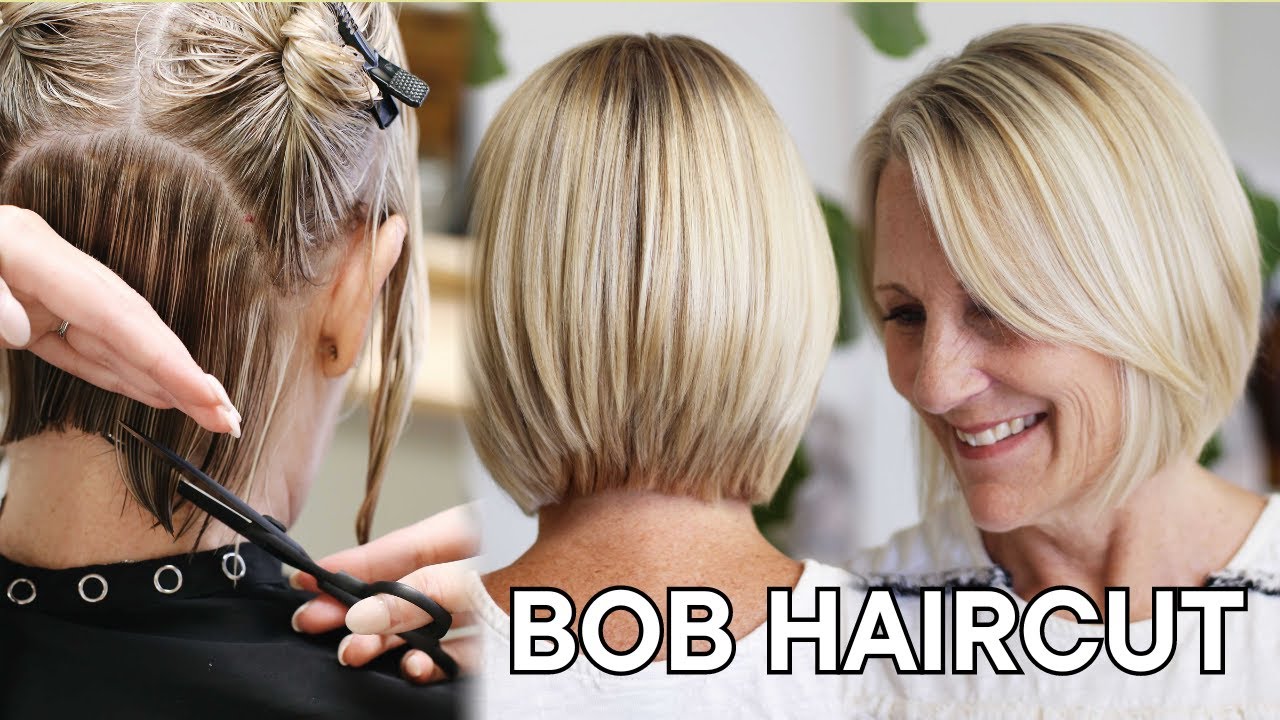
The Bob:
- Description: A timeless cut that falls anywhere between the chin and the collarbone, typically cut blunt or with subtle layering.
- Variations:
- Blunt Bob: All one length, creating a sharp, clean line. Ideal for showcasing healthy, thick hair.
- Graduated Bob (A-Line Bob): Shorter in the back and gradually longer towards the front, creating a stacked effect at the nape. Adds volume and shape.
- French Bob: A shorter, often chin-length bob, typically paired with blunt bangs, exuding a chic, effortless vibe.
- Asymmetrical Bob: One side is noticeably longer than the other, adding an edgy, modern twist.
- Suits: Extremely versatile, suiting most face shapes depending on the length and angle. Can be adapted for various hair textures, though very curly hair might require specific layering to avoid a "bell" shape.
- Maintenance: Trims every 6-8 weeks to maintain shape. Styling varies from sleek and straight to textured waves.
-
The Buzz Cut / Crew Cut:
- Description: The ultimate low-maintenance cut, where hair is clipped very short, often with clippers of a single guard length, or slightly longer on top (crew cut).
- Variations:
- Full Buzz: Uniformly short all over.
- Fade Buzz: Buzz cut with a fade on the sides and back.
- Crew Cut: Slightly longer on top, allowing for a bit of styling.
- Suits: Oval, square, and heart-shaped faces. Highlights strong bone structure. Ideal for those seeking ultimate simplicity or dealing with thinning hair.
- Maintenance: Very low daily styling, but requires frequent trims (every 2-4 weeks) to maintain the desired length.
-
The Undercut / Side Shave:
- Description: A portion of the hair (usually the sides and/or back) is cut very short or shaved, while the hair on top remains significantly longer.
- Variations:
- Disconnected Undercut: A clear, sharp line separates the long top from the shaved sides.
- Faded Undercut: The shaved sides gradually fade into the longer top.
- Side Shave: Only one side of the head is shaved.
- Nape Undercut: A hidden undercut at the nape of the neck, often with designs.
- Suits: Can be adapted for most face shapes. Offers a bold contrast and allows for versatility in styling the longer top section.
- Maintenance: Regular trims to maintain the shaved sections. Styling depends on the length of the top hair.
Medium Hair: Versatility & Grace
Medium-length hair, typically falling between the chin and the collarbone, offers the best of both worlds: enough length for styling versatility without the high maintenance of very long hair.
-
The Lob (Long Bob):
- Description: A longer version of the classic bob, usually falling between the collarbone and the shoulders.
- Variations: Can be blunt, layered, or asymmetrical. Often styled with soft waves (the "wavy lob" or "wob") for a relaxed, modern look.
- Suits: Universally flattering for almost all face shapes and hair textures. It’s a fantastic transitional cut for those growing out a bob or considering going shorter.
- Maintenance: Relatively low, allowing for air-drying or simple styling. Trims every 8-10 weeks.
-
The Shag:
- Description: A heavily layered cut characterized by choppy, feathered layers around the crown, sides, and back, often paired with bangs. It creates volume and movement with a rock-and-roll edge.
- Variations: Can range from subtle, soft shags to more dramatic, disconnected layers. Often includes curtain bangs or full fringes.
- Suits: Oval, long, and heart-shaped faces. Excellent for adding volume to fine hair or enhancing natural waves and curls.
- Maintenance: Embraces a slightly messy, undone look, making it relatively low-maintenance for daily styling. Regular trims (every 6-8 weeks) to maintain layers.
-
Collarbone Cut:
- Description: A simple, elegant cut that hits precisely at the collarbone. It can be blunt or have subtle layers.
- Suits: A universally flattering length that works well for most face shapes and hair textures. It’s long enough to tie up but short enough to feel light.
- Maintenance: Easy to manage. Can be air-dried or styled.
-
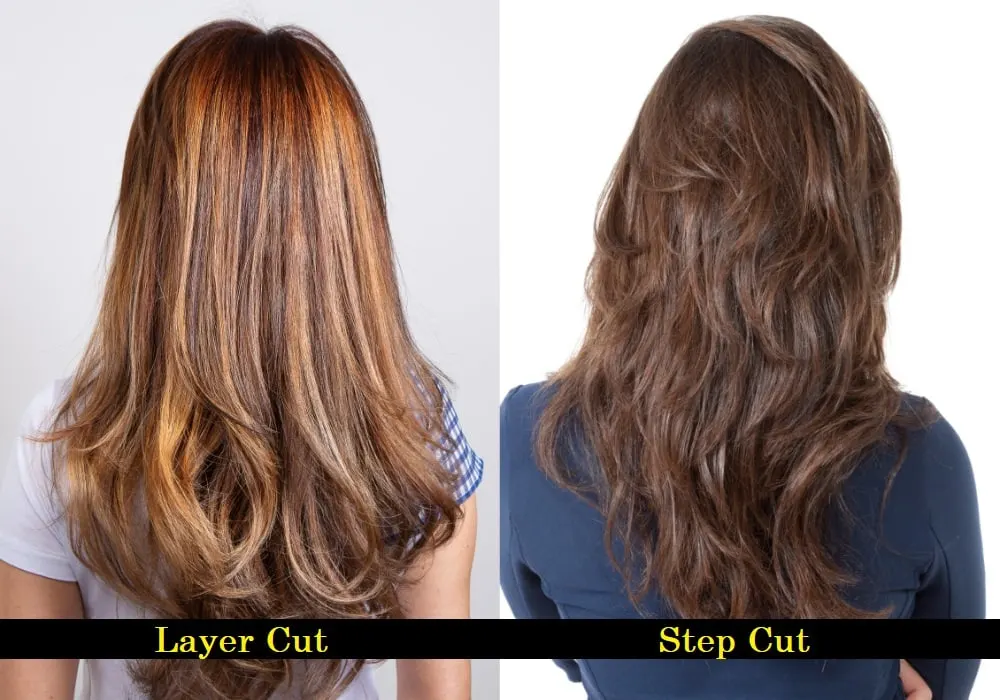
Layered Cuts (General Medium Length):
- Description: Adding layers to medium-length hair creates movement, reduces bulk, and can add volume.
- Variations:
- Face-Framing Layers: Shorter layers around the face to soften features and add dimension.
- Long Layers: Subtly cut layers throughout the length to add movement without losing too much weight.
- Internal Layers: Layers cut within the hair, not visible on the surface, to remove bulk.
- Suits: Almost everyone. The type and placement of layers are customized based on hair texture, density, and desired outcome.
- Maintenance: Varies depending on the complexity of layers.
Long Hair: Timeless Elegance & Dramatic Flair
Long hair, typically falling past the collarbone, offers immense styling potential, from sleek and sophisticated to bohemian and free-spirited. The cut is crucial for managing weight, enhancing texture, and preventing a flat, shapeless look.
-
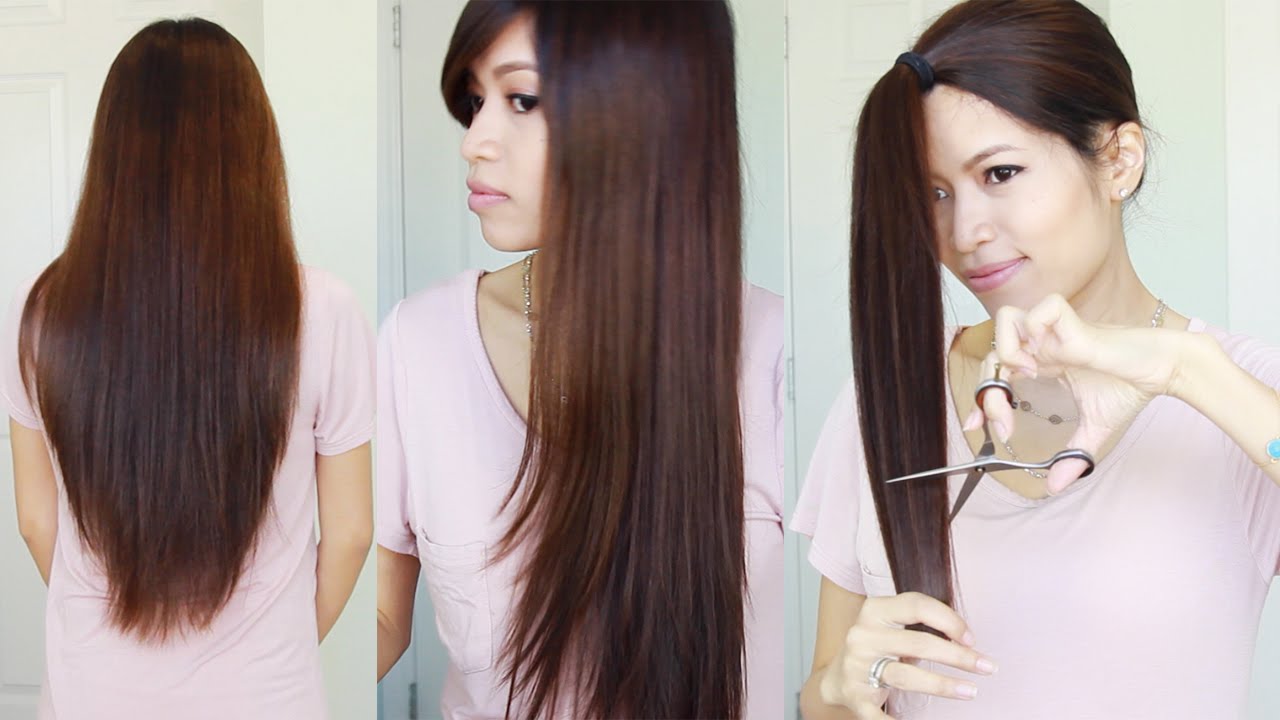
Long Layers:
- Description: The most common and versatile cut for long hair. Layers are strategically cut throughout the length, with the shortest layers often starting around the chin or collarbone.
- Purpose: Adds movement, volume, and shape; removes bulk; prevents the "triangle" effect (where hair is flat on top and wide at the bottom).
- Variations: Can be subtle or more dramatic, with various lengths of layers to create different effects. Often paired with face-framing layers or bangs.
- Suits: All face shapes and hair textures. Essential for thick hair to manage weight and for fine hair to create the illusion of volume.
- Maintenance: Trims every 10-12 weeks to maintain layers and remove split ends.
-
Blunt Cut (One-Length):
- Description: Hair is cut to a single, uniform length all around, creating a strong, sharp line at the bottom.
- Suits: Best for straight or slightly wavy hair that is medium to thick in density. Ideal for showcasing healthy, glossy hair. Can make fine hair appear thicker.
- Maintenance: Requires regular trims (every 8-10 weeks) to keep the line sharp and prevent split ends from traveling up the shaft.
-
V-Cut / U-Cut:
- Description: The ends of the hair are cut in a V-shape or a softer U-shape, with the longest point in the center back.
- Purpose: Creates a beautiful, flowing shape for long hair, allowing for movement and preventing a heavy, blocky look. The V-cut is more dramatic, while the U-cut is softer.
- Suits: Best for long, layered hair, especially those with natural waves or curls, as it enhances the natural flow.
- Maintenance: Similar to long layers, regular trims to maintain the shape.
-
Fringe / Bangs (Applicable to all lengths, but often complements long hair):
- Description: Hair cut shorter at the front, falling over the forehead.
- Variations:
- Blunt Bangs: Straight across the forehead, creating a bold statement.
- Wispy Bangs: Soft, feathered, and often slightly see-through.
- Curtain Bangs: Longer bangs parted in the middle and swept to the sides, framing the face like curtains.
- Side-Swept Bangs: Longer bangs swept to one side.
- Micro Bangs: Very short, above the eyebrows.
- Suits: Varies greatly by type. Curtain bangs are universally flattering. Blunt bangs suit oval and long faces.
- Maintenance: Requires frequent trims (every 2-4 weeks) to maintain length and shape.
Gender-Neutral & Specialized Cuts
The lines between traditionally "male" and "female" haircuts have blurred, giving rise to many gender-neutral and specialized styles.
-
Fades & Tapers:
- Description: Techniques where hair gradually transitions from very short (or shaved) at the bottom to longer lengths towards the top.
- Variations:
- Skin Fade: Fades down to bare skin.
- Low Fade: Fade starts just above the ears.
- Mid Fade: Fade starts around the temples.
- High Fade: Fade starts high on the head.
- Taper: A softer, less dramatic transition than a fade, usually leaving more length at the very bottom.
- Suits: All face shapes. Highly customizable and popular across all genders for a clean, sharp look.
- Maintenance: Requires frequent barber visits (every 1-3 weeks) to maintain the crispness of the fade.
-
The Modern Mullet:
- Description: A contemporary take on the "business in the front, party in the back" style. Shorter on the sides and top, with significant length left at the back.
- Variations: Can be subtle and textured or bold and disconnected. Often paired with bangs or face-framing layers.
- Suits: Oval, long, and heart-shaped faces. Best for those with a bold, edgy personal style.
- Maintenance: Varies depending on the desired level of "messiness" or precision.
-
Asymmetrical Cuts:
- Description: Any cut where one side is intentionally longer or styled differently than the other.
- Suits: Often chosen for artistic expression, adding an edgy and unique flair. Can be adapted to various lengths.
- Maintenance: Can require specific styling to maintain the asymmetry.
The Art of Personalization and Maintenance
Choosing a haircut is a deeply personal decision. While trends come and go, the most successful cuts are those that genuinely suit the individual.
- Consultation is Key: Always have an open and honest conversation with your stylist. Bring inspiration photos, but be open to their professional advice on what will work best for your hair type, face shape, and lifestyle.
- Consider Your Hair’s Natural State: Work with your hair’s natural texture, not against it. If you have curly hair, a cut designed for straight hair will be a daily battle.
- Factor in Styling Time: Be realistic about how much time you’re willing to dedicate to styling each day. A high-maintenance cut might look fantastic leaving the salon but become a frustration at home.
- Regular Trims: No matter the style, regular trims are essential for maintaining shape, preventing split ends, and keeping your hair healthy. The frequency depends on the cut and how quickly your hair grows.
In conclusion, the world of hair cutting styles is vast and exciting, offering endless possibilities for transformation and self-expression. From the timeless elegance of a bob to the daring statement of a pixie, each cut tells a story. By understanding the characteristics of various styles and considering your unique features and lifestyle, you can collaborate with your stylist to find the perfect cut that not only looks incredible but also empowers you to embrace your individuality with confidence and flair. Your hair is your crown – wear it with pride.