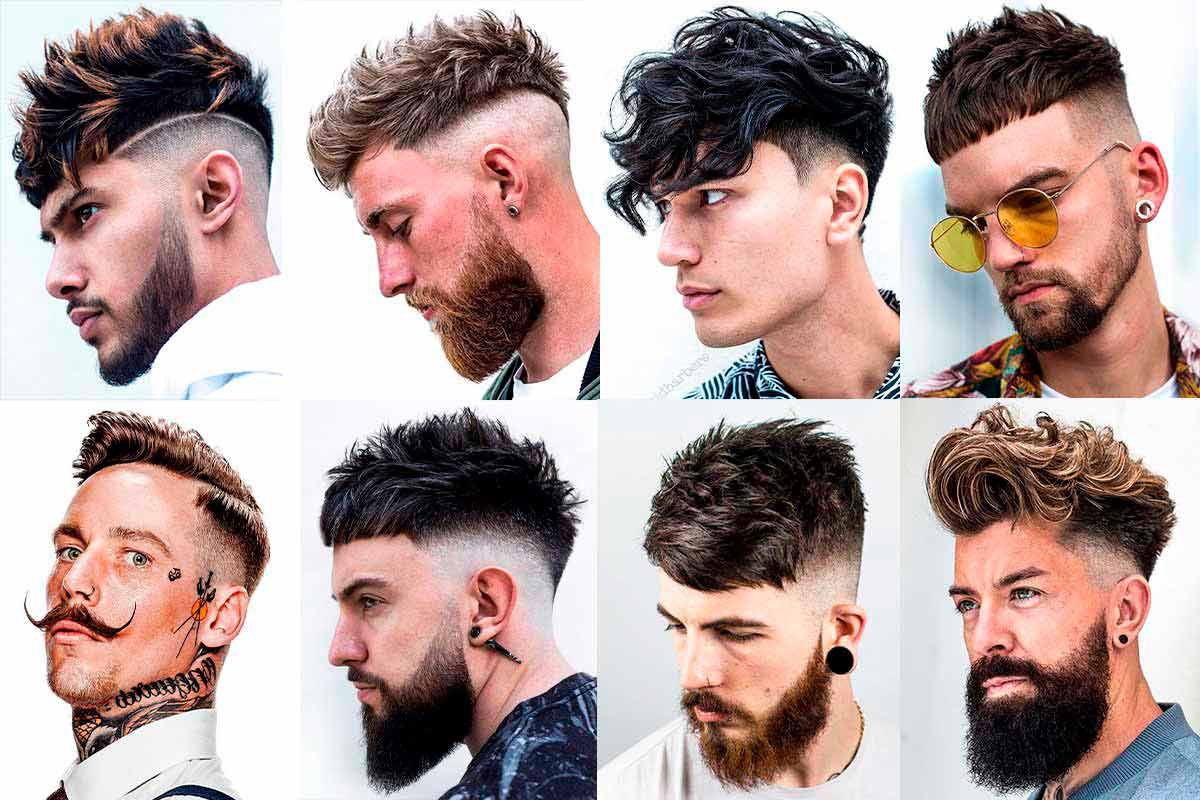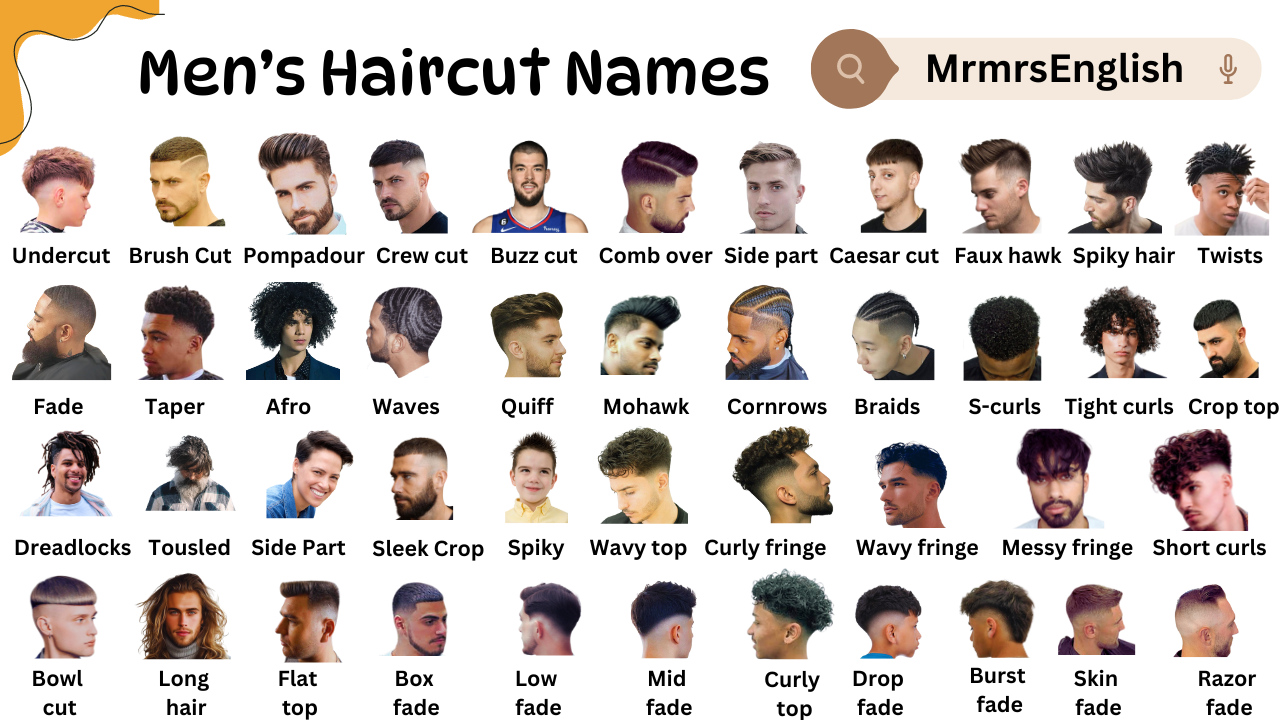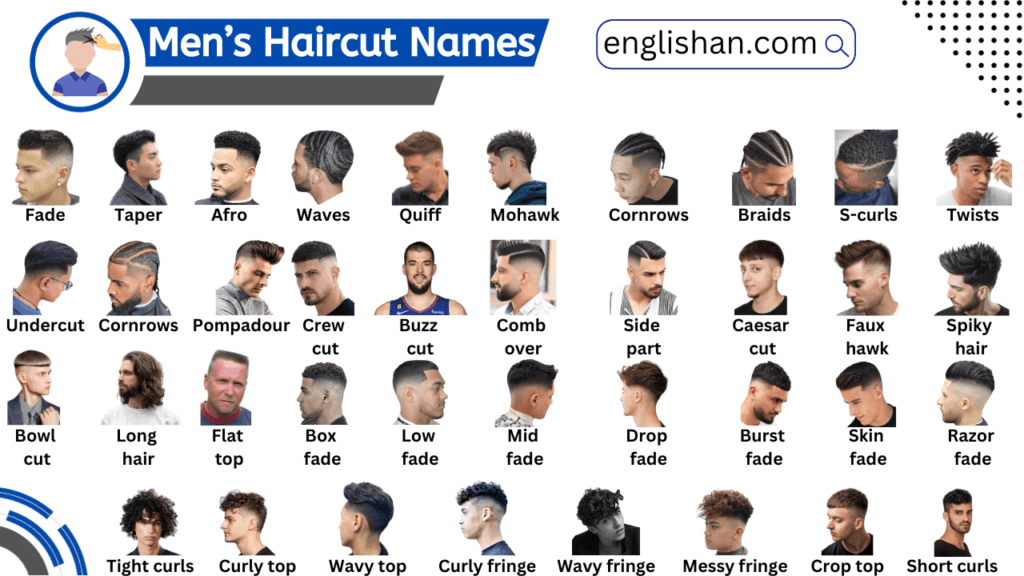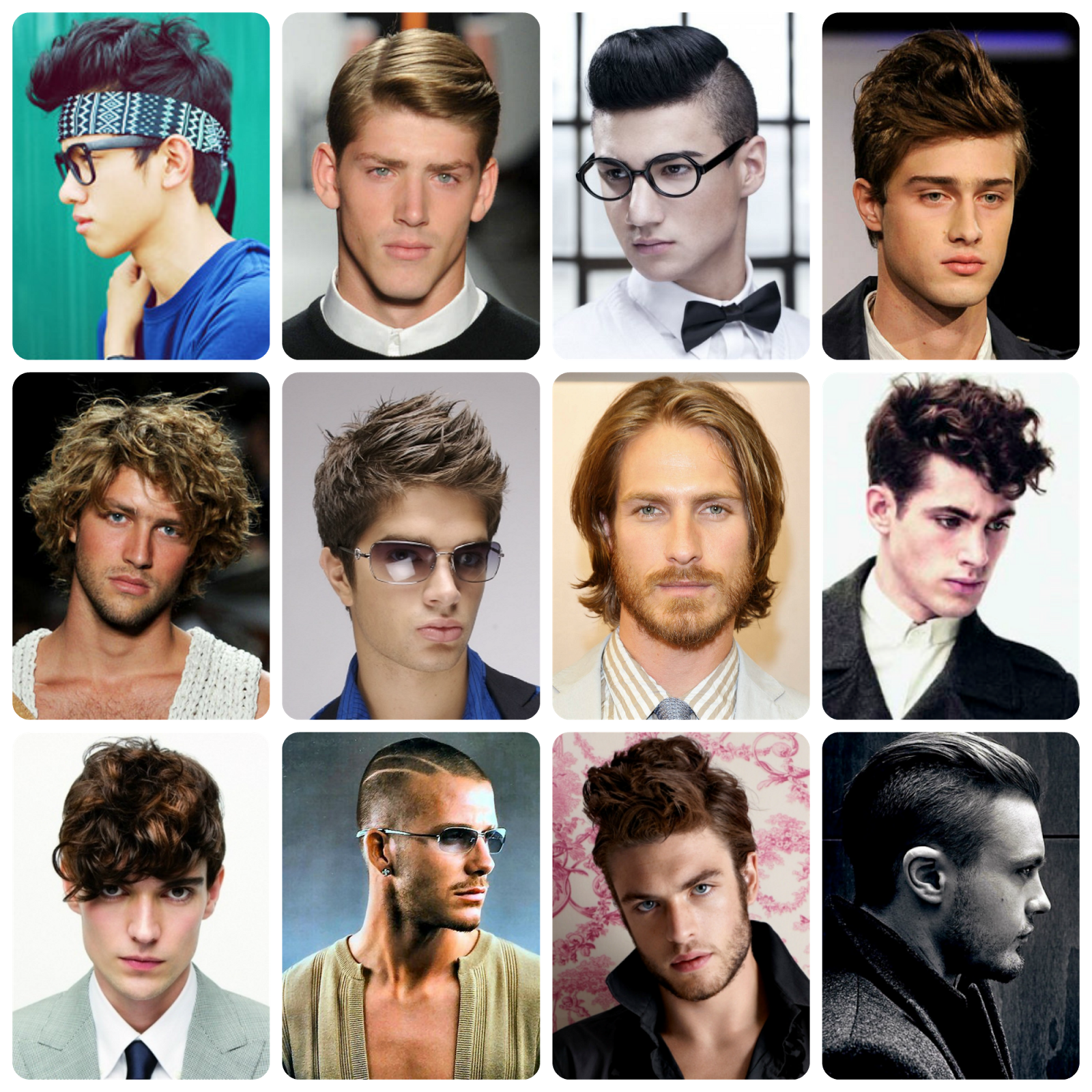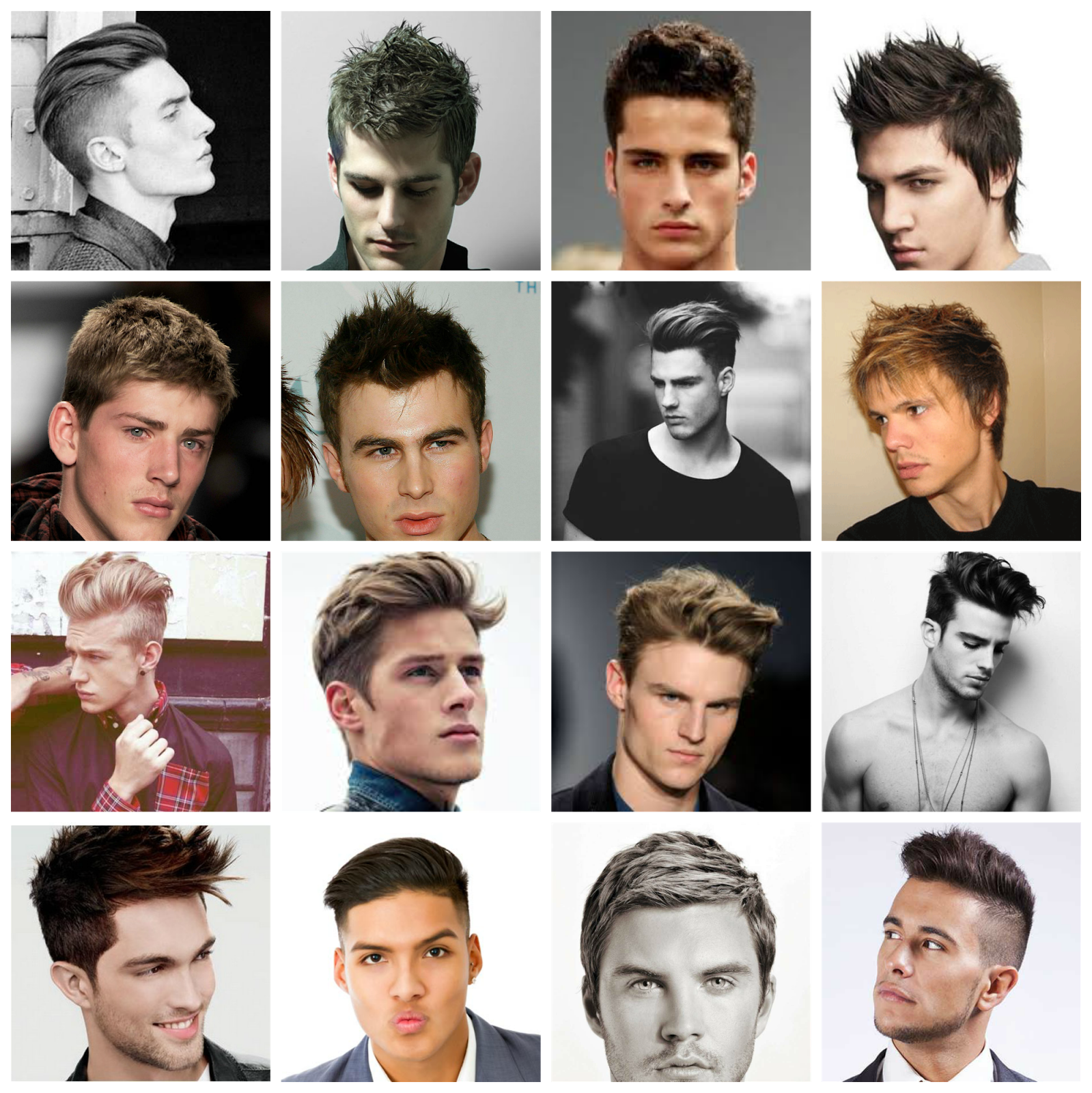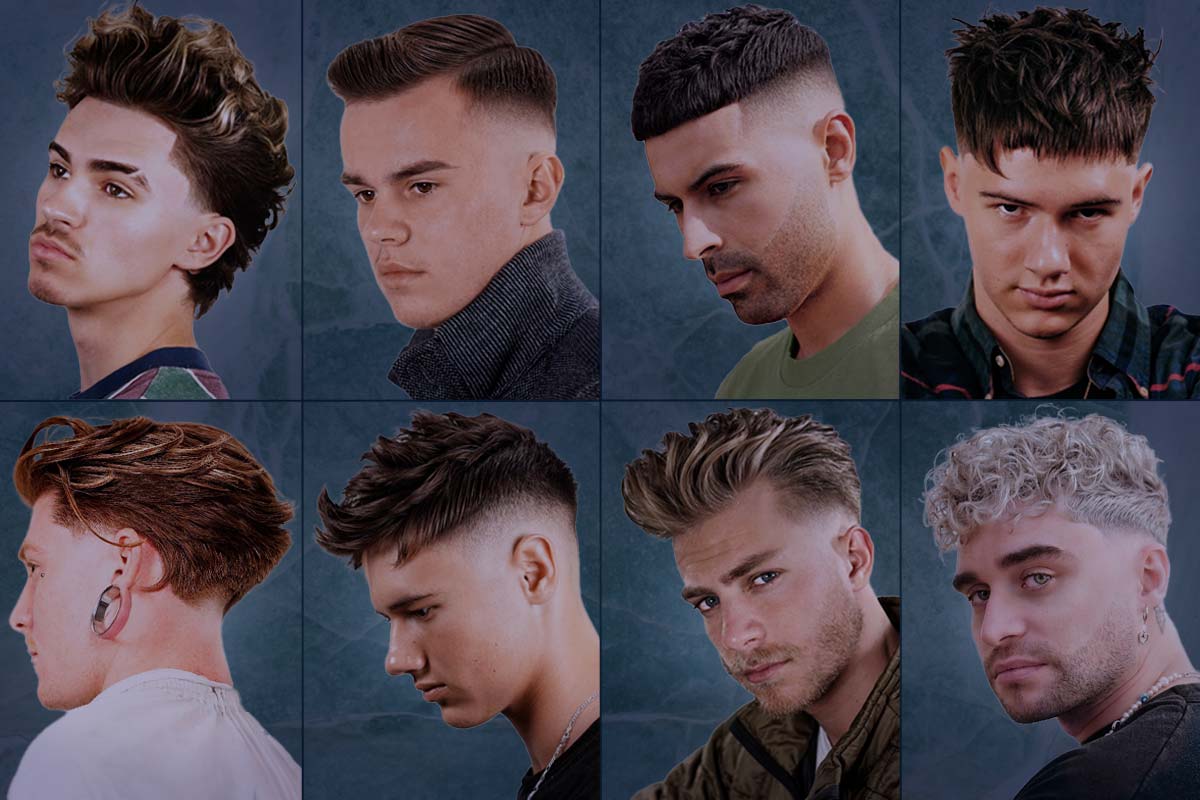
In an era where personal expression is paramount, a man’s hairstyle has evolved far beyond mere functionality. It’s a statement, a reflection of personality, lifestyle, and even ambition. From classic cuts that exude timeless elegance to modern, edgy styles that push boundaries, the landscape of men’s grooming offers an unprecedented array of choices. Navigating this diverse world requires understanding not just the names of cuts, but their characteristics, the hair types they suit best, and the effort required to maintain them. This comprehensive guide delves into the most popular and enduring types of guy hairstyles, empowering you to choose a look that truly defines you.
The Foundation: Understanding Key Terminology
Before diving into specific styles, it’s crucial to grasp some fundamental terms that barbers and stylists use:
- Fade: A gradual transition of hair length from very short (often skin-level) at the bottom to longer at the top. Fades can be high (starting near the temples), mid (around the ears), or low (just above the neckline).
- Taper: Similar to a fade but typically less drastic. A taper involves a subtle, gradual reduction in hair length, usually at the sideburns and neckline, without going down to the skin.
- Undercut: A style where the sides and back are cut very short or shaved, while the hair on top is left significantly longer. It can be "disconnected" (a sharp contrast) or "connected" (a softer blend).
- Fringe/Bangs: The hair at the front of the head that falls over the forehead.
- Texture: Refers to the natural pattern of the hair (straight, wavy, curly, coily) or a styling technique that adds definition and separation to the hair, often using products or specific cutting methods.
- Volume: The amount of lift and fullness in the hair, usually achieved through styling.
Short and Sharp: Efficiency Meets Style
Short hairstyles are perennially popular for their low maintenance, clean aesthetic, and versatility in professional and casual settings.
-
The Buzz Cut:
- Description: The ultimate in low-maintenance, the buzz cut involves uniform hair length all over the head, achieved with electric clippers. Lengths can vary from a military-grade "induction cut" (closest to the scalp) to slightly longer variations like a "burr" or "butch" cut.
- Key Characteristics: Extremely short, uniform, exposes the scalp.
- Ideal For: Men seeking minimal upkeep, those with thinning hair, or anyone wanting a bold, no-fuss look. It highlights facial features and jawlines.
- Styling Tips: Virtually none required beyond washing. Sun protection for the scalp is advisable.
- Maintenance: Very low, but requires frequent trims to maintain length.
-
The Crew Cut:
- Description: A classic, masculine cut where the hair on top is left slightly longer than the sides and back, gradually tapering in length from the front hairline to the crown. The front is typically the longest point.
- Key Characteristics: Tapered sides and back, slightly longer top, clean and neat.
- Ideal For: Most face shapes and hair types. It’s a versatile choice for professional environments and athletic lifestyles.
- Styling Tips: Minimal styling needed. A small amount of pomade or styling cream can add texture or a slight side part.
- Maintenance: Low to medium, requires regular trims to maintain its shape.
-
The Caesar Cut:
- Description: Inspired by Roman emperors, this cut features short hair all around, with a distinctive short, blunt fringe that is combed forward across the forehead.
- Key Characteristics: Short, uniform length, short forward fringe.
- Ideal For: Men with receding hairlines (the fringe helps conceal it), or those with angular features. Works well with straight or slightly wavy hair.
- Styling Tips: Easy to style; simply comb the fringe forward. A matte paste can add texture.
- Maintenance: Low, regular trims needed to keep the fringe sharp.
-
The French Crop:
- Description: A modern take on the Caesar, the French crop features short, often faded or undercut sides and back, paired with a slightly longer, textured top that is pushed forward to create a soft, choppy fringe.
- Key Characteristics: Short sides (often faded), textured top, forward-combed fringe.
- Ideal For: Men with thick hair who want to add texture and movement. It’s a stylish choice that suits many face shapes.
- Styling Tips: Use a matte clay or paste to create texture and push the fringe forward.
- Maintenance: Medium, requires regular trims to maintain the fade and fringe length.
-
The Textured Crop:
- Description: A highly popular contemporary style that combines short, often faded sides with a top that is cut with layers to create significant texture and volume. The top hair is usually styled forward or slightly messy.
- Key Characteristics: Strong contrast between short sides and textured top, versatile styling.
- Ideal For: Men with medium to thick hair who want a modern, stylish, and slightly edgy look.
- Styling Tips: Blow-dry hair forward, then use a matte clay or sea salt spray to enhance texture and separation.
- Maintenance: Medium, requires regular trims to keep the fade sharp and the top textured.
Medium Length: Versatility and Volume
Medium-length hairstyles offer a broader canvas for expression, allowing for more volume, movement, and styling variations.
-
The Quiff:
- Description: A timeless and sophisticated style characterized by hair that is longer at the front and gradually shortens towards the back, styled upwards and backwards to create significant volume and a wave-like shape.
- Key Characteristics: Volume at the front, swept back, clean sides (often tapered or faded).
- Ideal For: Men with medium to thick hair, especially those with oval or square face shapes. It exudes confidence and classic charm.
- Styling Tips: Requires blow-drying the front upwards and backwards for volume, then applying pomade or wax for hold and shine.
- Maintenance: Medium to high, daily styling is essential, and regular trims are needed to maintain the shape.
-
The Pompadour:
- Description: A more dramatic and voluminous version of the quiff, the pompadour features a significantly larger and higher front section of hair that sweeps back from the forehead. The sides are typically shorter and slicked back or faded.
- Key Characteristics: High volume at the front, exaggerated sweep, often with slicked or faded sides.
- Ideal For: Men who want a bold, statement-making style. Best suited for thick, manageable hair.
- Styling Tips: Requires considerable effort: blow-drying with a round brush for maximum volume, followed by a strong-hold pomade or wax.
- Maintenance: High, daily styling is crucial, and regular trims are needed to maintain the contrast and shape.
-
The Slick Back:
- Description: A classic, refined look where the hair is combed straight back from the forehead, often with a glossy finish. It can be worn with an undercut for a modern twist or with longer, blended sides for a more traditional feel.
- Key Characteristics: Hair combed straight back, often with a shiny finish.
- Ideal For: Men with straight or slightly wavy hair. It creates a sleek, sophisticated, and often edgy look, depending on the side length.
- Styling Tips: Apply a strong-hold pomade or gel to damp hair and comb straight back. For a modern slick back, pair with a disconnected undercut.
- Maintenance: Medium, daily styling required, and product can make hair feel heavy.
-
The Side Part:
- Description: A timeless and universally flattering style where the hair is parted on one side and combed smoothly into place. It can range from a very neat, classic look to a more relaxed, textured version.
- Key Characteristics: Defined part line, hair combed to the side.
- Ideal For: Almost all hair types and face shapes. It’s a versatile choice for both formal and casual settings.
- Styling Tips: Create a clean part with a comb. Use a light pomade or styling cream for a neat look, or a matte paste for more texture.
- Maintenance: Low to medium, depending on the desired neatness.
-
The Disconnected Undercut:
- Description: A bold and high-contrast style where the hair on the top is kept long, while the sides and back are either shaved or cut very short, with no gradual transition (hence "disconnected").
- Key Characteristics: Sharp contrast between long top and short/shaved sides, no blending.
- Ideal For: Men who want a striking, modern, and edgy look. It suits those with thick hair who want to showcase the length on top.
- Styling Tips: The top can be styled in various ways: slicked back, a quiff, a messy textured look, or a top knot. Requires strong-hold products.
- Maintenance: Medium to high, requires frequent trims to maintain the sharp disconnection.
Long and Flowing: Embracing Natural Length
Longer hairstyles for men have made a significant comeback, offering a sense of freedom, ruggedness, and unique personal style. They require patience to grow and dedicated care.
-
The Long Flow:
- Description: Characterized by hair that is grown out to a significant length (often shoulder-length or longer) and allowed to flow naturally. It often features layers to reduce bulk and add movement.
- Key Characteristics: Natural, free-flowing, often wavy or curly, minimal styling.
- Ideal For: Men with naturally wavy or curly hair who want to embrace their texture. It conveys a relaxed, artistic, or rugged vibe.
- Styling Tips: Focus on healthy hair. Use moisturizing shampoos and conditioners. A sea salt spray can enhance natural waves. Avoid excessive heat styling.
- Maintenance: Medium, requires regular conditioning and occasional trims to remove split ends.
-
The Man Bun:
- Description: A practical and stylish way to manage long hair, where the hair is gathered and tied into a bun at the crown or nape of the neck. It can be neat and tight or loose and messy.
- Key Characteristics: Hair tied into a bun, requires sufficient length.
- Ideal For: Men with long hair who want a convenient way to keep it out of their face while maintaining a stylish look.
- Styling Tips: Simple: gather hair and secure with an elastic. Can be paired with an undercut for a "top knot" variation.
- Maintenance: Low, once the hair is long enough.
-
Ponytail:
- Description: Similar to the man bun in practicality, the ponytail involves gathering all the hair and securing it with an elastic at the back of the head.
- Key Characteristics: Hair tied back, simple, functional.
- Ideal For: Any man with hair long enough to tie back.
- Styling Tips: Can be high, low, neat, or messy.
- Maintenance: Low.
-
Dreadlocks:
- Description: A distinct and culturally significant hairstyle formed by matting or braiding strands of hair into rope-like sections. They can vary in thickness and length.
- Key Characteristics: Matted or braided sections of hair, long-term commitment.
- Ideal For: All hair types, though most commonly seen on textured (curly/coily) hair. Requires significant commitment and specific maintenance.
- Styling Tips: Requires specialized products and techniques for locking and maintenance. Can be styled into updos, ponytails, or left loose.
- Maintenance: High, requires regular "retwisting" or "re-locing" to maintain neatness and prevent unraveling.
-
Braids (Cornrows, Box Braids, etc.):
- Description: Involves interweaving three or more strands of hair to create intricate patterns close to the scalp (cornrows) or individual braided sections (box braids).
- Key Characteristics: Intricate patterns, protective style, can be temporary or long-lasting.
- Ideal For: Textured hair types. Offers a protective style that can last for weeks, reducing daily styling.
- Styling Tips: Best done by a professional braider. Requires moisturizing and scalp care.
- Maintenance: Medium, depending on the style. Can be low daily maintenance but requires professional installation and removal.
Beyond the Cut: Factors to Consider
Choosing the right hairstyle isn’t just about what looks good in a picture; it’s about what works for you.
-
Hair Type:
- Straight Hair: Holds shape well, great for slick backs, quiffs, and clean parts. Can look flat if not cut with texture.
- Wavy Hair: Offers natural volume and movement, perfect for textured crops, quiffs, and longer flows. Can be prone to frizz.
- Curly Hair: Has inherent volume and bounce. Best suited for styles that embrace its natural texture, like longer fades, natural afros, or crops that allow curls to form. Shrinkage is a factor.
- Coily Hair: Dense, often very voluminous, and prone to shrinkage. Ideal for fades, natural afros, dreadlocks, and braids. Requires significant moisture.
-
Face Shape:
- Oval: Considered ideal, can pull off almost any style.
- Round: Benefit from height on top to elongate the face (e.g., quiff, pompadour).
- Square: Can rock sharp lines and fades, or softer styles to balance strong features.
- Oblong/Rectangle: Avoid excessive height on top; opt for styles with more width on the sides or a fringe.
- Heart: Can balance a wider forehead with volume on the sides or a fringe.
- Diamond: Can soften angularity with longer hair or fringes.
-
Lifestyle and Profession:
- A corporate professional might opt for a neat side part or a classic crew cut, while a creative individual might embrace a disconnected undercut or a long flow. Consider how much time you’re willing to spend styling daily.
-
Maintenance Commitment:
- Some styles, like the buzz cut, are wash-and-go. Others, like the pompadour, require daily styling with specific products and tools. Be realistic about your routine.
-
Consult Your Barber:
- A skilled barber or stylist is your best resource. They can assess your hair type, growth patterns, and face shape, and recommend styles that will genuinely suit you. Don’t be afraid to bring reference photos, but be open to their professional advice.
Conclusion
The world of men’s hairstyles is dynamic and exciting, offering an endless array of possibilities for self-expression. From the sharp precision of a fade to the relaxed elegance of a long flow, each style carries its own unique character and requires a different approach to cutting and care. By understanding the nuances of various cuts, considering your hair type and face shape, and communicating effectively with your barber, you can unlock the full potential of your hair. Your hairstyle is more than just hair; it’s an integral part of your personal brand, a powerful tool for confidence, and a reflection of the man you are and aspire to be. So, step into the barber’s chair with confidence, explore the possibilities, and embrace the art of the cut.