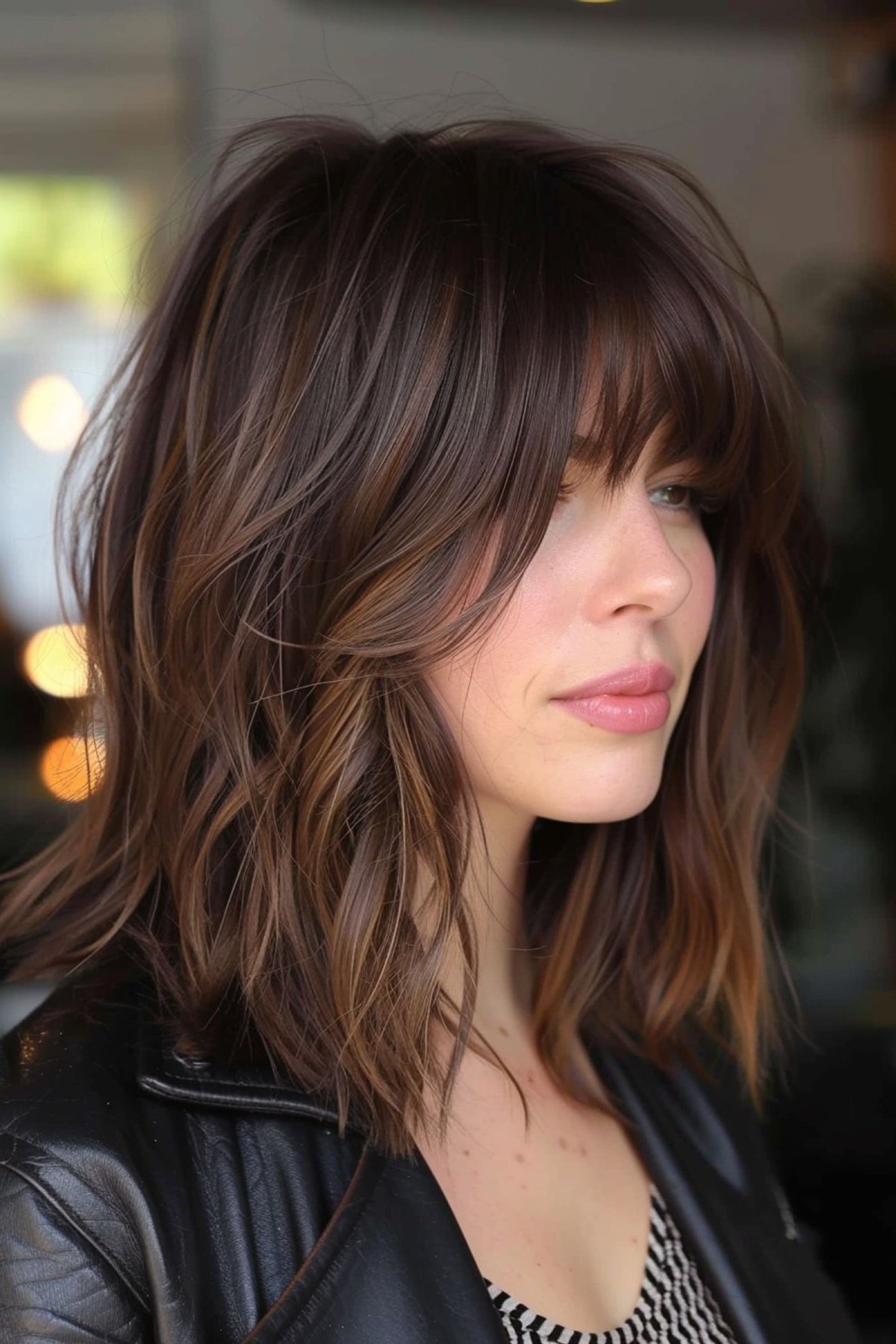
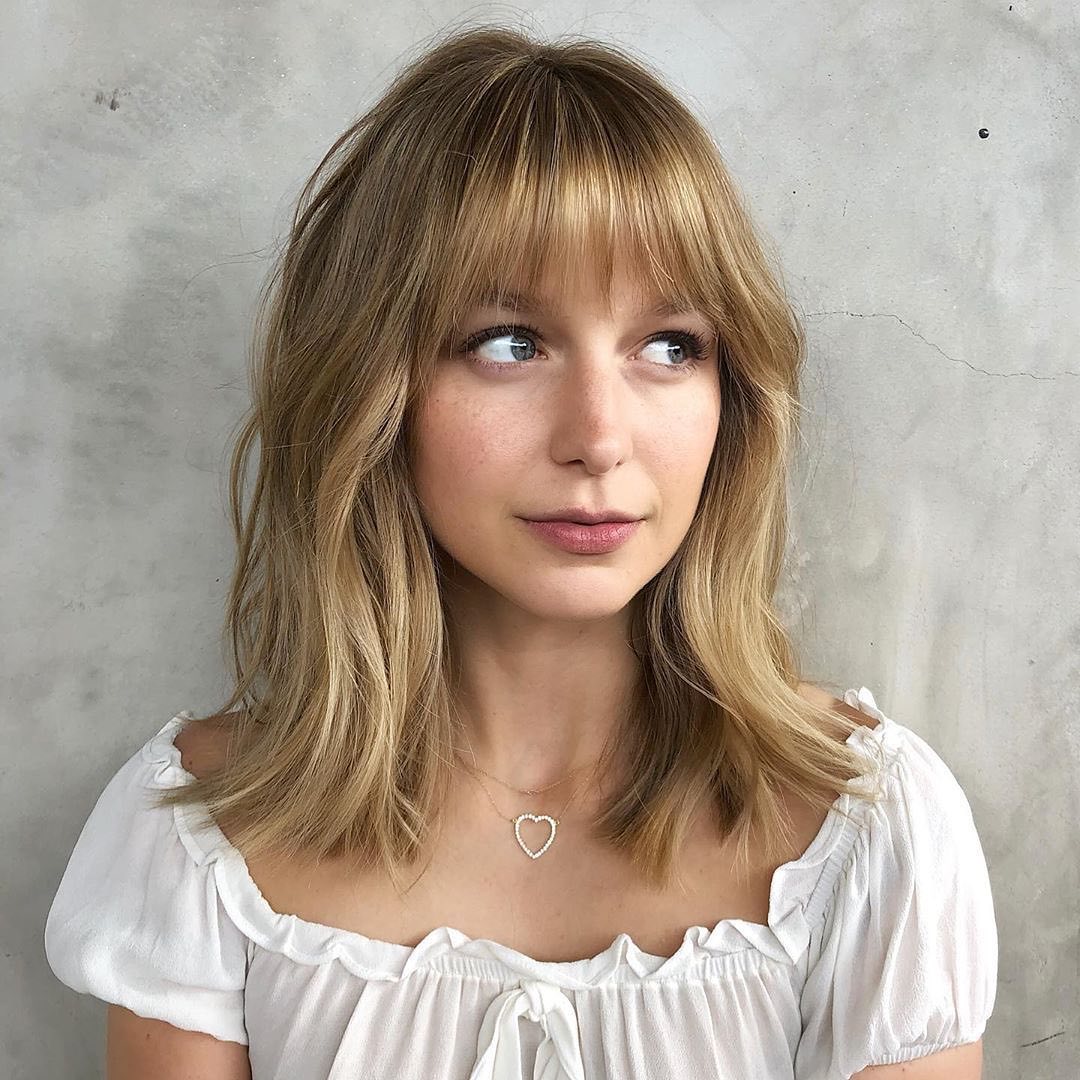
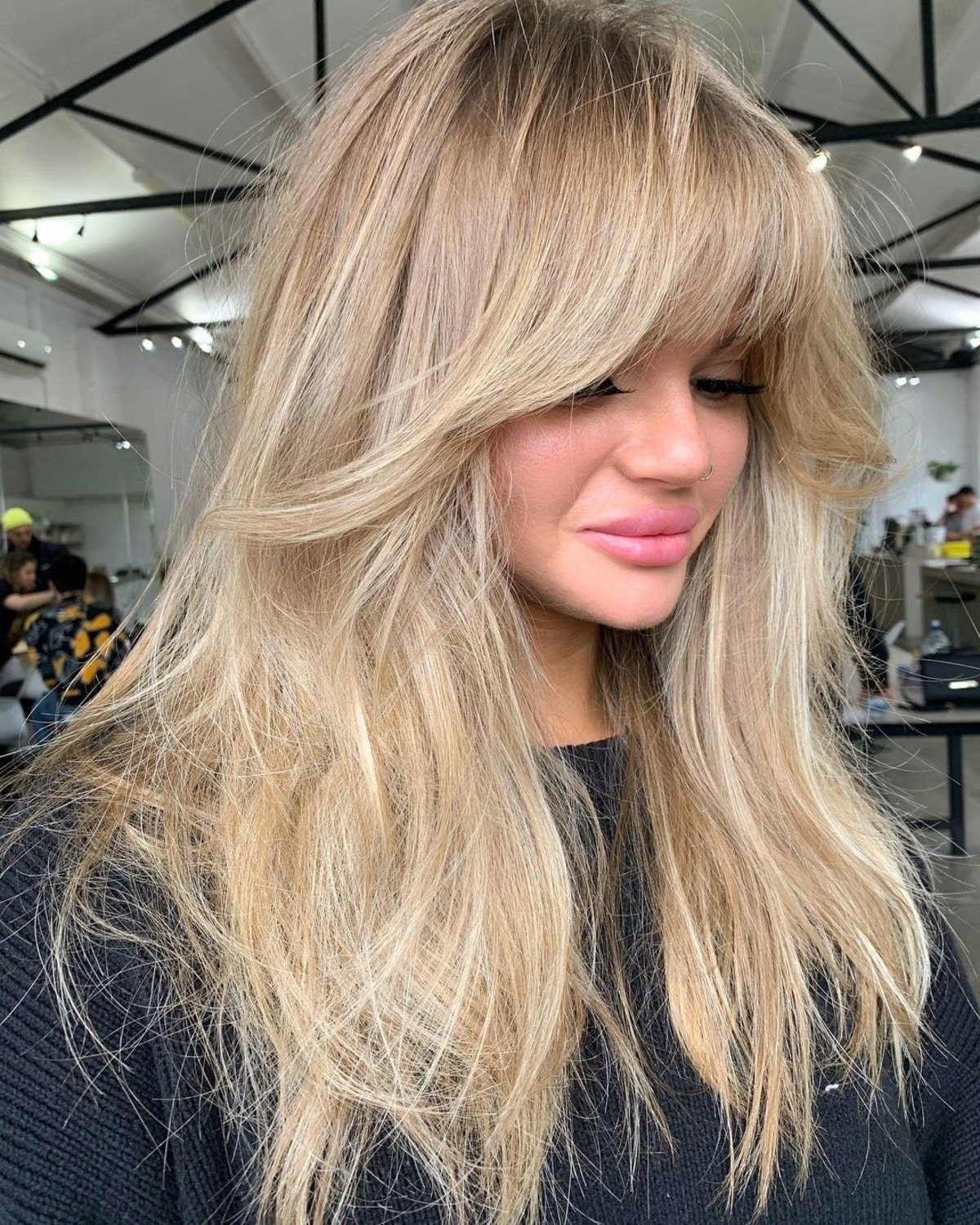
Hair bangs, also known as a fringe, are more than just a section of hair cut shorter and worn over the forehead. They are a transformative element, capable of completely altering a hairstyle, framing the face, highlighting features, and expressing a myriad of personal styles. From bold and dramatic to soft and subtle, the world of bangs is incredibly diverse, offering a perfect match for almost every face shape, hair type, and aesthetic preference.
This comprehensive guide will delve into the fascinating universe of hair bangs, exploring their enduring appeal, dissecting various popular styles, offering insights into maintenance, and providing tips for choosing the perfect fringe to complement your unique look.
The Enduring Allure of the Fringe
Bangs have graced the foreheads of icons and everyday individuals for centuries, consistently reappearing in fashion cycles with fresh interpretations. Their enduring popularity stems from several key advantages:
- Face Framing and Feature Enhancement: Bangs can soften strong jawlines, highlight eyes, or draw attention to cheekbones, creating a more balanced and harmonious facial structure.
- Instant Transformation: A simple fringe can drastically change a haircut without sacrificing overall length, offering a quick and relatively low-commitment way to refresh your look.
- Concealment and Camouflage: They can effectively hide a larger forehead, minimize the appearance of fine lines, or even mask an uneven hairline.
- Expression of Style: From the edgy micro-fringe to the romantic curtain bang, each style conveys a distinct personality and aesthetic, allowing for profound self-expression.
- Versatility: Bangs can be styled in numerous ways – parted, swept, curled, or straightened – adapting to different moods and occasions.
A Spectrum of Styles: Exploring the World of Bangs
The variety of bangs styles is vast, each with its unique characteristics, ideal candidates, and styling requirements. Let’s explore some of the most prominent types:
1. Blunt Bangs (Straight-Across Bangs)
Description: This classic style features a thick, straight-cut fringe that falls uniformly across the forehead, typically just above or at the eyebrows. It’s characterized by its precise, clean line and dense appearance.
Ideal For:
- Face Shapes: Oval, long, and heart-shaped faces. They can shorten a long face and balance a prominent forehead.
- Hair Types: Best suited for straight to slightly wavy hair with medium to thick density. Fine hair may struggle to achieve the desired fullness.
Aesthetic: Bold, chic, sophisticated, and often retro-inspired. They make a strong statement and draw attention directly to the eyes.
Maintenance: High. Requires regular trims to maintain its sharp line and can be prone to looking greasy if not washed frequently. Styling often involves blow-drying with a flat brush to ensure smoothness.
2. Wispy Bangs (Feathered Bangs)
Description: In contrast to blunt bangs, wispy bangs are light, airy, and softly layered, creating a delicate, ethereal effect. They are often cut with a slight angle or varied lengths to avoid a heavy look, allowing some forehead to peek through.
Ideal For:
- Face Shapes: Universally flattering, as their softness complements almost any face shape, including round and square faces by softening angles.
- Hair Types: Excellent for fine to medium hair, as they don’t require significant density. Can work with slight waves.
Aesthetic: Soft, romantic, youthful, and effortless. They offer a gentle frame without overpowering the face.
Maintenance: Low to medium. Easier to style than blunt bangs and can air-dry more naturally. Trims are still necessary to maintain the shape but are more forgiving.
3. Curtain Bangs (Bardot Bangs)
Description: A hugely popular style, curtain bangs are characterized by their longer length, typically reaching the cheekbones or jawline, and a distinct center part that sweeps to either side, resembling curtains opening. They blend seamlessly into the rest of the hair.
Ideal For:
- Face Shapes: Exceptionally versatile, flattering almost all face shapes, including round, square, oval, and heart-shaped faces, as they add softness and vertical lines.
- Hair Types: Works well with most hair types, from straight to wavy and even loosely curled. They look particularly good with a bit of natural texture.
Aesthetic: Effortless, chic, retro-inspired (think 60s and 70s), and sophisticated. They offer a softer, more grown-up alternative to traditional bangs.
Maintenance: Low. They are easy to style with a round brush and blow-dryer, and their longer length makes the grow-out process very graceful.
4. Side-Swept Bangs
Description: This asymmetrical style involves cutting bangs at an angle, allowing them to sweep across the forehead to one side. They can range from subtle, soft layers to a more dramatic, longer sweep.
Ideal For:
- Face Shapes: Particularly flattering for round and square faces, as the diagonal line breaks up the width and softens strong angles. Also works well for oval and heart shapes.
- Hair Types: Versatile for all hair types and densities.
Aesthetic: Flattering, elegant, versatile, and can add a touch of mystery. They offer a less commitment-heavy option than full bangs.
Maintenance: Low to medium. Relatively easy to style, often just requiring a quick sweep with a brush or fingers.
5. Micro Bangs (Baby Bangs)
Description: These are extremely short bangs, typically cut well above the eyebrows, often reaching only halfway up the forehead. They are precise, bold, and make a strong fashion statement.
Ideal For:
- Face Shapes: Best suited for oval, heart, and long faces, as they can visually shorten the forehead. They can be tricky for round or square faces unless paired with specific cuts to balance.
- Hair Types: Works best with straight hair, as any natural wave or curl can make them difficult to manage at such a short length.
Aesthetic: Edgy, avant-garde, daring, and fashion-forward. They highlight the eyebrows and eyes.
Maintenance: High. Requires very frequent trims to maintain their precise length and shape. Styling needs to be exact to avoid them looking unruly.
6. Choppy Bangs (Textured Bangs)
Description: Choppy bangs are characterized by their uneven, textured ends, created by point-cutting or razor-cutting. This creates a deconstructed, edgy look with varying lengths and a piecey finish.
Ideal For:
- Face Shapes: Excellent for oval, long, and heart-shaped faces. They can add interest and softness to strong features.
- Hair Types: Works well with medium to thick hair, as the texture needs some density to hold its shape. Can be adapted for wavy hair.
Aesthetic: Modern, edgy, rebellious, and effortlessly cool. They add movement and an undone vibe.
Maintenance: Medium. Can be styled with a bit of texturizing spray or wax to enhance the piecey look. Trims are needed to maintain the choppiness.
7. Curly Bangs
Description: Embracing natural texture, curly bangs allow the curls to frame the face, often cut to fall around the eyebrows or longer, blending into the rest of the curly hair. They can be full or more sparse.
Ideal For:
- Face Shapes: Flattering for most face shapes, especially round and oval, as they add softness and volume.
- Hair Types: Essential for naturally curly or coily hair.
Aesthetic: Playful, natural, voluminous, and unique. They celebrate the beauty of natural texture.
Maintenance: Medium. Requires specific curly hair care products (leave-in conditioners, curl creams) and techniques (diffusing or air-drying) to define curls and prevent frizz.
8. Shag Bangs (Layered Bangs)
Description: These bangs are an integral part of a shaggy haircut, characterized by multiple layers that seamlessly blend into the face-framing layers around the temples and cheekbones. They often have a feathered, lived-in feel.
Ideal For:
- Face Shapes: Highly versatile, complementing most face shapes by adding softness and movement.
- Hair Types: Works best with medium to thick hair, especially those with natural waves or a slight bend, as the layers enhance texture.
Aesthetic: Retro-cool, rock-and-roll, effortless, and voluminous.
Maintenance: Low to medium. Often looks best with minimal styling, allowing natural texture to shine.
9. Arched Bangs (Rounded Bangs)
Description: Arched bangs are cut in a soft, rounded shape that is shorter in the center and gradually lengthens towards the temples, creating a gentle curve that frames the eyes.
Ideal For:
- Face Shapes: Excellent for square and heart-shaped faces, as the curve softens angular features. Also good for oval faces.
- Hair Types: Best for straight to slightly wavy hair with medium density.
Aesthetic: Classic, elegant, sophisticated, and feminine.
Maintenance: Medium. Requires precise cutting to maintain the arch and often needs blow-drying with a round brush to achieve the desired curve.
10. V-Cut Bangs (Pointy Bangs)
Description: A more avant-garde style, V-cut bangs are cut to form a distinct "V" shape in the center, with the point either extending downwards or upwards. This is a very specific, edgy look.
Ideal For:
- Face Shapes: Typically for those looking to make a bold statement, often complementing oval or long faces.
- Hair Types: Straight hair is essential for the sharp lines to be visible.
Aesthetic: Unique, punk, artistic, and highly individualistic.
Maintenance: High. Requires very precise cutting and styling to maintain the "V" shape.
Beyond the Cut: Styling and Maintenance for Bangs
Regardless of the style, bangs require specific care to look their best:
- Frequent Washing: Bangs are prone to getting greasy quickly due to contact with skin, oils, and styling products. Consider washing just your bangs daily or using dry shampoo between full washes.
- Strategic Drying: For most styles, blow-drying your bangs immediately after washing is crucial. Use a small round brush for volume and curve, or a flat brush for bluntness. Always dry them in the direction you want them to lay.
- Product Use: Use lightweight products. A light hold hairspray can set the style, while a tiny bit of serum can tame frizz. Avoid heavy creams or oils that can weigh them down. Dry shampoo is your best friend for refreshing.
- Regular Trims: This is non-negotiable. Bangs grow quickly and lose their shape. Plan for a trim every 2-4 weeks. Many salons offer complimentary bang trims between haircuts.
- Hands Off! Resist the urge to constantly touch or play with your bangs, as this transfers oils from your fingers, making them greasy faster.
- Sleeping: Pin them back loosely or wear a silk bonnet to prevent them from getting squashed or bent overnight.
Choosing Your Perfect Fringe: Key Considerations
Deciding on bangs is a significant step. Here’s what to consider before making the chop:
- Consult a Professional: Always discuss your desired look with an experienced stylist. They can assess your face shape, hair texture, and growth patterns to recommend the most flattering and manageable style.
- Face Shape:
- Oval: Most styles work well.
- Round: Side-swept, curtain, or wispy bangs can add length and angles. Avoid heavy, blunt bangs that can emphasize roundness.
- Square: Soft, wispy, side-swept, or curtain bangs can soften strong jawlines.
- Long/Oblong: Blunt, full, or eye-grazing bangs can visually shorten the face.
- Heart: Wispy, side-swept, or curtain bangs can balance a wider forehead and narrow chin.
- Hair Texture and Thickness:
- Straight: Ideal for blunt, micro, and precise styles.
- Wavy: Excellent for curtain, wispy, or layered bangs.
- Curly: Embrace natural curl with curly bangs.
- Fine: Wispy, layered, or light side-swept bangs work best. Avoid heavy styles that will look sparse.
- Thick: Can pull off blunt and full styles, but may require more texturizing to prevent bulk.
- Lifestyle and Commitment: Are you willing to commit to daily styling and frequent trims? If not, opt for lower-maintenance styles like curtain or side-swept bangs.
- Hair Growth Patterns: A cowlick in the front can make certain bang styles (especially blunt) very challenging to manage. Your stylist can advise on this.
The Grow-Out Game: What to Do When You’re Over It
Even the most beloved bangs can eventually lose their charm. Growing out bangs requires patience and strategic styling:
- Accessorize: Headbands, clips, and scarves are your best friends during this phase.
- Blend In: As they grow, incorporate them into longer layers or sweep them to the side.
- Styling Products: Use gel or wax to keep them slicked back or swept to the side.
- Patience: It can take several months for bangs to grow to a length where they seamlessly blend into the rest of your hair.
Conclusion
Hair bangs are a timeless and versatile hair accessory, capable of dramatically altering a look with a single snip. From the bold statement of blunt bangs to the soft allure of curtain fringes, there’s a style for every personality and face. While they require a degree of commitment in terms of styling and maintenance, the transformative power and endless styling possibilities make the fringe an enduring and empowering choice for anyone looking to refresh their aesthetic. By understanding the nuances of each style and considering personal factors, you can confidently embark on your journey to finding the perfect frame for your beautiful face.