For many with a long and thin face, the idea of going short can feel counterintuitive. There’s a common misconception that short hair might only accentuate the length or make thin hair appear even more sparse. However, this couldn’t be further from the truth. When chosen and styled correctly, a short haircut can be a transformative force, adding much-needed width, softness, and volume, thereby creating a beautifully balanced and harmonious facial silhouette.
This comprehensive guide will dismantle those myths, delve into the unique characteristics of long, thin faces and thin hair, and unveil a treasure trove of short hairstyles that are not just suitable, but exceptionally flattering. We’ll explore the principles behind these choices, offer styling tips to maximize volume and texture, and empower you to embrace a chic, confident new look.
Understanding Your Canvas: The Long, Thin Face & Thin Hair
Before diving into specific styles, it’s crucial to understand the features we aim to enhance or balance.
The Long, Thin Face:
Characterized by an elongated forehead, a narrow width across the cheekbones, and often a more prominent chin, a long face can sometimes appear disproportionate or overly severe without the right framing. The goal is to:
- Add Width: Create the illusion of breadth at the sides of the face.
- Break Up Length: Introduce horizontal lines to visually shorten the face.
- Soften Angles: Reduce any harshness with layers, waves, or curls.
- Draw Attention Outward: Encourage the eye to move horizontally rather than vertically.
Thin Hair:
This refers to the density of individual hair strands, meaning the circumference of each strand is small. It often translates to hair that:
- Lacks natural volume and body.
- Can appear flat or limp.
- May struggle to hold a style.
- Is prone to looking stringy if cut incorrectly.
The challenge, therefore, is to select a short style that not only complements the long face shape but also gives the illusion of fuller, more voluminous hair. This requires strategic layering, precise blunt cuts, and clever styling techniques.
The Golden Rules for Short Hair on Long, Thin Faces with Thin Hair
These principles are the bedrock of successful short hairstyles for your unique features:
- Embrace Width-Adding Elements: Think horizontal lines. This means styles that are wider at the sides, whether through volume, waves, or specific cuts.
- Bangs Are Your Best Friend: A fringe is perhaps the most effective tool for breaking up the length of a long face. It instantly shortens the forehead and draws attention to the eyes.
- Strategic Layers are Key: While too many layers can make thin hair look thinner, well-placed layers can add texture, movement, and the illusion of volume, especially around the face.
- Avoid Extreme Lengths (Too Long or Too Short): Hair that is too long and straight will only elongate the face further. Conversely, a super-short, slicked-back style can expose too much of the face’s length.
- Texture and Movement are Crucial: Straight, flat hair will emphasize the face’s narrowness. Waves, curls, and choppy textures add dimension and width.
- Consider Asymmetry: An off-center part or an asymmetrical cut can add visual interest and break up the vertical lines of a long face.
Top Short Hairstyles for Long, Thin Faces with Thin Hair
Now, let’s explore the specific cuts that truly shine for your face shape and hair type:
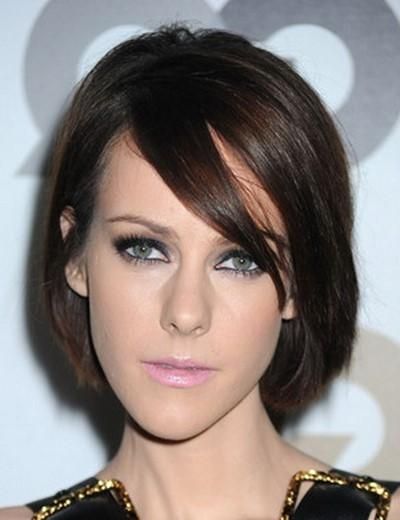
1. The Chin-Length Bob (and its Variations)
The bob is arguably the most versatile and universally flattering short haircut, and it’s a superstar for long, thin faces.
-
The Classic Chin-Length Bob: Ending precisely at the chin, this cut immediately adds width at the widest part of the jawline, effectively shortening the appearance of the face. For thin hair, a blunt cut at the ends is crucial. This creates a solid baseline, making the hair appear thicker and fuller than it actually is.
- Why it works: The horizontal line at the chin directly counteracts vertical length. The blunt ends create density.
- Styling for thin hair: Blow-dry with a round brush to encourage volume at the roots. A slight inward curl at the ends adds to the width illusion.
-
The A-Line Bob: Slightly shorter at the back and gradually lengthening towards the front, this variation maintains the width-adding properties of the classic bob while offering a modern, edgy twist. The forward-swept pieces can beautifully frame the face.
- Why it works: The angle draws the eye outwards and downwards, adding width.
- Styling for thin hair: Use a volumizing mousse before blow-drying. A light texturizing spray can enhance the subtle angle.
-
The Wavy/Textured Bob: Whether naturally wavy or styled with a curling iron, adding soft waves or beachy texture to a bob is a game-changer for thin hair and long faces. The waves create instant volume and width, softening the facial lines.
- Why it works: The horizontal undulations add significant width and break up linearity. Texture makes thin hair look fuller.
- Styling for thin hair: Use a heat protectant and a large-barrel curling iron or wand. Loosely curl sections, then gently brush out for a softer wave. Finish with a light hold hairspray or sea salt spray.
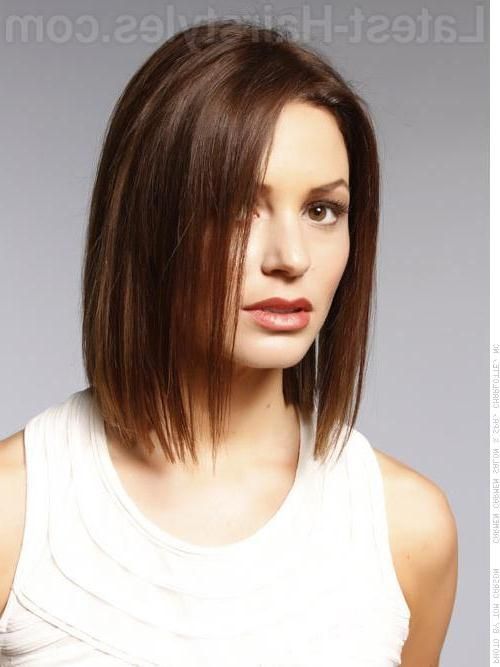
2. The Lob (Long Bob)
If you’re hesitant to go super short, the lob is your perfect transitional cut. Falling anywhere between the chin and the collarbone, it still offers many benefits of the bob.
- The Collarbone-Length Lob with Layers: A lob that hits just above the collarbone, especially with subtle, face-framing layers, can be incredibly flattering. The length is still short enough to prevent elongation, and the layers add movement and volume.
- Why it works: It maintains a degree of length while still offering the bluntness at the ends for thickness. Layers add softness and volume without thinning out the ends.
- Styling for thin hair: A deep side part can add instant volume at the crown. Blow-dry upside down for root lift.
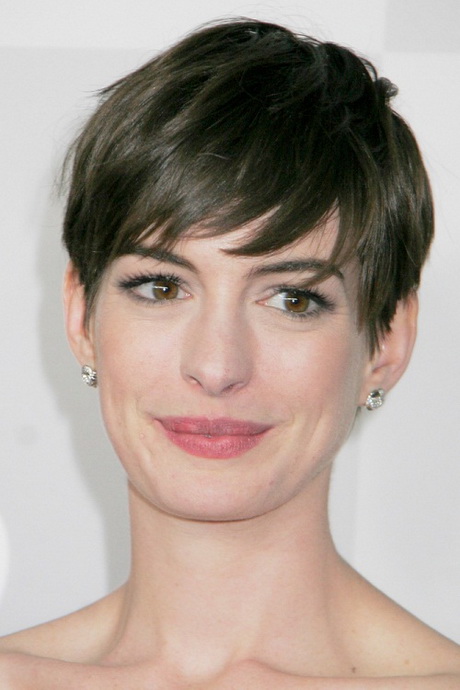
3. The Pixie Cut (with Strategic Volume)
A pixie cut on a long, thin face can be incredibly chic and empowering, but it requires careful consideration to avoid emphasizing length. The key is volume and texture, particularly on top and at the sides.
-
The Voluminous, Side-Swept Pixie: This isn’t your super-short, slicked-back pixie. Instead, it features longer layers on top that can be swept to the side or forward, creating height and movement. The sides should have some bulk or be slightly longer to add width around the temples and cheekbones.
- Why it works: The height on top adds balance, while the side-swept fringe breaks up the forehead. Volume at the sides prevents the face from looking narrower.
- Styling for thin hair: Use a volumizing mousse or root lift spray before blow-drying. Style with a texturizing paste or wax to define layers and add body.
-
The Textured Pixie with Undercut (Subtle): A very subtle undercut can be incorporated to manage thickness at the nape, allowing the top layers to have more presence. The focus remains on creating a textured, slightly messy, and voluminous top and sides.
- Why it works: The texture adds width and softness. The controlled undercut prevents bulk where it’s not needed, allowing volume where it is.
- Styling for thin hair: Embrace the natural texture or create it with a dry texturizing spray. Mess it up with your fingers for an effortlessly chic look.
4. The Shag/Choppy Cut
The modern shag is a fantastic option for thin hair and long faces, characterized by its choppy layers, volume, and often, a built-in fringe.
- The Short, Layered Shag with Feathered Bangs: This cut is all about creating movement and width through strategically placed layers. The layers are typically shorter around the crown and progressively longer, creating a "shaggy" look. Feathered or wispy bangs blend seamlessly into the layers, softening the forehead.
- Why it works: The layers add incredible volume and texture, making thin hair appear much fuller. The overall shape adds width, and the bangs shorten the face.
- Styling for thin hair: Air-dry with a scrunching motion or use a diffuser for natural waves. A texturizing spray or mousse will enhance the choppy layers.
The Power of Bangs: Your Secret Weapon
Regardless of the short style you choose, incorporating bangs can dramatically alter the perception of a long face.
- Blunt Bangs: A straight, blunt fringe that hits just above the eyebrows creates a strong horizontal line, instantly shortening the forehead and making the face appear less long. For thin hair, ensure they are cut thick enough to avoid looking sparse.
- Curtain Bangs: Parted down the middle and swept to either side, these bangs frame the face beautifully, adding softness and width around the cheekbones. They are less commitment than blunt bangs and grow out gracefully.
- Wispy/Feathered Bangs: Lighter and more airy than blunt bangs, these still break up the forehead without feeling too heavy. They are excellent for softening features and adding a delicate touch.
- Side-Swept Bangs: Swept across the forehead, these create an asymmetrical line that adds width and draws the eye horizontally. They are particularly good for adding volume at the crown if styled with a deep side part.
Styling Tips to Maximize Volume and Texture for Thin Hair
Even the best cut needs the right styling to truly shine, especially with thin hair.
-
Volumizing Products are Essential:
- Mousse: Apply to damp roots before blow-drying for lift and body.
- Root Lift Spray: Spritz directly onto the roots for targeted volume.
- Dry Shampoo: Not just for refreshing, it adds incredible texture and grit to clean hair, making it appear fuller.
- Texturizing Spray/Powder: Perfect for adding a "lived-in" feel, creating grip, and boosting overall volume, especially in bobs and pixies.
-
Strategic Blow-Drying:
- Upside Down: Flip your head over and blow-dry the roots for maximum lift.
- Round Brush: Use a medium-sized round brush to lift roots and create a soft bend in the hair, adding body.
- Cool Shot: After blow-drying a section, hit it with a cool shot to set the volume.
-
Heat Styling with Caution:
- Loose Waves: Use a large-barrel curling iron or wand to create soft, loose waves rather than tight curls. Brush them out gently for a natural, voluminous look.
- Crimping (Subtle): For an edgy look, subtle crimping at the roots can add hidden volume and texture.
-
The Power of the Part:
- Deep Side Part: This is an instant volume booster. It lifts the hair at the crown and creates an asymmetrical line that complements a long face.
- Zig-Zag Part: Can add a playful touch and create the illusion of more hair at the roots.
-
Backcombing/Teasing (Gentle): For targeted volume at the crown, gently backcomb small sections of hair at the roots. Always smooth over the top layer to hide the teasing.
Maintenance and Care for Your Short Style
- Regular Trims: Short hair requires more frequent trims (every 4-6 weeks) to maintain its shape and prevent split ends from making thin hair look even thinner.
- Hair Health: A healthy scalp and hair are crucial for thin hair. Use gentle, sulfate-free shampoos and conditioners. Consider a weekly hair mask to strengthen strands.
- Heat Protection: Always use a heat protectant spray before using any hot tools to prevent damage and breakage.
- Consult Your Stylist: A skilled stylist is your best ally. They can assess your specific hair texture, growth patterns, and face shape to recommend the most flattering cut and teach you how to style it at home. Don’t be afraid to bring inspiration photos!
Conclusion
Embracing a short hairstyle when you have a long, thin face and fine hair is not about compromise; it’s about unlocking a world of chic, modern, and incredibly flattering possibilities. By understanding the principles of balance and proportion, and by choosing cuts that add width, break up length, and create the illusion of volume, you can transform your look.
From the classic elegance of a chin-length bob to the playful texture of a shag or the bold confidence of a well-executed pixie, there’s a short style waiting to highlight your best features. With the right cut, strategic styling, and a touch of confidence, you’ll discover that short hair isn’t just a trend – it’s a powerful statement of style and self-assurance. So, take the leap, consult with your stylist, and prepare to fall in love with your new, beautifully balanced reflection.