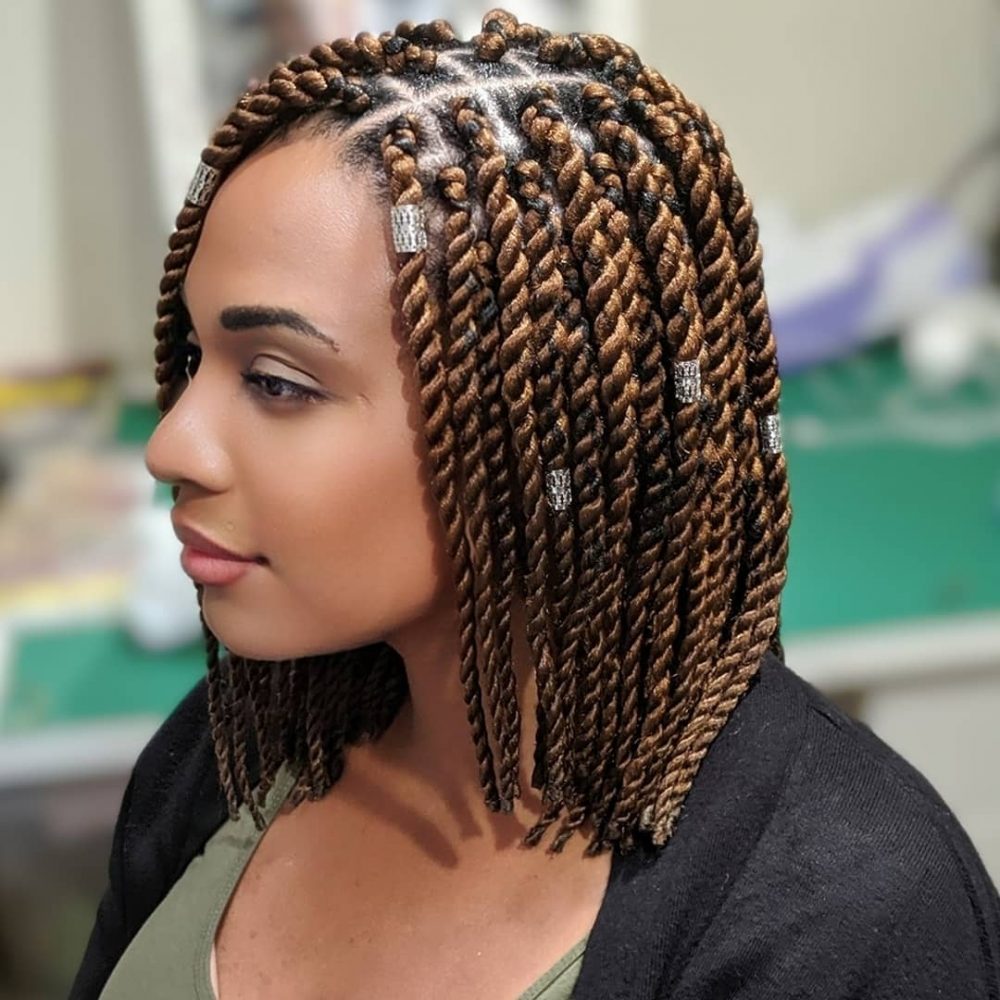
Black hair, in its magnificent array of textures, patterns, and volumes, is a crown of glory, a testament to resilience, creativity, and boundless beauty. From tightly coiled kinky strands to looser curls, its versatility is unmatched, offering a canvas for an endless parade of styles. Among these, the simple twist stands out as a true cornerstone – a foundational, protective, and endlessly adaptable hairstyle that has graced generations and continues to reign supreme in the natural hair community.
Far more than just a quick fix, simple twists are a celebration of natural texture, a strategic maneuver for hair health, and a profound expression of personal style. This comprehensive guide delves into the world of simple twist hairstyles for black hair, exploring their myriad benefits, diverse forms, installation techniques, styling possibilities, and essential maintenance, aiming to empower you to embrace this iconic look with confidence and creativity.
The Enduring Appeal: Why Simple Twists Are a Must-Have
The popularity of simple twists isn’t merely a trend; it’s rooted in a deep understanding of what black hair needs to thrive. Here’s why they’ve remained a beloved choice:
- Ultimate Protection: Black hair is inherently delicate and prone to dryness and breakage due to its unique curl pattern. Twists tuck away the vulnerable ends, shielding them from environmental damage (wind, sun, friction from clothing) and reducing daily manipulation. This "low-touch" approach is crucial for length retention and overall hair health.
- Promotes Length Retention: By minimizing breakage and external stressors, twists create an optimal environment for hair to grow and retain its length. You’ll notice less shedding and more visible growth over time.
- Incredible Versatility: From sleek and professional to bohemian and carefree, twists can be styled in countless ways. They can be worn as-is, pinned up, pulled back, or even transformed into entirely new styles like the coveted "twist-out."
- Low Maintenance (Once Installed): While the initial installation might take time, once your twists are in, daily styling becomes a breeze. This frees up precious time in your morning routine.
- Moisture Retention: Twists help to seal in moisture, especially when applied to well-hydrated hair. The twisted strands act as a barrier, preventing moisture from escaping as quickly as it would on loose hair.
- Gentle on Edges: Unlike some styles that pull tightly on the hairline, simple twists, when done correctly, are gentle, making them an excellent choice for those with delicate edges or trying to regrow them.
- DIY-Friendly: Many simple twist styles can be achieved at home with basic tools and a bit of practice, making them an accessible and cost-effective option.
The Foundation: Pre-Twist Preparation is Key
The success and longevity of your simple twists heavily depend on the condition of your hair before you begin. Think of it as preparing a canvas for a masterpiece.
- Cleanse Thoroughly: Start with freshly washed hair. Use a clarifying shampoo to remove any product buildup, followed by a moisturizing shampoo.
- Deep Condition: A good deep conditioner is non-negotiable. It infuses your strands with much-needed moisture and nutrients, making them more pliable and less prone to breakage during the twisting process.
- Detangle Gently: While the deep conditioner is in, or after rinsing, carefully detangle your hair using a wide-tooth comb or your fingers, working from the ends up to the roots. Ensure all knots are removed.
- Moisturize and Seal: This is perhaps the most critical step. Apply a leave-in conditioner, followed by a cream or butter, and then seal with a light oil (the LOC or LCO method works wonders). Ensure your hair is damp, not soaking wet, and thoroughly moisturized. This provides the slip needed for smooth twists and locks in hydration.
- Sectioning: Divide your hair into manageable sections. The size of your sections will determine the size of your twists. Use clips to keep sections separate and neat. Precision in sectioning leads to neater, more uniform twists.
Exploring the Twist Universe: Types of Simple Twists
While the core concept remains the same – two strands wrapped around each other – the world of simple twists offers fascinating variations, each with its unique aesthetic and technique.
-
The Classic Two-Strand Twist:
- What it is: The most fundamental twist style. Hair is divided into small sections, and each section is then split into two strands, which are twisted around each other from root to tip.
- How to do it: Take a small, detangled, and moisturized section of hair. Divide it into two equal strands. Begin twisting one strand over the other, ensuring consistent tension. As you twist down, continue to feed the hair into the two strands, maintaining a neat and tight twist. Secure the ends with a tiny rubber band (if desired) or by twirling the ends until they coil.
- Variations: Can be done chunky for a bolder look, or very small (mini twists) for a more intricate, long-lasting style that mimics locs.
- Best for: Everyday wear, protective styling, and creating defined twist-outs.
-
Flat Twists:
- What it is: Similar to cornrows but using the twisting technique. Hair is twisted flat against the scalp, creating a raised, rope-like pattern.
- How to do it: Start with a small section of hair at the hairline. Divide it into two strands. Begin twisting these two strands, then, as you move along the scalp, incorporate small pieces of hair from the adjacent section into each of the two main strands, just like you would with a cornrow. Continue twisting flat against the scalp until you reach the desired point (e.g., the nape of the neck or the crown), then continue with a regular two-strand twist to the end.
- Best for: Creating elegant updos, side-swept styles, or as a base for wigs and weaves. They offer a sleek, sculpted look.
-
Senegalese Twists:
- What it is: A popular protective style that involves adding braiding hair (often Kanekalon or Marley hair) to your natural hair, then twisting the two strands together tightly, creating a smooth, rope-like twist.
- How to do it: Your natural hair is first braided for a short section at the root, then the added hair is split into two, and your natural hair is incorporated into one of those strands. The two strands are then twisted tightly around each other. The smooth texture of the added hair gives Senegalese twists their signature sleekness.
- Best for: Achieving longer, fuller, and more uniform twists, adding length without chemicals, and a versatile protective style that can last for weeks.
-
Passion Twists:
- What it is: A bohemian, wavy twist style created using a specific type of wavy, water-wave braiding hair. The hair’s texture gives the twists a unique, often frizzier (in a good way!), and more natural look.
- How to do it: Similar to Senegalese twists in that hair is added, but the specific water-wave hair is used. The twisting technique is often looser to maintain the hair’s natural wave pattern.
- Best for: A softer, more organic, and effortlessly chic look. They are lighter than some other extension twists.
-
Havana/Marley Twists:
- What it is: Chunky, often voluminous twists created using Marley hair, which has a coarser, kinky-coily texture that closely mimics natural African American hair.
- How to do it: Similar to Senegalese twists in terms of adding hair, but the texture of Marley hair means the twists are less smooth and more textured, blending seamlessly with natural hair.
- Best for: Achieving a very natural, full, and voluminous look. They are often lighter than Senegalese twists and are excellent for those who prefer a less "done" appearance.
-
Twist-Outs:
- What it is: Not a twist style per se, but the stunning result of untwisting two-strand twists once they are completely dry. The hair retains the definition and pattern of the twists, creating beautiful, elongated curls or waves.
- How to do it: Install two-strand twists on damp, moisturized hair. Allow them to dry completely (this can take hours or even overnight). Once dry, carefully unravel each twist by gently separating the two strands. Fluff and style as desired.
- Best for: Achieving defined curls, adding volume, and showcasing your natural texture without heat.
Beyond the Basic: Styling Your Twists
Once your twists are installed, the styling possibilities are endless.
- Classic Down: Simply wear your twists down, letting them frame your face.
- High Bun/Pony: Gather all your twists into a high ponytail or bun for a chic, elegant look.
- Low Bun/Chignon: A sophisticated option, perfect for formal events.
- Half-Up, Half-Down: Pull the top section of your twists back and secure, leaving the rest flowing.
- Side Swept: Pin one side of your twists back for an asymmetrical, glamorous style.
- Twisted Crown: Create a regal look by flat-twisting sections around your hairline to form a crown.
- Accessorize: Elevate your twists with headbands, scarves, hair cuffs, beads, or decorative pins.
Nurturing Your Twists: Maintenance and Longevity
To ensure your twists look their best and your hair remains healthy, proper maintenance is crucial.
- Nighttime Protection: Always sleep with a satin or silk bonnet or scarf, or on a satin pillowcase. This reduces friction, prevents frizz, and helps retain moisture.
- Moisturize Regularly: Even though twists seal in moisture, your scalp and hair still need hydration. Lightly spritz your twists with a diluted leave-in conditioner or rosewater, and apply a light oil to your scalp every few days.
- Gentle Cleansing: If you need to wash your hair while twists are in, dilute your shampoo and gently massage it into your scalp. Rinse thoroughly. Avoid vigorous scrubbing, which can unravel your twists. Air dry completely.
- Avoid Over-Manipulation: While twists are a low-manipulation style, constant pulling and re-styling can cause tension and breakage.
- Don’t Overstay Your Welcome: While twists are protective, leaving them in for too long (typically beyond 4-6 weeks for natural hair, 6-8 weeks for extension twists) can lead to excessive buildup, matting, and stress on your hair.
- Proper Removal: When it’s time to take your twists down, be patient and gentle. Apply a conditioner or oil to each twist before unraveling it. Work slowly, finger-detangling as you go, and never pull or rip.
Common Pitfalls to Avoid
- Twisting Too Tightly: This is a major cause of tension, breakage, and even traction alopecia, especially around the hairline. Your twists should feel secure, not painful.
- Starting with Dry Hair: Dry hair is brittle and prone to breakage. Always ensure your hair is adequately moisturized before twisting.
- Neglecting Scalp Care: Your scalp needs attention too! Keep it clean and moisturized to prevent itching and flaking.
- Improper Sectioning: Uneven sections lead to uneven twists, which can affect the overall look and how well they hold.
- Not Drying Completely: If you do wash your twists, ensure they are 100% dry before styling or going to bed to prevent mildew and odor.
Conclusion: A Timeless Tribute to Texture
Simple twist hairstyles for black hair are more than just a convenient way to manage natural texture; they are a cultural touchstone, a protective shield, and a canvas for self-expression. From the humble two-strand twist to the voluminous Havana twist, each variation offers unique benefits and aesthetic appeal, catering to diverse preferences and lifestyles.
By understanding the importance of proper preparation, mastering the techniques, and committing to consistent maintenance, you can unlock the full potential of this versatile style. Embrace the journey of learning, experimenting, and celebrating the inherent beauty and resilience of your black hair. Simple twists offer not just a hairstyle, but a pathway to healthier hair, effortless elegance, and a deeper connection to the rich tapestry of black hair culture. They are, quite simply, a twist of genius.