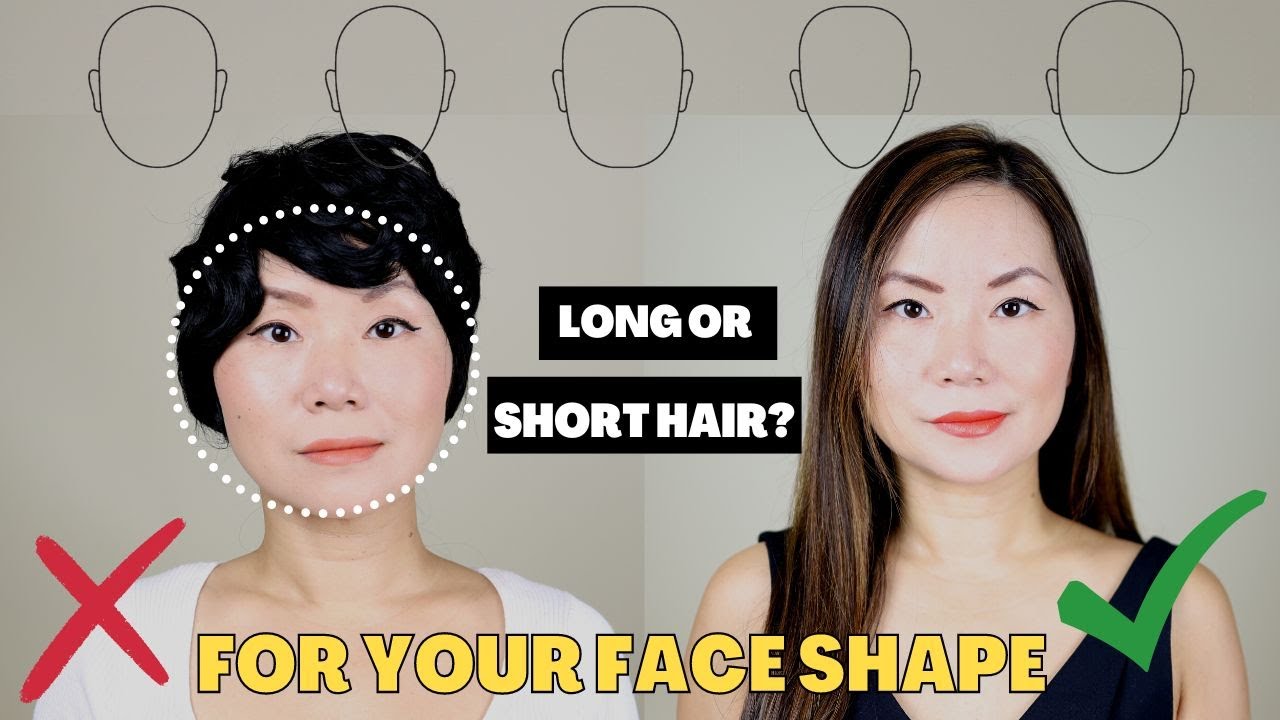
The allure of a short hairstyle is undeniable. It whispers of liberation, confidence, and a bold statement. Yet, for many, the thought of trading in their long locks for a chic bob, a daring pixie, or a playful shag is met with a surge of apprehension. "Will it suit my face?" is the echoing question that often holds us back from taking the plunge.
This article is an invitation to explore that very question, to demystify the art of choosing a short hairstyle, and to empower you to find a cut that not only complements your unique facial features but also amplifies your inner confidence. We’ll delve deep into understanding your face shape, matching styles to enhance your best features, and navigating the exciting journey of going short.
The Fear Factor: Why We Hesitate
Before we dive into the exciting world of bobs and pixies, let’s acknowledge the elephant in the room: the fear. It’s a common dilemma, rooted in several valid concerns:
- Regret: The most prominent fear is the irreversible nature of a haircut. What if you hate it? What if it doesn’t grow back fast enough?
- Loss of Femininity: For many, long hair is synonymous with femininity and beauty. The idea of cutting it short can feel like shedding a part of one’s identity.
- "Does it Suit Me?": This is the core anxiety. We’ve all seen stunning short cuts on others, but wonder if our own face can pull it off.
- Maintenance Misconceptions: Some believe short hair is harder to style or requires more frequent salon visits, leading to a perception of higher maintenance.
While these fears are valid, it’s crucial to remember that hair grows back. More importantly, a well-chosen short style can be incredibly empowering, liberating, and surprisingly versatile. It can highlight features you never knew you had, streamline your routine, and project an image of modern sophistication.
Beyond the Hype: The Real Benefits of Going Short
Beyond the initial apprehension, a world of benefits awaits those who dare to go short:
- Confidence Booster: A truly flattering short cut can make you feel incredibly powerful and self-assured. It’s a statement that you are comfortable in your own skin.
- Low Maintenance (Often): While some short styles require specific styling, many are wash-and-go, significantly cutting down on drying and styling time.
- Hair Health: Removing damaged ends and reducing the weight on your scalp can lead to healthier, bouncier hair.
- Highlighting Features: A strategic short cut can draw attention to your eyes, cheekbones, jawline, or neck, enhancing your natural beauty.
- Versatility: Don’t mistake short for boring! Pixies can be sleek or messy, bobs can be blunt or layered, allowing for a surprising range of looks.
- Feeling Lighter: Literally and figuratively! The physical lightness of less hair can be incredibly refreshing, and the mental lightness of a bold change is exhilarating.
The Crucial First Step: Understanding Your Face Shape
The cornerstone of choosing a flattering short hairstyle lies in understanding your face shape. The goal is always to create balance and harmony, using the haircut to either soften angles, add volume where needed, or elongate certain features.
How to Determine Your Face Shape:
- Pull Back Your Hair: Ensure all hair is off your face, revealing your hairline and jawline.
- Look in a Mirror: Stand directly in front of a mirror.
- Trace Your Outline: Using a bar of soap, a washable marker, or even just your finger, trace the outline of your face on the mirror. Start from your chin, up along your jawline, past your ears, along your hairline, and back down to your chin.
- Analyze the Shape: Step back and observe the shape you’ve drawn.
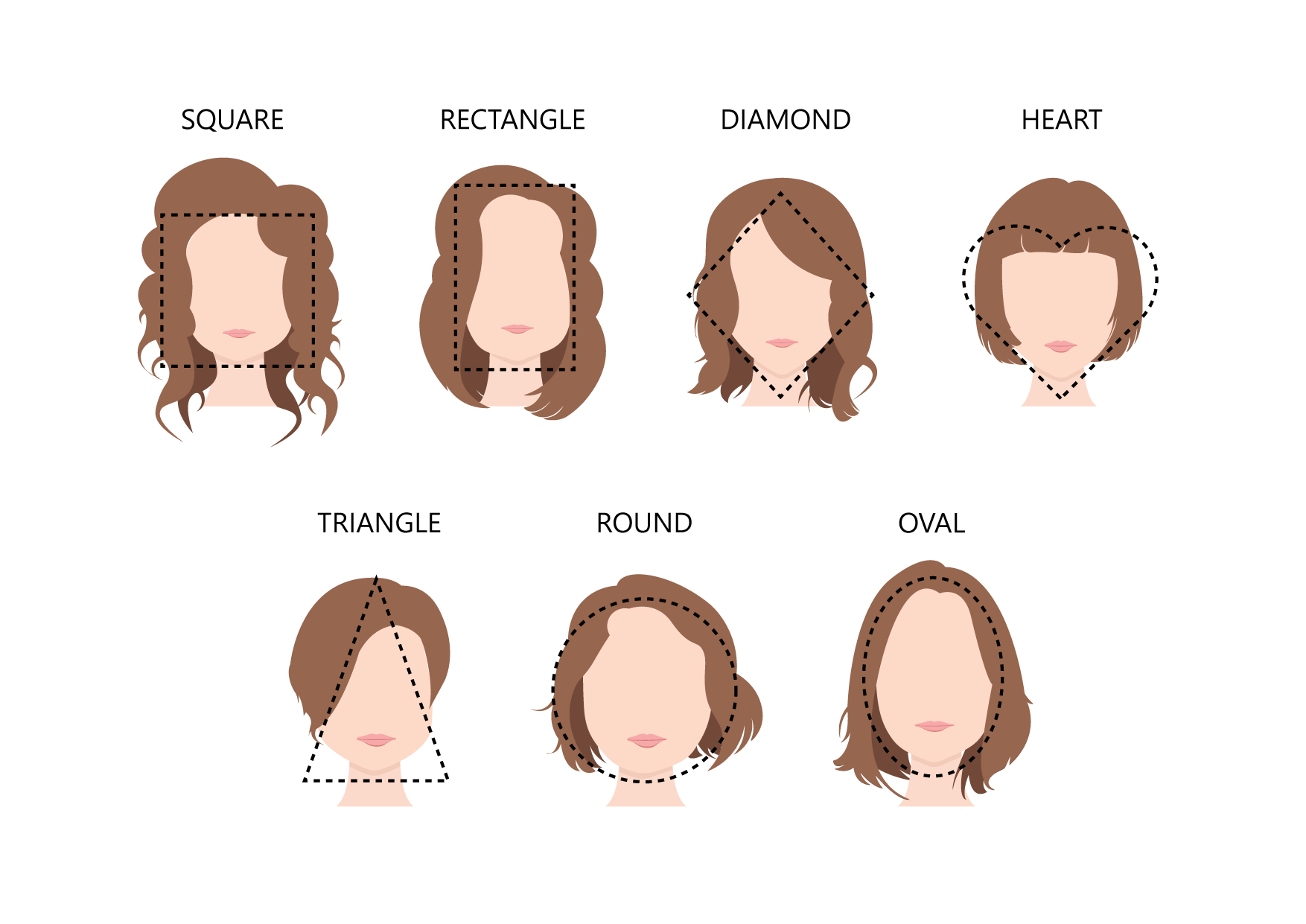
Here’s a breakdown of common face shapes and their characteristics:
- Oval: Considered the "ideal" shape, an oval face is longer than it is wide, with a gently rounded jawline and forehead. It’s well-proportioned and symmetrical.
- Round: Characterized by a similar length and width, with soft, curved lines. The widest part is often at the cheeks, and the jawline is rounded.
- Square: Features a strong, broad forehead and a prominent, angular jawline. The width and length of the face are roughly equal.
- Heart: Wider at the forehead and temples, tapering down to a narrower, often pointed chin. It can sometimes include a widow’s peak.
- Long/Oblong: Longer than it is wide, with a narrow chin and forehead. Similar to an oval but more elongated.
- Diamond: Narrow forehead and jawline, with the widest part of the face at the cheekbones. Often features a pointed chin.
Matching Short Styles to Your Face Shape
Now for the exciting part! Let’s explore which short hairstyles tend to flatter each face shape, and more importantly, why.
1. Oval Face Shape
Characteristics: Balanced proportions, gentle curves.
Goal: Maintain balance, highlight versatility.
Recommended Short Styles:
- Classic Pixie: The ultimate showstopper for an oval face. Its balanced proportions allow you to experiment with various lengths and textures – from super short and edgy to longer, side-swept versions. It highlights your eyes and cheekbones.
- Chin-Length Bob: Whether blunt or layered, a bob that hits just at the chin beautifully frames an oval face without adding unnecessary width or length. It can be sleek for sophistication or wavy for a playful vibe.
- Shaggy Bob/Lob: For a softer, more relaxed look, a shaggy bob with layers and texture adds movement and effortlessly complements the oval’s natural harmony.
- Asymmetrical Cuts: Oval faces can pull off asymmetrical pixies or bobs, adding a modern, artistic touch without disrupting balance.
2. Round Face Shape
Characteristics: Equal length and width, soft, curved lines, often widest at the cheeks.
Goal: Add angles, create vertical lines, and elongate the face.
Recommended Short Styles:
- Asymmetrical Bob (A-line Bob): This cut is a game-changer for round faces. The longer front pieces create diagonal lines that slim the face, while the shorter back adds volume and lift, breaking up the roundness.
- Layered Pixie with Height: A pixie with volume at the crown and longer, wispy pieces around the temples or ears can add height and create an illusion of length, drawing the eye upwards. Avoid overly rounded pixies.
- Shaggy Cuts with Side Bangs: Layers around the face and side-swept bangs can break up the roundness and add definition. The side part is key to creating an angle.
- Longer Pixie with Undercut: An undercut can add an edgy, angular element that contrasts beautifully with the roundness of the face.
3. Square Face Shape
Characteristics: Strong, angular jawline and forehead, equal width and length.
Goal: Soften sharp angles, add curves and movement.
Recommended Short Styles:
- Soft, Wavy Bob (Chin to Shoulder-Length): A bob that hits just below the jawline or at the shoulders, styled with soft waves or curls, can beautifully soften the strong jawline. Avoid blunt, straight bobs that end precisely at the jaw.
- Layered Pixie with Side-Swept Bangs: A pixie with longer, textured layers and a side-swept fringe can add softness around the forehead and jaw. The layers create movement that distracts from the sharp angles.
- Shaggy Cut with Face-Framing Layers: A shaggy cut with soft, graduated layers that fall around the face can diffuse the strong lines of a square jaw, adding a feminine touch.
- A-line Bob with Soft Angles: Similar to the round face, an A-line bob can work, but ensure the front pieces are soft and textured, not blunt, to avoid accentuating the jaw.
4. Heart Face Shape
Characteristics: Wider forehead, prominent cheekbones, narrow, often pointed chin.
Goal: Balance the wider forehead with the narrower chin, add width to the jawline area.
Recommended Short Styles:
- Chin-Length Bob with Volume at the Bottom: A bob that ends around the chin, especially one with layers or curls that add fullness around the jawline, helps to balance the narrower chin with the wider forehead.
- Pixie with Bangs (Side-Swept or Textured Fringe): Bangs are excellent for heart-shaped faces as they can reduce the appearance of a wide forehead. A side-swept or textured fringe softens the top, while a slightly longer pixie can add width around the ears.
- Shaggy Cuts with Layers Around the Chin: Layers that fall around the chin and jawline can create the illusion of a wider lower face, bringing balance.
- Blunt Bob with Soft Ends: A blunt bob that hits just below the chin can work, but ensure the ends are slightly textured or curled inwards to avoid a harsh line against the pointed chin.
5. Long/Oblong Face Shape
Characteristics: Longer than it is wide, often with a narrow chin and forehead.
Goal: Add width, reduce vertical length, avoid adding height at the crown.
Recommended Short Styles:
- Chin-Length Bob (Blunt or Layered): A bob that hits precisely at the chin is ideal as it creates a horizontal line, effectively "cutting" the length of the face and adding width. Blunt bobs are particularly effective.
- Pixie with Side Volume and Bangs: A pixie that has volume on the sides (e.g., a textured crop) rather than height at the crown, combined with a full fringe or side-swept bangs, can shorten the appearance of the forehead and add width.
- Wavy or Curly Bobs: Texture adds width. If you have natural waves or curls, a chin-length bob that embraces this texture will beautifully balance a long face.
- A-line Bob with a Deep Side Part: A deep side part can break up the vertical line of the face, and an A-line bob can add width around the jaw.
6. Diamond Face Shape
Characteristics: Narrow forehead and jawline, widest at the cheekbones, often a pointed chin.
Goal: Soften the cheekbones, add width to the forehead and jawline.
Recommended Short Styles:
- Pixie with Volume at the Top and Nape: A pixie that has some height or volume at the crown can balance the narrow forehead. Longer pieces around the ears or nape can add softness.
- Bob with Bangs (Full or Side-Swept): Bangs are great for adding width to the forehead, balancing the wider cheekbones. A bob that hits just below the chin can add fullness to the jawline.
- Layered Bob with Softness Around Cheekbones: Layers that gently frame the face and soften the prominence of the cheekbones are ideal.
- Shaggy Cuts: A shaggy cut with layers that fall around the cheekbones and jawline can create a softer, more balanced silhouette.
Beyond Face Shape: Other Crucial Considerations
While face shape is paramount, it’s not the only factor. A truly successful short cut considers your entire aesthetic:
-
Hair Texture and Density:
- Fine Hair: Blunt cuts can make fine hair appear thicker. Layers can add volume but too many can make it look thinner. Pixies and bobs work well.
- Thick Hair: Layers are essential to remove bulk and add movement. Graduated bobs or textured pixies can manage thickness beautifully.
- Wavy/Curly Hair: Embrace your natural texture! Layered bobs and pixies can enhance curls, but avoid cuts that are too short and could lead to a "poof" effect.
- Straight Hair: Blunt cuts and sleek bobs look incredibly sharp on straight hair. Pixies can be styled for a chic, minimalist look.
-
Lifestyle: Are you an athlete needing a wash-and-go style? A professional requiring a polished look? Your daily routine should influence the cut.
-
Personal Style and Aesthetics: Do you lean towards classic, edgy, bohemian, or minimalist? Your haircut should reflect your overall fashion sense.
-
Forehead, Nose, and Chin Features:
- Large Forehead: Bangs (full, side-swept, or wispy) are your best friend.
- Prominent Nose: Layers around the face can draw attention away from the nose. Avoid dead-straight, blunt cuts.
- Receding Chin: A bob that ends at the chin can create the illusion of a stronger jawline.
-
Neck Length: A long neck can be beautifully accentuated by a super short pixie or a graduated bob. A shorter neck might benefit from a slightly longer bob that doesn’t cut it off abruptly.
Taking the Plunge: Practical Steps
Deciding to go short is a journey. Here’s how to approach it confidently:
-
Research, Research, Research:
- Pinterest and Instagram: Create a mood board. Look for celebrities or influencers with similar face shapes and hair textures who have short hair. Collect images of cuts you love and cuts you definitely don’t.
- Celebrity Inspiration: While their stylists are pros, seeing a short cut on a face similar to yours can be incredibly helpful.
-
Virtual Try-On Apps: Many apps allow you to upload a photo and virtually try on different hairstyles. While not perfect, they can give you a rough idea.
-
Wig It Out: This is the ultimate test! Invest in a few inexpensive short wigs in styles you’re considering. Wear them for a day, see how you feel, how they look in different lighting, and how they interact with your wardrobe.
-
Consult a Professional Stylist (Crucial!):
- Find the Right Stylist: Look for someone specializing in short hair or who has a portfolio of stunning short cuts. Read reviews.
- Bring Photos: Show your stylist all your inspiration photos (the likes and dislikes).
- Be Honest About Your Lifestyle: Tell them how much time you’re willing to spend styling your hair daily.
- Listen to Their Advice: A good stylist will be honest about what will and won’t work for your hair type, face shape, and lifestyle. They might suggest a variation of your desired cut that’s more flattering.
-
Consider a Gradual Approach: If you’re very nervous, start with a long bob (lob) and gradually go shorter. This allows you to adjust to the change in stages.
-
Communicate Clearly: Don’t be afraid to ask questions. Discuss the maintenance, styling products, and how often you’ll need trims.
Embracing the Change and Aftercare
The first few days (or even weeks) with a new short cut can feel unfamiliar. It’s a significant change, and it’s okay to have an adjustment period.
- Styling is Key: Short hair often requires more specific styling products (waxes, pastes, texturizing sprays) to achieve the desired look. Your stylist should recommend products and teach you how to use them.
- Regular Trims: Short hair needs more frequent trims (every 4-6 weeks) to maintain its shape and prevent it from looking messy or grown out.
- Confidence is Your Best Accessory: Once you’ve found your perfect short cut, wear it with pride. Your attitude will make it shine.
- It’s Just Hair! Remember, if you truly don’t love it, it will grow. This perspective can alleviate much of the initial pressure.
Conclusion: Your Face, Your Rules
Choosing to try a short hairstyle is a deeply personal decision. It’s an opportunity to redefine your look, embrace a new facet of your personality, and step into a more confident version of yourself. By understanding your unique face shape, considering your hair’s natural characteristics, and collaborating with a skilled stylist, you can confidently navigate the world of bobs, pixies, and shags.
Don’t let the fear of "what if" hold you back from discovering a haircut that truly empowers you. Your face is a canvas, and a short hairstyle can be the masterpiece that highlights your unique beauty. So, take a deep breath, do your research, and get ready to experience the liberating joy of the big chop. It might just be the best style decision you ever make.