Hair, in its myriad forms, is far more than just a biological appendage; it is a powerful medium of self-expression, a cultural marker, a reflection of personal identity, and a dynamic canvas for artistic innovation. From ancient civilizations to contemporary runways, hairstyles have continuously evolved, telling stories of status, rebellion, tradition, and trend. The sheer variety can be overwhelming, yet understanding the fundamental types and their nuances reveals the rich tapestry of human creativity woven into every strand.
This article delves into the fascinating world of hairstyles, categorizing them to provide a comprehensive overview of the endless possibilities that adorn heads across the globe.
I. By Length: The Fundamental Framework
The most intuitive way to classify hairstyles is by the length of the hair, which dictates much about its potential and maintenance.
A. Short Hairstyles:
Short hair often signifies boldness, confidence, and a low-maintenance lifestyle, though many short styles require precise cutting and regular trims.
- The Pixie Cut: A classic, timeless choice, the pixie is characterized by short hair on the sides and back, and slightly longer hair on top, often styled with texture or a small fringe. It can range from ultra-short and edgy to soft and wispy, offering versatility despite its brevity.
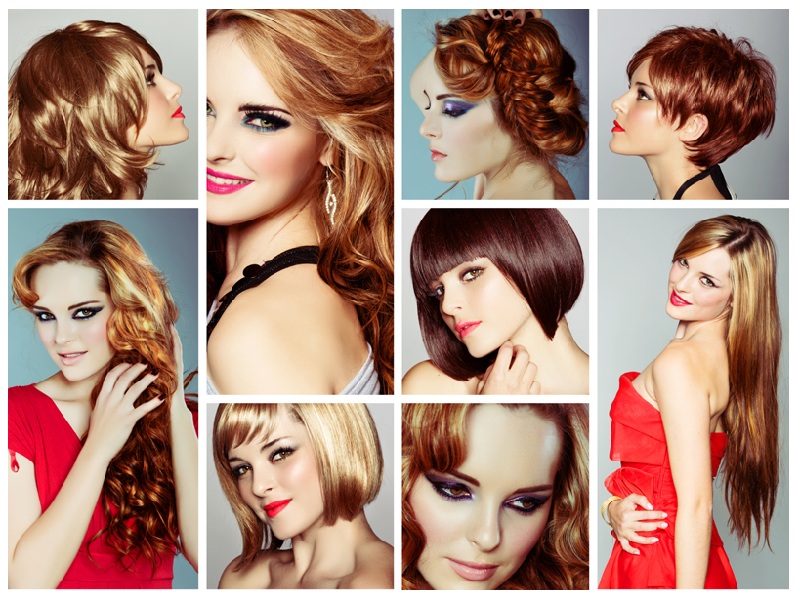
- The Bob: A perennial favorite, the bob typically reaches between the chin and the shoulders. Its variations are endless:
- Classic Bob: Bluntly cut, often with a straight fringe.
- Inverted Bob (A-line Bob): Shorter in the back, gradually lengthening towards the front.
- Graduated Bob: Features stacked layers at the back, creating volume and a rounded shape.
- French Bob: Shorter, often jaw-length, with a blunt fringe, evoking a chic, effortless Parisian vibe.
- The Buzz Cut: The shortest of the short, where hair is clipped uniformly close to the scalp. It’s a statement of ultimate minimalism, often associated with rebellion, practicality, or military precision, but increasingly embraced for its clean aesthetic and gender neutrality.
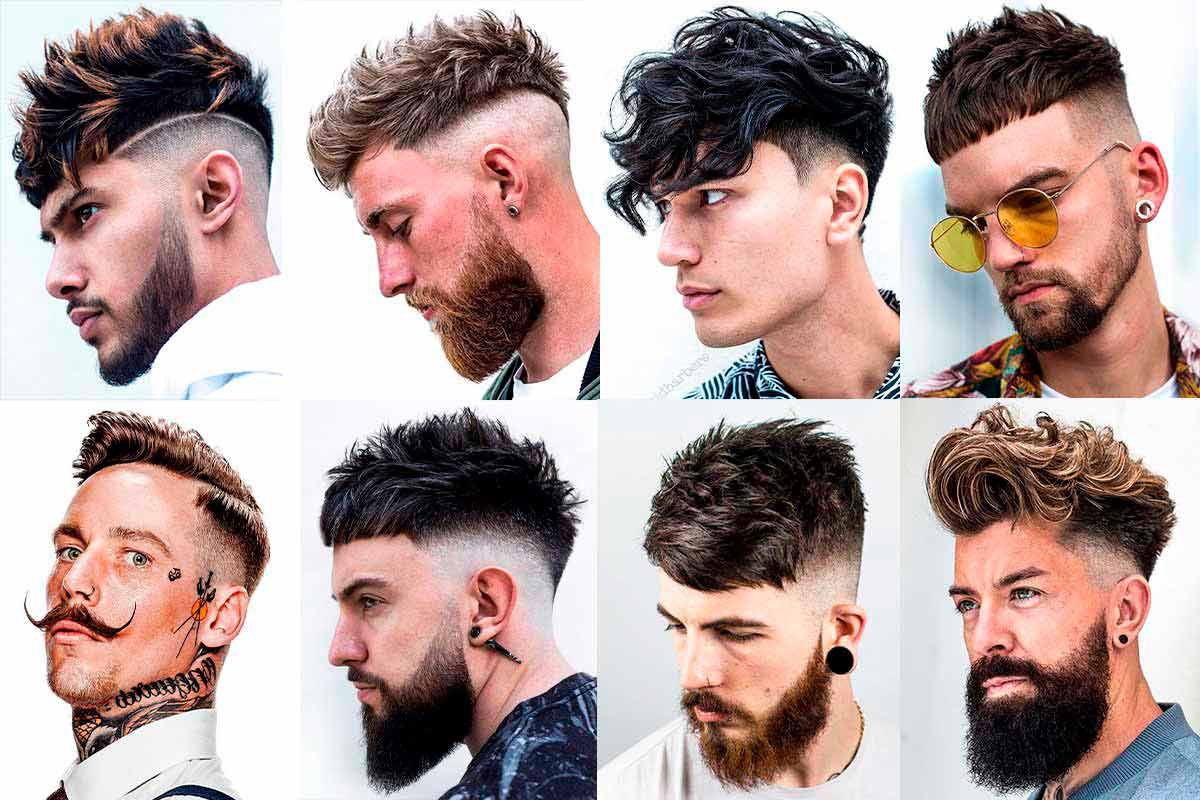
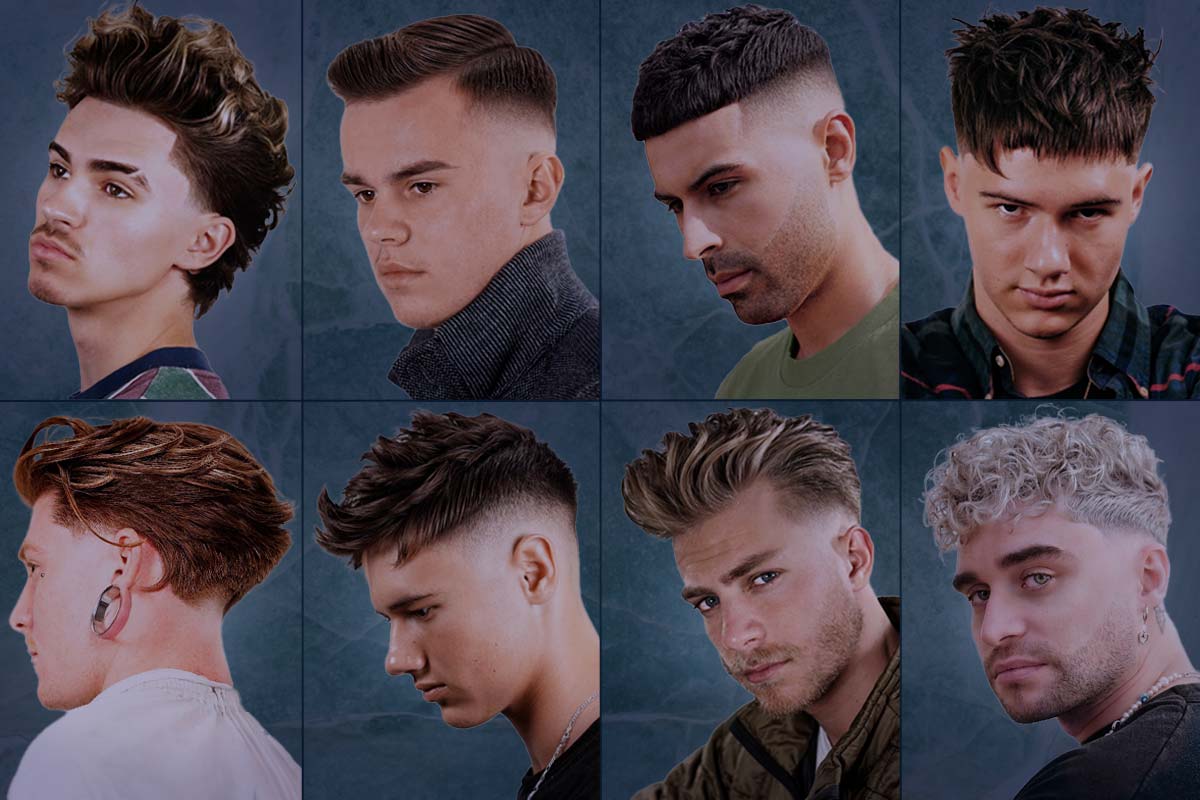
- The Crop: Similar to a pixie but often with a more uniform length on top, often styled forward with a textured fringe. It’s a popular choice for men, offering a neat yet stylish look.
- The Undercut/Side Shave: While not a complete style on its own, these elements involve shaving or cutting a section of hair very short (often the sides or nape) while leaving the top or other sections longer. They add an edgy, modern twist to various lengths.
B. Medium Hairstyles:
Offering the best of both worlds – versatility of long hair with less maintenance – medium-length styles are incredibly popular and adaptable.
- The Lob (Long Bob): A longer version of the bob, typically grazing the collarbone. It retains the chicness of a bob but allows for more styling options like waves, updos, and ponytails.
- The Shag: A heavily layered cut, often with bangs, that creates a voluminous, textured, and somewhat disheveled look. Popularized in the 70s, it has seen a modern resurgence, particularly for wavy and curly hair types.
- Layered Cuts: Adding layers to medium-length hair removes bulk, adds movement, and enhances texture. Layers can be long and subtle for a soft look or choppy and distinct for more edge.
- Shoulder-Length Cuts: A simple, classic cut that falls around the shoulders, offering a versatile base for various styles, from sleek and straight to voluminous curls.
C. Long Hairstyles:
Long hair is often associated with femininity, romance, and freedom, offering the most extensive range of styling possibilities, though it requires significant care and commitment.
- Long Layers: The most common approach to long hair, layers prevent it from looking heavy or shapeless, adding movement, volume, and dimension.
- One-Length Cut: Hair is cut to a single length all around, creating a blunt, strong statement. This style works particularly well for straight hair.
- Rapunzel/Extra-Long Hair: Hair that extends significantly past the waist, often symbolizing dedication and a unique aesthetic.
- Cascading Curls/Waves: Long hair beautifully showcases natural texture, allowing curls and waves to fall freely and create impressive volume.
II. By Texture: Embracing Natural Beauty
Hair texture – straight, wavy, curly, or coily – fundamentally dictates how a style will look and behave, and embracing one’s natural texture is key to effortless beauty.
A. Straight Hair:
Often sleek and shiny, straight hair can be styled for precision or volume.
- Blunt Cuts: Bobs, lobs, and one-length cuts highlight the straightness and create strong lines.
- Sleek Ponytails/Updos: The smoothness of straight hair makes it ideal for polished, sophisticated styles.
- Long Layers: Can add movement without sacrificing the sleekness.
B. Wavy Hair:
Characterized by an S-shaped pattern, wavy hair offers natural body and movement.
- Beach Waves: A popular, effortless look that enhances natural waves with minimal styling.
- Shags & Layered Cuts: These cuts work wonderfully with waves, encouraging their natural bounce and volume.
- Long Bobs/Lobs: Provide enough length for waves to form without becoming unruly.
C. Curly Hair:
Defined by distinct spirals or ringlets, curly hair requires specific care to maintain hydration and definition.
- Voluminous Cuts: Cuts that allow curls to expand and create a full, rounded shape.
- Deva Cut/Curly Cut: A specialized cutting technique where hair is cut dry, curl by curl, to enhance natural curl pattern and volume.
- Pineapple Updo: A loose, high ponytail or bun that protects curls overnight and maintains volume.
- Wash-and-Go: Embracing the natural curl pattern with minimal manipulation, often using specific products to define and moisturize.
D. Coily/Kinky Hair:
Featuring tight, dense coils, often with a Z-shaped pattern, coily hair is the most fragile and requires significant moisture and protective styling.
- Afro: A classic, voluminous style where hair is allowed to grow out naturally in a rounded shape, symbolizing pride and identity.
- Twists (Two-Strand Twists, Flat Twists): Hair is sectioned and twisted into patterns, offering a protective style that can also create defined curls when untwisted.
- Braids (Box Braids, Cornrows, Knotless Braids): Intricate braided styles that protect the hair, allow for growth, and offer immense versatility in design.
- Locs (Dreadlocks): Hair is intentionally matted and interlocked into rope-like strands, a spiritual and cultural style with ancient roots.
- Bantu Knots: Small, coiled buns created by twisting sections of hair, which can also create a crinkled texture when untwisted.
- Protective Styles: A broad category including braids, twists, and weaves, designed to minimize manipulation and protect natural hair from damage.
III. By Style & Technique: The Art of Hairdressing
Beyond length and texture, hairstyles are defined by the techniques used to create them, leading to an astonishing array of looks.
A. Updos & Formal Styles:
Hair is arranged upwards and away from the neck, often for formal occasions.
- The Bun: A timeless classic, ranging from sleek and high to low and messy.
- Chignon: A sophisticated bun typically worn at the nape of the neck, often incorporating twists or braids.
- Top Knot: A high, often messy bun positioned at the crown of the head.
- French Twist: Hair is gathered and twisted upwards, then secured vertically against the head, creating an elegant, elongated silhouette.
- Braided Updos: Incorporating various braids into an updo for intricate, romantic, or bohemian looks.
- Half-Up, Half-Down: A versatile style where the top section of hair is pulled back and secured, while the rest flows freely.
B. Braids & Twists:
An ancient and globally diverse art form, braids involve interweaving three or more strands of hair.
- Classic Braids:
- French Braid: Three strands are woven together, incorporating new sections of hair as you go, creating a braid that lies flat against the scalp.
- Dutch Braid (Reverse French Braid): Similar to a French braid, but strands are crossed under each other, making the braid stand out.
- Fishtail Braid: Created by taking small sections from the outer edges and crossing them over to the opposite side, resulting in a delicate, intricate pattern.
- Protective & Cultural Braids:
- Box Braids: Individual plaits created by sectioning hair into square or box-like parts, often with extensions.
- Cornrows: Braids woven very close to the scalp in continuous, raised rows, forming intricate patterns.
- Senegalese Twists: Two strands of hair (often with extensions) are twisted together tightly.
- Knotless Braids: A newer technique where extensions are fed into the braid gradually, reducing tension on the scalp.
- Micro Braids: Very tiny, individual braids, often done with natural hair or minimal extensions.
C. Ponytails:
A simple yet versatile style where hair is gathered and secured at the back of the head.
- High Ponytail: Sleek and energetic, often at the crown.
- Low Ponytail: Elegant and understated, at the nape of the neck.
- Side Ponytail: Playful and asymmetrical.
- Braided Ponytail: Incorporating braids into the ponytail itself or along the scalp leading to it.
D. Bangs (Fringes):
Sections of hair cut shorter and worn over the forehead.
- Blunt Bangs: Cut straight across the forehead, creating a strong, bold line.
- Curtain Bangs: Longer bangs parted in the middle and swept to the sides, framing the face.
- Wispy Bangs: Light, feathery bangs that are less dense than blunt bangs.
- Side-Swept Bangs: Bangs swept to one side of the forehead.
E. Layered Cuts:
Hair is cut at different lengths throughout, adding volume, movement, and shape.
- Face-Framing Layers: Shorter layers around the face to soften features.
- Long Layers: Subtle layers that add movement without sacrificing length.
- Choppy Layers: More distinct, uneven layers for an edgy, textured look.
F. Asymmetrical Cuts:
Hair is cut to different lengths on each side of the head, creating a striking, unbalanced look.
G. Textured Cuts:
Techniques like point cutting, slicing, or notching are used to remove bulk and create movement and texture within the hair.
H. Hair Coloring Techniques:
While not a "cut," coloring is an integral part of modern hairstyling, transforming the overall look.
- Highlights: Lighter strands woven throughout the hair for dimension.
- Balayage: A freehand painting technique for natural-looking, sun-kissed highlights.
- Ombre: A gradient effect where hair transitions from a darker root to lighter ends.
- Full Color: Uniform color applied from root to tip.
- Fashion Colors: Vibrant, non-natural hues like pink, blue, or purple.
IV. Cultural & Historical Influences: A Legacy of Style
Many hairstyles carry deep cultural, historical, or symbolic significance, transcending mere aesthetics.
- Dreadlocks/Locs: Originating in various ancient cultures worldwide, locs are formed by matting and coiling hair. They hold spiritual, cultural, and political significance for many, particularly within Rastafarianism and African diasporic communities.
- The Afro: A symbol of Black pride and identity in the 1960s and 70s, the afro celebrates the natural volume and texture of coily hair.
- Traditional Braiding Patterns: Many African, Indigenous, and Asian cultures have intricate braiding traditions passed down through generations, each pattern often carrying specific meanings or indicating status.
- Historical Eras: From the elaborate powdered wigs of the Baroque era to the sleek bobs of the Roaring Twenties and the voluminous bouffants of the 1960s, each period has left its indelible mark on hairstyle evolution.
V. Gender-Neutral & Fluid Styles: Breaking Boundaries
In contemporary society, traditional gender norms in hairstyles are increasingly dissolving. Many styles are now embraced by all genders, emphasizing personal preference over prescriptive roles. Pixie cuts, bobs, buzz cuts, long flowing hair, and various braided styles are seen on individuals across the gender spectrum, reflecting a more inclusive and expressive approach to personal grooming.
Choosing Your Canvas: Factors to Consider
With such an immense array of options, selecting a hairstyle can be a delightful challenge. Key factors to consider include:
- Face Shape: Certain cuts can flatter specific face shapes.
- Hair Type & Texture: The natural characteristics of your hair are paramount.
- Lifestyle: How much time and effort are you willing to invest in styling?
- Personal Style & Preference: What truly resonates with your aesthetic?
- Maintenance: Consider the frequency of trims, coloring, and daily styling.
- Current Trends: While not mandatory, trends can inspire new looks.
Conclusion
The world of hairstyles is a vibrant, ever-evolving landscape, a testament to human creativity and the profound desire for self-expression. From the simplest trim to the most intricate braided masterpiece, each hairstyle tells a unique story, reflecting personal taste, cultural heritage, and the prevailing spirit of an era. Understanding the diverse types, their origins, and their potential allows us to appreciate hair not just as a part of our anatomy, but as a dynamic, personal canvas, inviting endless experimentation and celebration of individuality. So, whether you opt for a bold buzz cut, cascading curls, or an elegant updo, remember that your hair is an extension of who you are – a beautiful, ever-changing statement to the world.