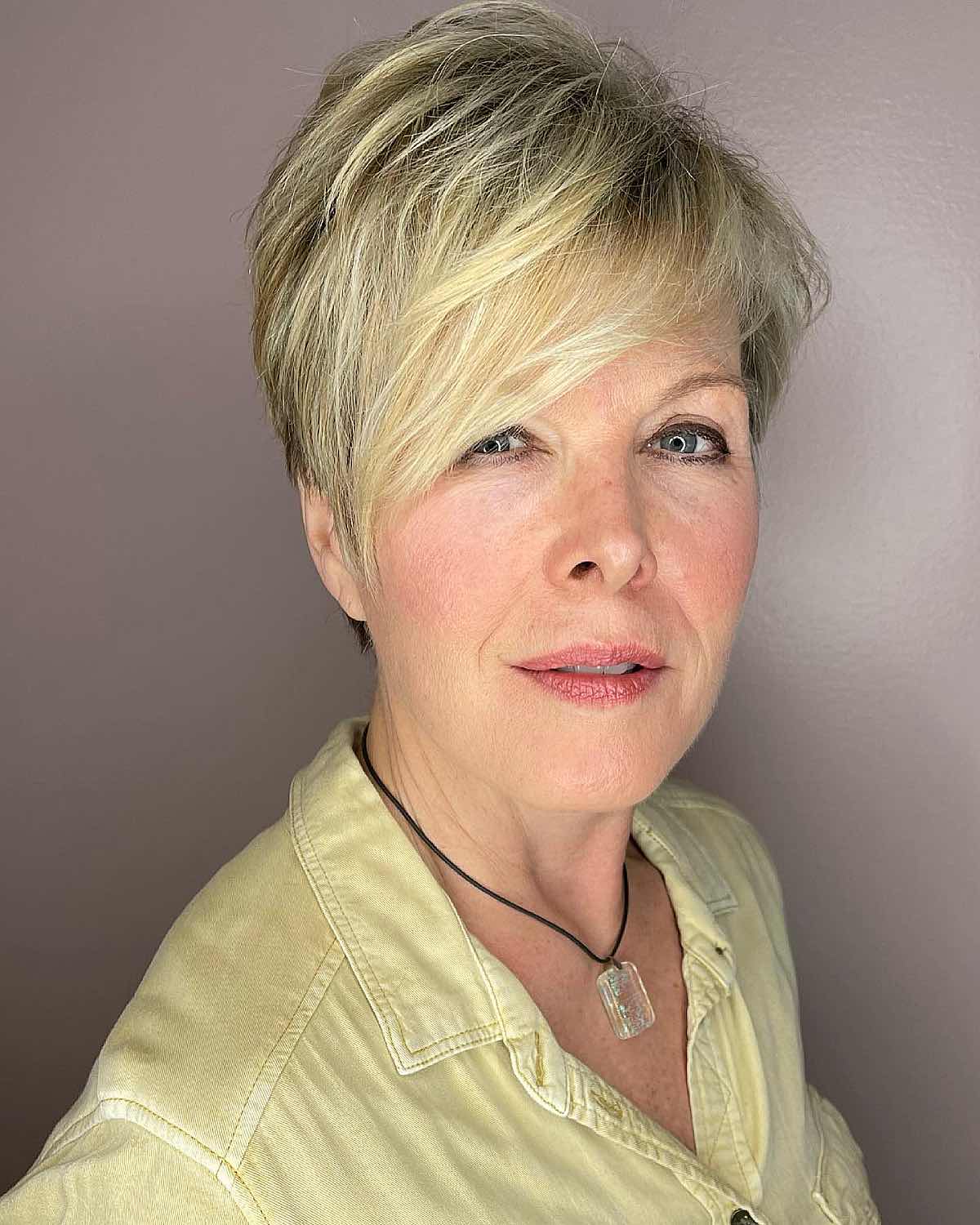
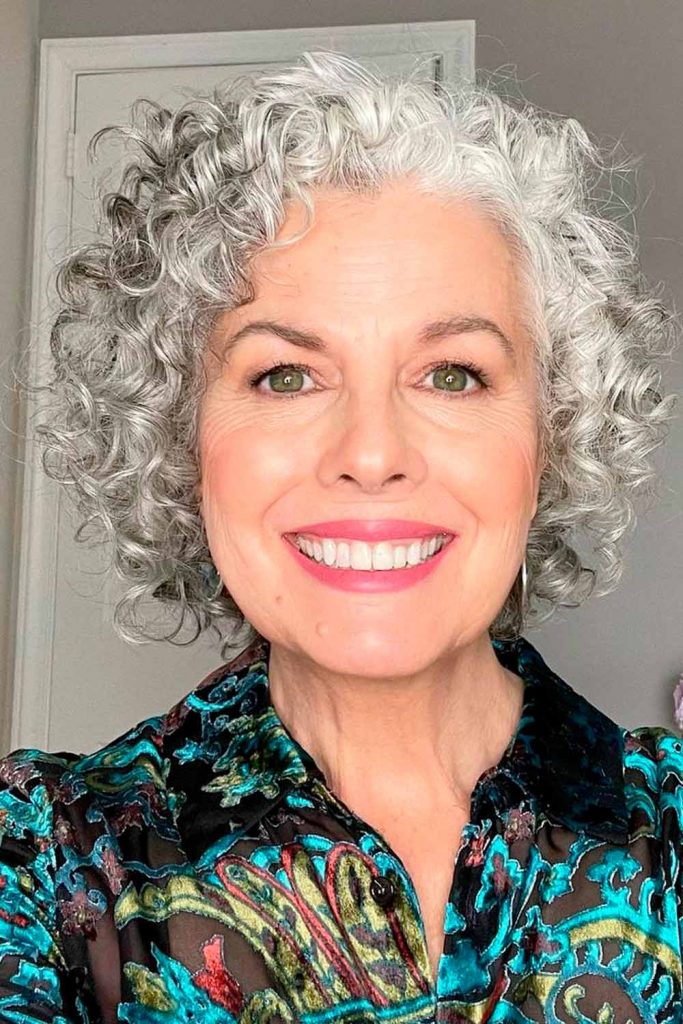
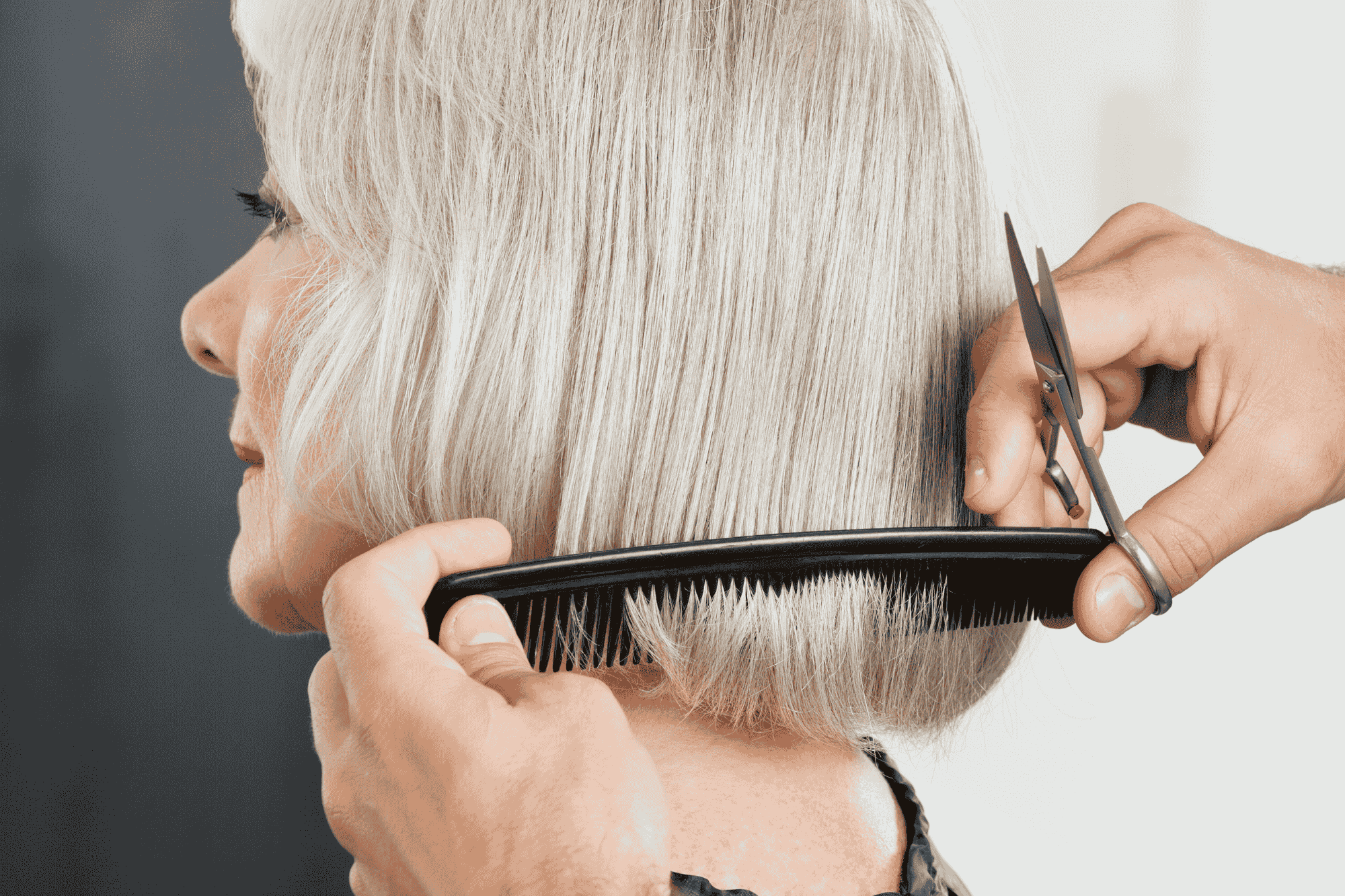
Walk into any senior center, nursing home, or even a bustling supermarket, and a striking observation often presents itself: a significant majority of elderly women sport short hairstyles. From elegant bobs and practical pixie cuts to softly layered styles that frame the face, the prevalence of shorter locks among this demographic is undeniable. This widespread phenomenon isn’t merely a matter of coincidence or a fleeting trend; it’s a complex interplay of practical considerations, physiological changes, societal expectations, and evolving personal identities. To understand why so many elderly women opt for the "big chop," we must delve into a tapestry of factors that shape their choices.
One of the most immediate and compelling reasons behind the preference for short hair among older women is practicality and ease of maintenance. As individuals age, the physical demands of daily life can become more challenging. Arthritis in the hands, reduced shoulder mobility, general fatigue, or even simply the diminished stamina to stand for extended periods can make the elaborate rituals associated with long hair an arduous task. Washing, conditioning, detangling, blow-drying, and styling long hair can be time-consuming and physically taxing. Short hair, by contrast, is a beacon of efficiency. It dries quickly, requires minimal product, and can often be styled with just a brush and a few minutes, freeing up precious time and energy for more enjoyable activities or simply for rest. For those with limited mobility or who rely on caregivers, short hair is also significantly easier for others to manage, ensuring hygiene and comfort without undue struggle.
Beyond the practicalities of styling, physiological changes in hair itself play a crucial role. With age, hair often undergoes significant transformations. It tends to become finer, more brittle, and less voluminous due to changes in hair follicle activity and a decrease in natural oil production. The vibrant pigment that once defined a woman’s youth gradually gives way to shades of grey and white, which often have a coarser, more wiry texture. Long, thinning hair can appear wispy and lifeless, clinging to the scalp and highlighting areas of reduced density. Short styles, however, can cleverly counteract these changes. A well-cut short style can create the illusion of thickness and volume, giving the hair a fuller, healthier appearance. The inherent texture of grey hair can also be beautifully showcased in a short cut, adding character and sophistication rather than appearing unruly. Furthermore, the natural oils that are produced become less effective at lubricating the entire length of long hair, leading to dryness and breakage. Short hair requires less natural oil distribution, making it easier to keep moisturized and healthy.
Societal norms and historical trends have also profoundly shaped the perception of "age-appropriate" hairstyles. For generations, long hair has been symbolically linked with youth, fertility, and conventional femininity. Conversely, short hair has often been associated with maturity, practicality, and a certain no-nonsense elegance. This perception isn’t entirely arbitrary; it has roots in the evolution of fashion and social roles. In the early to mid-20th century, as women entered the workforce in greater numbers and sought more freedom, shorter hairstyles like the bob and the pixie gained popularity, symbolizing liberation and modernity. As these women aged, they often maintained their shorter styles, which had become synonymous with their independent identities and practical lifestyles. The idea that long hair on an older woman might be perceived as "trying too hard" or "unsuitable" became an unspoken rule in many cultures, subtly influencing choices even if consciously unacknowledged. While these norms are slowly evolving, the ingrained cultural messaging can still exert a powerful influence on how women choose to present themselves as they age.
Comfort and health considerations further contribute to the preference for shorter hair. Long, heavy hair can be surprisingly uncomfortable, especially in warmer climates or during periods of hormonal changes like menopause, which can bring hot flashes. The weight of long hair can also cause headaches or neck strain for some individuals. For those undergoing medical treatments such as chemotherapy, which often leads to hair loss, a short cut can be a compassionate choice, making the transition less jarring and allowing for easier management during regrowth. Similarly, for women who may be spending extended periods in hospitals or who are bedridden, short hair is simply more hygienic and comfortable, preventing tangles and discomfort against pillows.
Moreover, the cost and frequency of salon visits can be a factor. While short hair requires more frequent trims to maintain its shape, the actual cost per visit might be lower due to less product usage and quicker styling time. For women on fixed incomes, this can be a significant consideration. Furthermore, the ability to manage one’s hair at home between salon appointments is greatly enhanced with a shorter style, reducing reliance on professional services.
Finally, and perhaps most profoundly, the choice to wear short hair can be an act of personal empowerment and identity redefinition. For many elderly women, embracing a short hairstyle is not a surrender to age but a deliberate choice that reflects a mature understanding of their own beauty and priorities. It can be a statement of confidence, a rejection of youth-centric beauty standards, and an embrace of a more authentic self. It signifies a stage of life where comfort, practicality, and self-acceptance often take precedence over the pursuit of fleeting trends or external validation. Short hair can be incredibly chic, sophisticated, and liberating, allowing a woman to focus on her facial features, her eyes, and her overall presence rather than her hair as a primary accessory. It represents a shift from trying to appear younger to embracing the wisdom and grace that come with age. For many, it’s about reclaiming time and energy, redirecting it towards passions, family, and personal well-being, rather than spending hours on hair care.
While the trend of elderly women having short hair is pervasive, it is crucial to remember that it is not a universal truth. A growing number of older women are confidently sporting long, flowing grey or colored locks, challenging traditional norms and celebrating their individuality. However, the dominant pattern remains, rooted in a complex interplay of practicalities, physiological changes, societal influences, comfort, and personal agency. The "crown of convenience" worn by so many elderly women is far more than just a hairstyle; it is a reflection of a life lived, lessons learned, and a graceful adaptation to the evolving journey of aging. It speaks to a quiet strength, a discerning eye for practicality, and a profound sense of self that transcends superficial aesthetics.