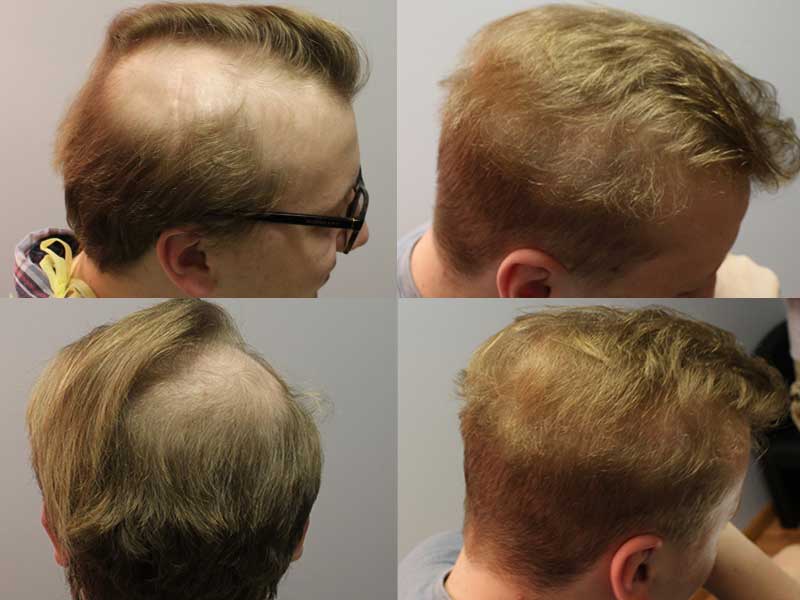
For individuals facing brain surgery, the primary focus is, understandably, on the procedure itself and the medical outcome. Yet, as the immediate crisis subsides and the long road to recovery begins, a surprisingly common and deeply personal concern often emerges: "Will my hair grow back?" Beyond the profound medical implications, the loss of hair, whether from shaving, surgical trauma, or subsequent treatments, can significantly impact a patient’s self-esteem and sense of normalcy. This article delves into the multifaceted answer to this question, exploring the various factors that influence hair regrowth after brain surgery, what to expect, and how to navigate this aspect of recovery.
The Immediate Aftermath: Shaving and Surgical Trauma
The most immediate and universal reason for hair loss around the surgical site is the necessity of shaving. To ensure a sterile field and provide the surgeon with clear access, a portion, or sometimes all, of the scalp hair is typically removed before a craniotomy or other brain procedures. This hair loss is, by its nature, temporary and superficial. The hair follicles themselves are not damaged by shaving, and regrowth usually begins within a few weeks, becoming noticeable within a month or two.
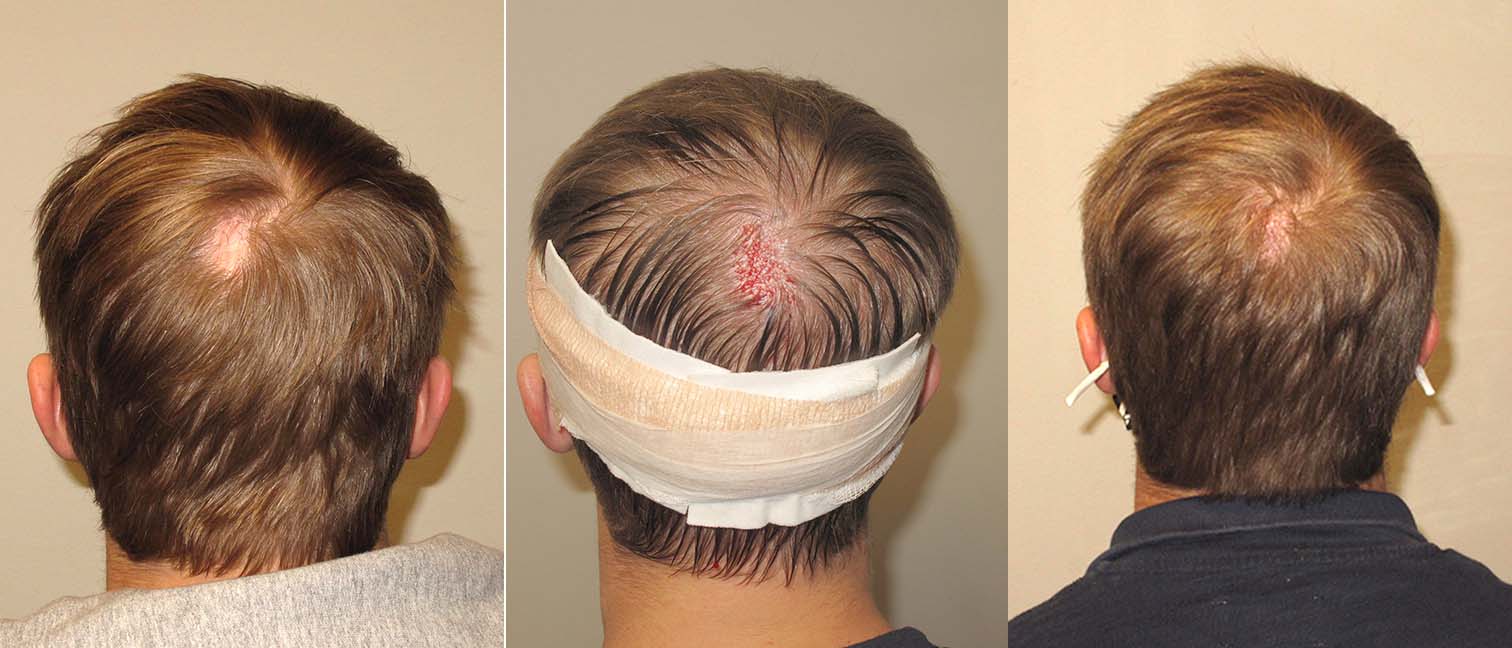
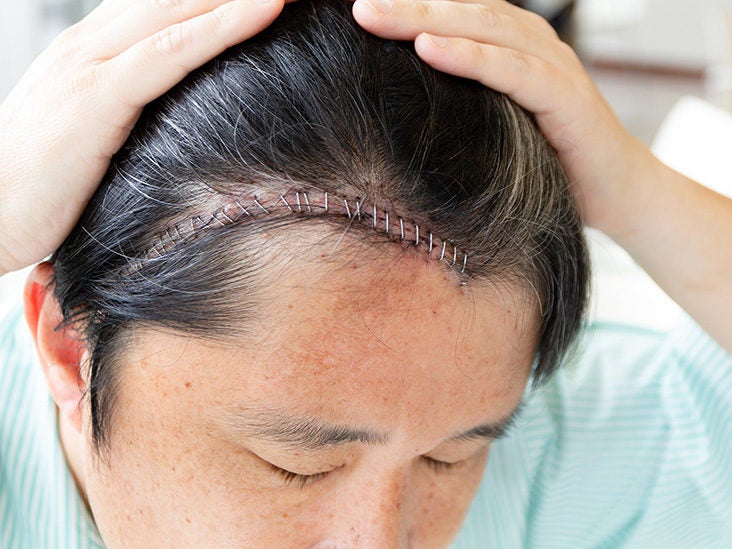
However, the surgical incision itself can also play a role. The act of cutting through the skin, even with the most precise techniques, can temporarily traumatize hair follicles directly along the incision line. In some cases, scar tissue formation can impede or permanently prevent hair growth in a very narrow band directly over the scar. This is usually a minor cosmetic issue, as surrounding hair often grows to cover the area. More extensive damage to follicles from heat (e.g., from cautery) or prolonged pressure during surgery is rare but can lead to more localized patches of permanent hair loss.
Beyond the Shave: Systemic and Targeted Treatments
While shaving is a temporary measure, other aspects of brain surgery recovery can lead to more significant and sometimes prolonged hair loss. These include:
-
Medication-Induced Hair Loss (Telogen Effluvium):
Brain surgery is a major physiological stressor. The body’s resources are diverted to healing, and the shock can push a large number of hair follicles prematurely into the "resting" phase (telogen). This phenomenon, known as telogen effluvium, typically results in diffuse hair thinning rather than bald patches, and the shedding usually occurs 2-4 months after the stressful event. Medications commonly prescribed post-surgery, such as certain anti-seizure medications, steroids (like dexamethasone), and even general anesthesia, can also contribute to telogen effluvium. This type of hair loss is almost always temporary, with full regrowth expected once the body recovers and the medications are adjusted or discontinued. -
Radiation Therapy:
For many brain tumor patients, surgery is followed by radiation therapy to eliminate any remaining cancer cells. Radiation targets rapidly dividing cells, and unfortunately, hair follicle cells are among the fastest-dividing cells in the body. The extent and permanence of hair loss from radiation therapy depend heavily on the dose of radiation, the specific area treated, and the number of treatment sessions:- Low Doses/Fractionated Radiation: May cause temporary thinning or patchy hair loss. Hair usually regrows within 3-6 months after treatment ends, though it might be finer, a different color, or have a altered texture.
- Moderate Doses: Can lead to more significant hair loss, and regrowth may be incomplete or take much longer (6-12 months or more).
- High Doses: Can cause permanent hair loss in the treated area, as the follicles are irreversibly damaged. This is more common with highly targeted radiation fields directly over the scalp where a tumor was located.
It’s crucial to discuss the expected hair loss with your radiation oncologist, as they can provide specific information based on your treatment plan.
-
Chemotherapy:
While less common for primary brain tumors than for systemic cancers, some patients may receive chemotherapy, either orally or intravenously, as part of their treatment plan. Chemotherapy drugs are designed to kill rapidly dividing cancer cells, but they also affect other fast-growing cells, including hair follicle cells.- Anagen Effluvium: This is the most common type of chemotherapy-induced hair loss, where hair falls out during its active growth phase (anagen). Hair loss can be rapid, significant, and often affects the entire scalp, as well as eyebrows, eyelashes, and body hair.
- Temporary Nature: For most chemotherapy regimens, hair loss is temporary. Regrowth typically begins within weeks to a few months after the last dose of chemotherapy. The new hair may initially be very fine, have a different texture (often curlier), or even a different color before returning to its pre-treatment state.
-
Stress and Nutritional Factors:
The entire experience of brain surgery – the diagnosis, the procedure, the recovery, and the emotional toll – is immensely stressful. Chronic stress can impact the hair growth cycle, contributing to telogen effluvium. Furthermore, the body’s increased metabolic demands during healing, coupled with potential appetite changes or difficulties with nutrition post-surgery, can lead to deficiencies in vitamins, minerals, and protein essential for healthy hair growth.
The Hair Growth Cycle: A Brief Overview
To understand regrowth, it helps to know the basics of the hair growth cycle:
- Anagen (Growth Phase): The active growth phase, lasting 2-7 years. Most of your hair is in this phase.
- Catagen (Transition Phase): A short phase (2-3 weeks) where hair growth stops and the follicle shrinks.
- Telogen (Resting Phase): The follicle rests for about 3 months, after which the old hair sheds, and a new anagen hair begins to grow.
Disruptions like severe stress, medications, or radiation can prematurely push hairs into the telogen phase (telogen effluvium) or damage follicles during the anagen phase (anagen effluvium from chemo/radiation), leading to hair loss.
The Road to Regrowth: What to Expect
The timeline and characteristics of hair regrowth vary significantly depending on the underlying cause of hair loss:
- Post-Shave/Surgical Incision: Hair typically starts to reappear as stubble within 1-2 weeks. Noticeable growth, enough to cover the scalp, usually takes 1-3 months.
- Telogen Effluvium: Once the stressor is removed and the body recovers, hair shedding usually slows down within a few months. Regrowth then begins, with noticeable improvement over 3-6 months, and full recovery often taking 6-12 months.
- Chemotherapy-Induced Hair Loss: Regrowth usually starts within weeks to a few months after the last chemotherapy treatment. The initial growth may be soft and fine, often described as "baby hair." It can take 6-12 months for the hair to regain its pre-treatment thickness and texture.
- Radiation-Induced Hair Loss: This is the most variable. If the dose was low, regrowth may begin within 3-6 months. For moderate doses, it can take 6-12 months or longer, and the hair may be thinner or patchy. With high doses, permanent hair loss in the treated area is a possibility.
What to Expect During Regrowth:
- Texture and Color Changes: It’s common for new hair to grow back with a different texture (e.g., curlier, straighter, finer) or even a slightly different color than before. This is usually temporary, and the hair often reverts to its original characteristics over time.
- Patchiness and Scarring: Hair may grow back unevenly, with some areas growing faster or thicker than others. The area directly over the surgical scar may have little to no growth, but surrounding hair often covers it.
- Scalp Sensitivity: The scalp may feel numb, tingly, itchy, or tender during the healing and regrowth process. This is normal as nerves regenerate.
- Patience is Key: Hair grows slowly, typically about half an inch per month. The process of full recovery can take many months to over a year.
Nurturing Regrowth: Practical Tips for Scalp and Hair Care
While you cannot force hair to grow faster than its natural cycle, you can create an optimal environment for healthy regrowth and minimize further damage:
-
Gentle Hair Care:
- Washing: Use a mild, sulfate-free shampoo and conditioner. Wash gently, avoiding vigorous scrubbing.
- Drying: Pat hair dry with a soft towel instead of rubbing. Avoid harsh blow-drying, flat irons, or curling irons, especially on a sensitive scalp. Air-drying is best.
- Combing: Use a wide-tooth comb or a soft-bristle brush. Detangle gently, starting from the ends.
- Styling: Avoid tight hairstyles (ponytails, braids) that can pull on the hair follicles.
-
Avoid Harsh Chemicals:
- Postpone perms, chemical straightening, and harsh dyes until your hair is fully recovered and strong. Consult your medical team before using any chemical treatments.
-
Nutrition and Hydration:
- Maintain a balanced diet rich in protein, iron, zinc, biotin, and vitamins (especially A, C, D, and E). These nutrients are crucial for hair health.
- Stay well-hydrated by drinking plenty of water.
- If appetite is an issue, discuss nutritional supplements with your doctor or a dietitian.
-
Scalp Protection:
- Protect your sensitive scalp from the sun with hats, scarves, or sunscreen (once cleared by your doctor). Sunburn can further irritate the scalp and impede healing.
- Keep the scalp clean to prevent infection, especially around the incision site. Follow your surgeon’s instructions for wound care.
-
Manage Stress:
- Engage in stress-reducing activities like meditation, yoga, light exercise (as cleared by your doctor), or spending time in nature. Chronic stress can exacerbate hair loss.
-
Coping Strategies:
- For many, hair loss is an emotional challenge. Consider using wigs, scarves, hats, or turbans to feel more comfortable and confident during the regrowth phase. Many organizations offer resources for obtaining wigs.
- Connect with support groups or talk to a therapist if the emotional impact of hair loss is significant.
The Psychological Dimension
It’s vital to acknowledge that hair loss after brain surgery is not merely a cosmetic issue. It can be a highly visible reminder of a life-altering event, impacting body image, self-esteem, and social interactions. Patients may feel vulnerable, less attractive, or even struggle with their identity. Healthcare providers should address these concerns with empathy and offer resources for psychological support. Understanding that hair loss is a common and often temporary side effect can help alleviate some of the anxiety.
When to Consult a Professional
While regrowth is the norm, there are instances when it’s advisable to consult your medical team or a dermatologist:
- No Regrowth: If after several months there is no sign of regrowth in areas where it was expected.
- Persistent Patchy Loss: If specific patches of hair loss persist and do not show signs of improvement.
- Scalp Issues: If you experience severe itching, pain, redness, swelling, or signs of infection on your scalp.
- Extreme Texture Changes: If the new hair is significantly different and causes distress.
Conclusion
The question of whether hair will grow back after brain surgery carries significant weight for many patients. The reassuring news is that, in the vast majority of cases, hair does grow back. While the initial shaving is a temporary inconvenience, the more complex factors of medication, radiation, and chemotherapy can lead to more substantial and prolonged hair loss.
Understanding the potential causes, the typical timelines for regrowth, and how to care for your scalp and emerging hair can empower patients on their recovery journey. Patience, gentle care, good nutrition, and emotional support are crucial allies. While the focus must always remain on health and healing, acknowledging and addressing the concerns around hair regrowth is an important part of supporting a patient’s holistic recovery and helping them regain a sense of normalcy and confidence.