From the earliest flickers of human civilization to the hyper-connected digital age, hair has occupied a unique and often paramount position in the lives of women. Far more than mere biological filaments, a woman’s hair is a dynamic tapestry woven from strands of identity, self-expression, cultural heritage, and deeply personal narratives. It is a silent language, a powerful symbol, and an intimate extension of self that profoundly impacts self-perception, social interaction, and emotional well-being. To understand why hair is so important to women is to delve into a complex interplay of history, psychology, sociology, and individual experience, revealing a connection that runs far deeper than superficial aesthetics.
Historically, hair has been an undeniable marker of status, health, and fertility across diverse cultures. In ancient Egypt, elaborate wigs and braided styles signified wealth and power, while in Roman society, a woman’s hair was often a public declaration of her marital status and social standing. Indigenous cultures across the globe have revered hair as a spiritual conduit, a repository of strength, and a symbol of wisdom, often braiding it with sacred objects or keeping it uncut as a sign of respect for ancestral ties. Evolutionary psychology also posits that long, lustrous hair served as a clear indicator of a woman’s health, youth, and reproductive vitality, making it an unconscious signal of desirability and genetic fitness. This deep-seated historical and evolutionary significance has embedded itself into the collective unconscious, contributing to hair’s enduring power and perceived value.
Beyond its ancient roots, hair serves as one of the most immediate and versatile canvases for a woman’s identity and self-expression. Unlike clothing, which can be changed daily, hair is a semi-permanent fixture, a constant companion that evolves with her. It is a personal narrative, a visual autobiography that can reflect her mood, her aspirations, her rebellion, or her conformity. A dramatic chop might signify a new beginning, a break from the past, or a reclaiming of autonomy. A vibrant color could be an outward manifestation of an inner wildness, a creative spirit, or a desire to stand out. Conversely, a classic, understated style might convey professionalism, elegance, or a quiet confidence. The sheer variety of textures, colors, and styles available allows women to craft and re-craft their public persona, experimenting with different facets of their identity as they navigate life’s various stages. This agency over one’s appearance, particularly over something as visible and malleable as hair, offers a powerful sense of control and self-determination in a world that often seeks to define women.
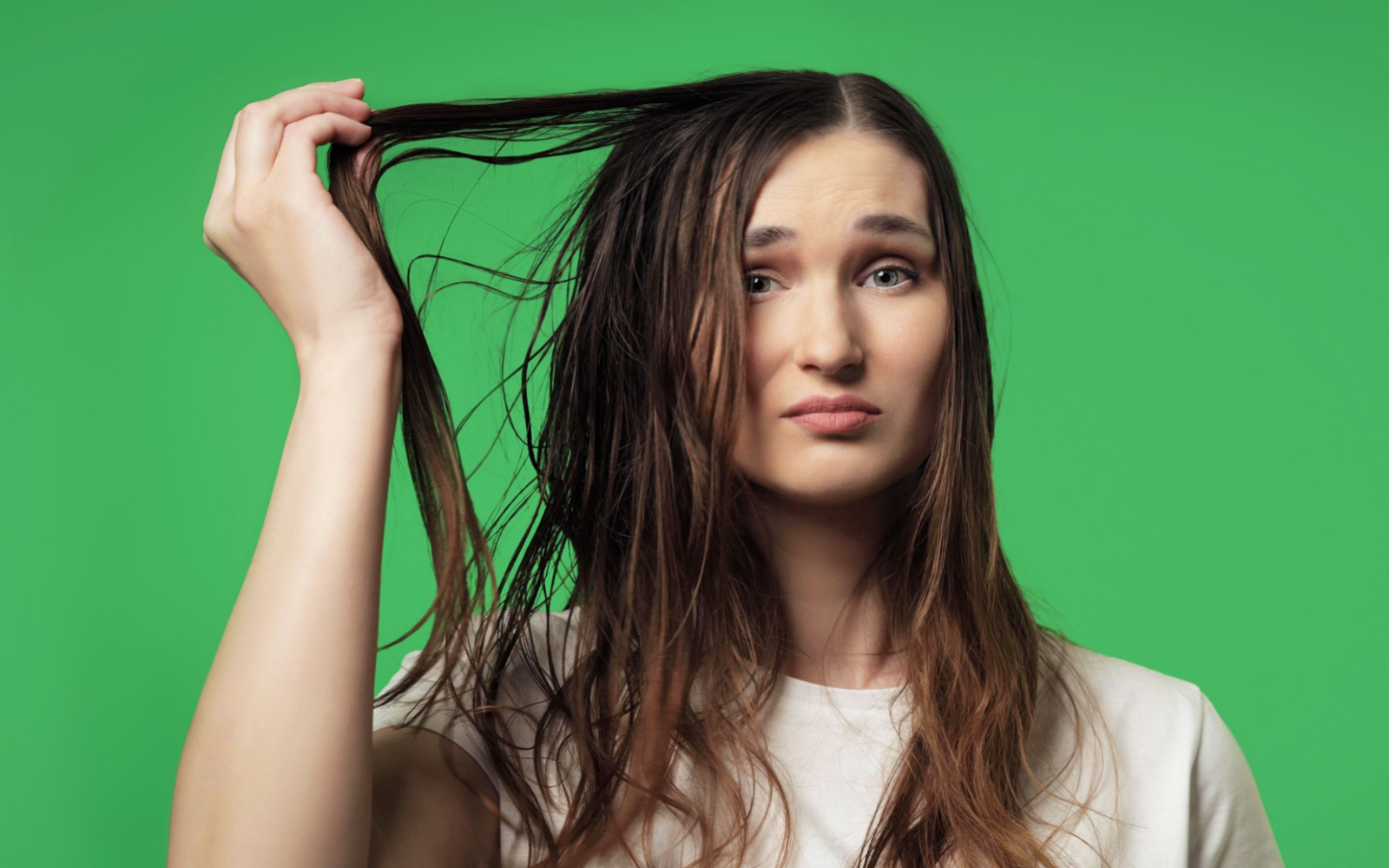
The psychological impact of hair on a woman’s self-esteem and confidence cannot be overstated. The ubiquitous "good hair day" phenomenon is not merely a trivial observation; it’s a testament to the profound effect hair can have on one’s mood and self-perception. When hair feels healthy, styled, and "right," it can elevate a woman’s spirits, making her feel more attractive, capable, and ready to face the world. This boost in confidence can translate into greater assertiveness in professional settings, more ease in social interactions, and a general sense of well-being. Conversely, a "bad hair day" can trigger feelings of self-consciousness, inadequacy, and even anxiety, causing a woman to withdraw or feel less confident in her abilities. This deeply personal connection highlights how hair is not just about external appearance, but about an internal feeling of worthiness and self-acceptance. It acts as a psychological barometer, reflecting and influencing a woman’s inner state.
Societal and cultural pressures further amplify hair’s importance. From childhood, girls are bombarded with images of idealized hair – long, flowing, perfectly styled locks often associated with beauty, success, and femininity. Media, advertising, and the beauty industry perpetuate these standards, creating a powerful narrative that often links a woman’s attractiveness and value to the condition and style of her hair. While these pervasive ideals can be liberating for some, offering inspiration and tools for self-expression, they can also be incredibly restrictive and damaging, fostering insecurity and an relentless pursuit of an often unattainable perfection. The pressure to conform to specific hair trends, or to maintain a certain "feminine" look, can be immense, leading women to spend significant time, money, and emotional energy on their hair.
Beyond these broader societal influences, hair also plays a significant role in cultural traditions and rites of passage. In many cultures, hair styling is an integral part of wedding ceremonies, symbolizing purity, new beginnings, or the joining of families. For some religious groups, head coverings or specific hair treatments are expressions of devotion, modesty, or community identity. In others, the cutting of hair can signify mourning, a break from the past, or a transition into adulthood. These deeply ingrained cultural practices imbue hair with layers of meaning that extend far beyond personal preference, connecting individual women to their heritage and collective identity.
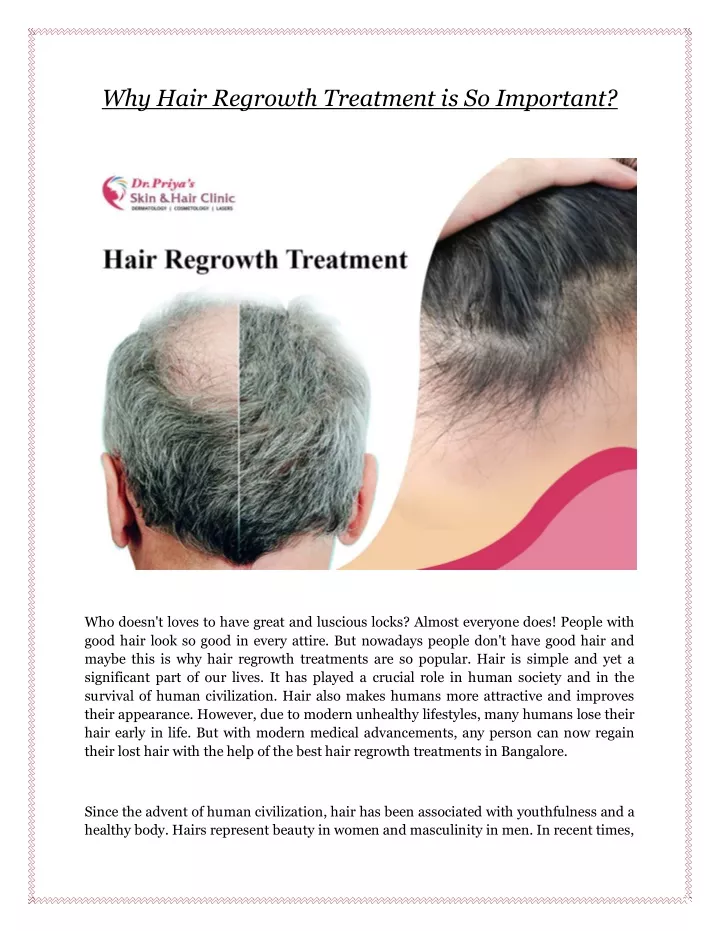
The emotional and psychological connection to hair is also evident in times of significant life changes or trauma. Hair loss, whether due to illness like cancer (chemotherapy), autoimmune conditions like alopecia, or the natural process of aging, can be a profoundly distressing experience for women. The loss of hair often feels like a loss of identity, a visible sign of vulnerability, and a challenge to one’s sense of femininity and attractiveness. The emotional toll can be immense, impacting self-esteem and mental health. Conversely, the act of caring for one’s hair – washing, brushing, styling – can be a therapeutic ritual, a moment of self-care and mindfulness that provides comfort and a sense of control in an often chaotic world. It’s a small, daily act of nurturing oneself, reinforcing the idea that one is worthy of care and attention.
Furthermore, hair is a living testament to a woman’s health and vitality. Shiny, strong hair is often indicative of good nutrition, adequate hydration, and overall well-being. Conversely, dull, brittle, or thinning hair can be a warning sign of underlying health issues, stress, or nutritional deficiencies. This biological link reinforces hair’s importance as a visible indicator of internal health, making its condition a source of both pride and concern.
In conclusion, the profound importance of hair to women is a multifaceted phenomenon rooted in historical significance, evolutionary psychology, cultural narratives, and deeply personal experiences. It serves as a powerful tool for identity construction and self-expression, a significant determinant of self-esteem and confidence, and a vital component of cultural and societal interaction. From the ancient past to the present day, hair has remained a potent symbol of femininity, health, status, and individuality. While societal pressures can sometimes make this connection burdensome, for most women, their hair remains an intimate, dynamic, and cherished part of who they are – a crown they wear, reflecting their inner world and their place within the broader human tapestry. It is a testament to the enduring power of personal adornment, and a reminder that true beauty often resides in the intricate interplay between the self and the symbols we choose to embody.