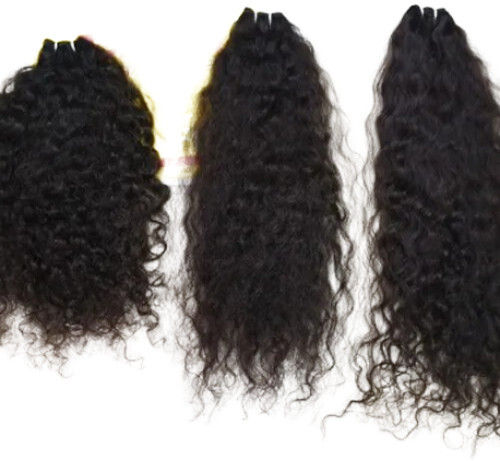
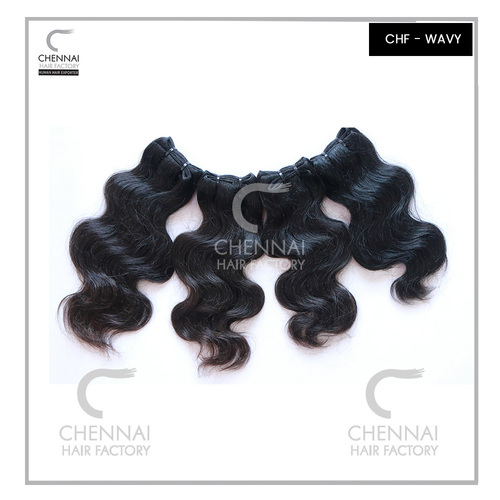
India, a land of unparalleled diversity, is a vibrant mosaic of cultures, languages, climates, and physiognomies. This rich tapestry extends even to the crowning glory of its people – their hair. Far from a monolithic entity, Indian hair encompasses an astonishing spectrum of textures, densities, porosities, and colours, each influenced by a complex interplay of genetics, regional variations, environmental factors, and traditional care practices. Understanding this intricate diversity is key to appreciating the unique beauty of Indian hair and formulating effective, personalized care routines.
At its core, hair type is primarily determined by the shape of the hair follicle, which is genetically inherited. A perfectly round follicle tends to produce straight hair, an oval follicle results in wavy hair, and a flat or ribbon-like follicle gives rise to curly or coily hair. While this fundamental principle holds true globally, the specific prevalence and characteristics of these types vary significantly across populations. In India, the vast genetic pool, stemming from millennia of migrations and intermingling of various ethnic groups, has given rise to a fascinating array of hair types.
The Fundamental Classifications: Texture, Density, and Porosity
To truly categorize Indian hair, we must look beyond just its visual appearance and delve into three critical aspects: texture, density, and porosity.
1. Hair Texture (Curl Pattern):
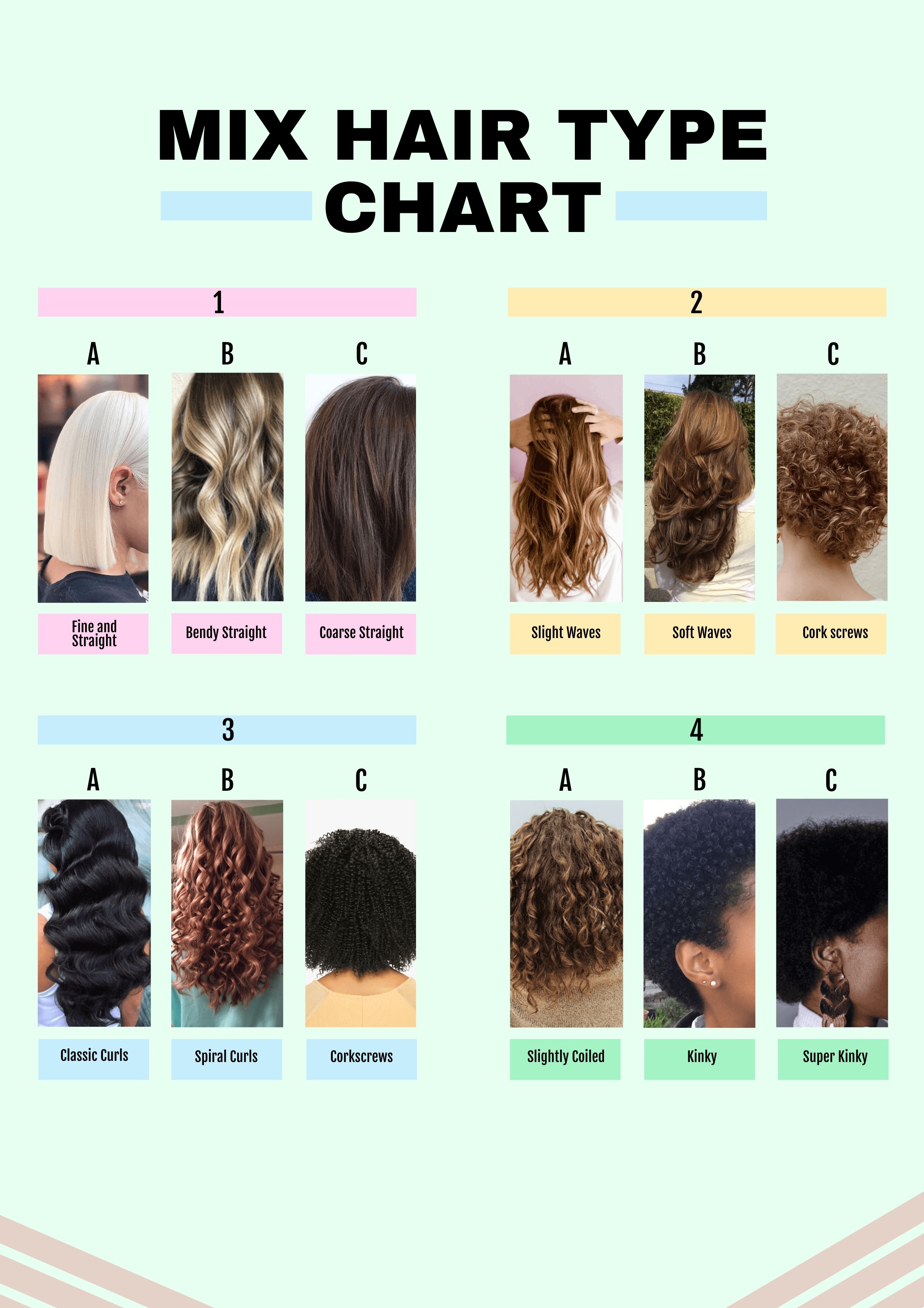
This is perhaps the most immediately recognizable characteristic. While the global hair typing system (Andre Walker’s system, ranging from Type 1 Straight to Type 4 Coily) provides a useful framework, it’s important to remember that most individuals exhibit a combination of these types, and often, their hair can fall between categories.
-
Type 1: Straight Hair:
- Characteristics: Lacks natural curl, lies flat from root to tip, often appears shiny due to the smooth cuticle allowing light reflection. Can range from very fine and thin (1A) to thick and coarse (1C).
- Prevalence in India: Straight hair is quite common across India, particularly noticeable in communities with East Asian genetic influences, such as those in the Northeastern states (e.g., Nagaland, Manipur, Mizoram) and parts of West Bengal. It is also found in varying degrees in other regions, though often with more body than pin-straight hair.
- Care Considerations: Tends to get oily quickly as natural oils travel down the shaft easily. Can lack volume. Benefits from lightweight products, frequent washing, and volumizing treatments.
-
Type 2: Wavy Hair:
- Characteristics: Forms an S-shape or gentle waves, ranging from loose, barely-there waves (2A) to more defined, almost curly waves (2C). It has more body than straight hair but less definition than curly hair.
- Prevalence in India: Wavy hair is arguably the most common hair type across the Indian subcontinent. From the northern plains to the southern coasts, many Indians exhibit a beautiful spectrum of waves. The hair often has a natural bounce and movement.
- Care Considerations: Prone to frizz, especially in humid climates. Can be a mix of oily roots and dry ends. Benefits from moisture-rich but not heavy products, curl-enhancing creams, and air-drying or diffusing to maintain wave pattern.
-
Type 3: Curly Hair:
- Characteristics: Forms distinct, well-defined curls that can range from loose, bouncy spirals (3A) to tight, springy corkscrews (3C). It often has significant volume and bounce.
- Prevalence in India: Curly hair is highly prevalent, especially in the southern states (e.g., Kerala, Tamil Nadu, Karnataka) and coastal regions, where humidity and certain genetic predispositions play a role. Many tribal communities also exhibit beautiful, tightly coiled curls.
- Care Considerations: Extremely prone to dryness and frizz due to the raised cuticle layers. Requires significant moisture, deep conditioning, leave-in conditioners, and gentle handling to prevent breakage. Co-washing (conditioner-only washing) is often beneficial.
-
Type 4: Coily/Kinky Hair:
- Characteristics: Features very tight, small, zigzag patterns or coils that are often densely packed. It can appear shorter than its actual length due to the tight curl pattern. Ranges from loosely coiled (4A) to tightly packed, almost invisible coils (4C).
- Prevalence in India: While less common than Type 2 or 3, Type 4 hair is found in certain indigenous and tribal communities, particularly in parts of central and eastern India, and among some groups with African ancestral links. It’s a testament to India’s vast genetic diversity.
- Care Considerations: The most fragile hair type due to numerous bends in the strand, making it susceptible to breakage. Requires maximum moisture, protective styling, gentle detangling, and low manipulation. Oils and butters are essential for sealing in moisture.
2. Hair Density:
Density refers to the number of individual hair strands per square inch on the scalp. It’s often confused with hair thickness (strand diameter), but they are distinct.
- Low Density: Fewer strands, scalp may be visible.
- Medium Density: Average number of strands.
- High Density: Many strands, scalp is not easily visible.
Many Indians, particularly those with wavy or curly hair, often possess high hair density, giving the impression of a very full and voluminous mane. However, individuals with fine, straight hair can have low or medium density.
3. Hair Porosity:
Porosity refers to the hair’s ability to absorb and retain moisture. It’s determined by the condition of the hair’s outermost layer, the cuticle.
- Low Porosity: Tightly bound cuticles. Hair struggles to absorb moisture but once absorbed, retains it well. Products tend to sit on the surface.
- Prevalence in India: Common, especially in healthy, unprocessed hair.
- Care Considerations: Benefits from lightweight, water-based products, heat (e.g., steam cap) during deep conditioning to open cuticles, and avoiding heavy oils that can build up.
- Medium Porosity: Loosely bound cuticles. Hair absorbs and retains moisture well. Considered the ideal porosity.
- Prevalence in India: Also common.
- Care Considerations: Generally easy to manage, benefits from balanced products.
- High Porosity: Raised or damaged cuticles. Hair absorbs moisture quickly but loses it just as fast. Often a result of chemical processing, heat damage, or genetics.
- Prevalence in India: Common in chemically treated hair (colouring, straightening) or hair exposed to harsh environmental factors.
- Care Considerations: Requires rich, heavy products, protein treatments to strengthen the cuticle, and sealing moisture with oils or butters.
Beyond the Classifications: Other Influential Factors
1. Hair Thickness (Strand Diameter):
This refers to the individual strand’s circumference. Indian hair is generally known for being medium to coarse in thickness, contributing to its strength and resilience. Fine hair is also present, especially in some northern populations.
2. Scalp Type:
The health of the scalp directly impacts hair health. Indian scalps can range from oily (due to active sebaceous glands, often exacerbated by humidity), dry (leading to dandruff or flakiness), or normal. Scalp issues like dandruff, fungal infections, and hair fall are common concerns across all hair types.
3. Hair Colour:
The vast majority of natural Indian hair is black (Type I or II on the Fischer-Saller scale, indicating high eumelanin content). Shades of very dark brown are also common. While rarer, lighter brown or even reddish undertones can be observed in certain regions or communities, often attributed to specific genetic markers. Premature greying is also a widespread phenomenon in India, often linked to genetics, stress, and nutritional deficiencies.
Regional Nuances and Ethnic Influences
The geographical and ethnic diversity of India plays a significant role in the distribution of hair types:
- North India (e.g., Punjab, Uttar Pradesh, Rajasthan): Hair here often ranges from straight to wavy, with medium to high density. It can be fine to medium in thickness. People from the Himalayan regions might exhibit finer, straighter hair.
- South India (e.g., Kerala, Tamil Nadu, Karnataka, Andhra Pradesh): This region is a hotbed for wavy and curly hair types. The humidity and genetic predispositions contribute to hair that is often thick, dense, and ranges from loose waves to tight curls.
- East India (e.g., West Bengal, Odisha, Bihar): A mix of straight, wavy, and some curly hair types can be found here. The hair often has good density and medium thickness.
- West India (e.g., Maharashtra, Gujarat): Wavy hair is predominant, often with good body and density. Straight hair is also common.
- Northeast India (e.g., Assam, Manipur, Nagaland): Communities in this region, with their strong East Asian genetic links, predominantly have straight hair, which can be fine to medium in thickness, often with a smooth texture and high shine.
- Central India and Tribal Communities: This region is a fascinating area of genetic diversity. Many indigenous and tribal communities exhibit a wide range of hair types, including some of the tightest curls and coils (Type 4), alongside wavy and curly textures, reflecting unique ancestral lineages.
Cultural Significance and Traditional Hair Care
Beyond the biological classifications, hair in India holds immense cultural, spiritual, and aesthetic significance. Long, healthy hair has traditionally been a symbol of beauty, fertility, and strength. This deep reverence for hair has given rise to a rich legacy of traditional hair care practices, many of which are rooted in Ayurveda, the ancient Indian system of medicine.
- Oiling: Regular oiling with concoctions of natural oils (coconut, almond, sesame, mustard) infused with herbs like Amla (Indian gooseberry), Bhringraj, Neem, and Shikakai is a cornerstone of Indian hair care. This practice nourishes the scalp, strengthens hair, prevents dryness, and promotes growth.
- Natural Cleansers: Instead of harsh chemical shampoos, traditional methods often involved natural cleansers like Shikakai (acacia concinna) and Reetha (soapnuts), which gently cleanse without stripping natural oils.
- Herbal Masks: Hair masks made from ingredients like hibiscus, fenugreek, and henna are used for conditioning, strengthening, and adding shine.
- Braiding and Protective Styling: Braiding hair, especially long hair, is a common practice that protects it from environmental damage, reduces tangles, and prevents breakage.
Challenges and Modern Influences
While Indian hair is often celebrated for its strength and thickness, it faces its own set of challenges:
- Humidity: India’s predominantly humid climate can lead to significant frizz, especially for wavy and curly hair types.
- Pollution and Hard Water: Urban pollution and hard water can cause product buildup, dullness, and damage.
- Heat Styling and Chemical Treatments: The increasing popularity of heat styling and chemical treatments (straightening, colouring) can severely damage the hair’s natural structure, leading to dryness, breakage, and loss of natural texture.
- Hair Fall: Hair fall is a common concern across all hair types, often attributed to stress, diet, hormonal imbalances, and environmental factors.
Navigating the Landscape of Indian Hair Care
Given the immense diversity, a "one-size-fits-all" approach to hair care in India is ineffective. The key lies in understanding one’s individual hair type, density, and porosity, along with their scalp condition and lifestyle.
- Personalized Routine: Tailor your routine to your specific needs. A person with fine, straight hair will require different products and care than someone with thick, coily hair.
- Embrace Natural Texture: Instead of fighting natural texture, learn to embrace and enhance it. Products designed for specific curl patterns can make a significant difference.
- Scalp Health is Paramount: A healthy scalp is the foundation for healthy hair. Regular cleansing, oiling (if suitable for your scalp type), and addressing issues like dandruff are crucial.
- Balance Tradition with Modern Science: Integrate the wisdom of traditional Indian hair care (like oiling and natural ingredients) with modern scientific advancements in hair product formulations.
- Protection: Protect hair from excessive heat, harsh chemicals, and environmental damage.
In conclusion, the hair of India is as diverse and captivating as the nation itself. From the sleek straight strands of the Northeast to the voluminous waves of the West and the magnificent coils of the South, each hair type tells a story of genetic heritage, regional influences, and cultural practices. By recognizing and celebrating this intricate diversity, and by adopting personalized care routines that honour both tradition and modern understanding, individuals across India can truly cherish and nurture their unique crowning glory.