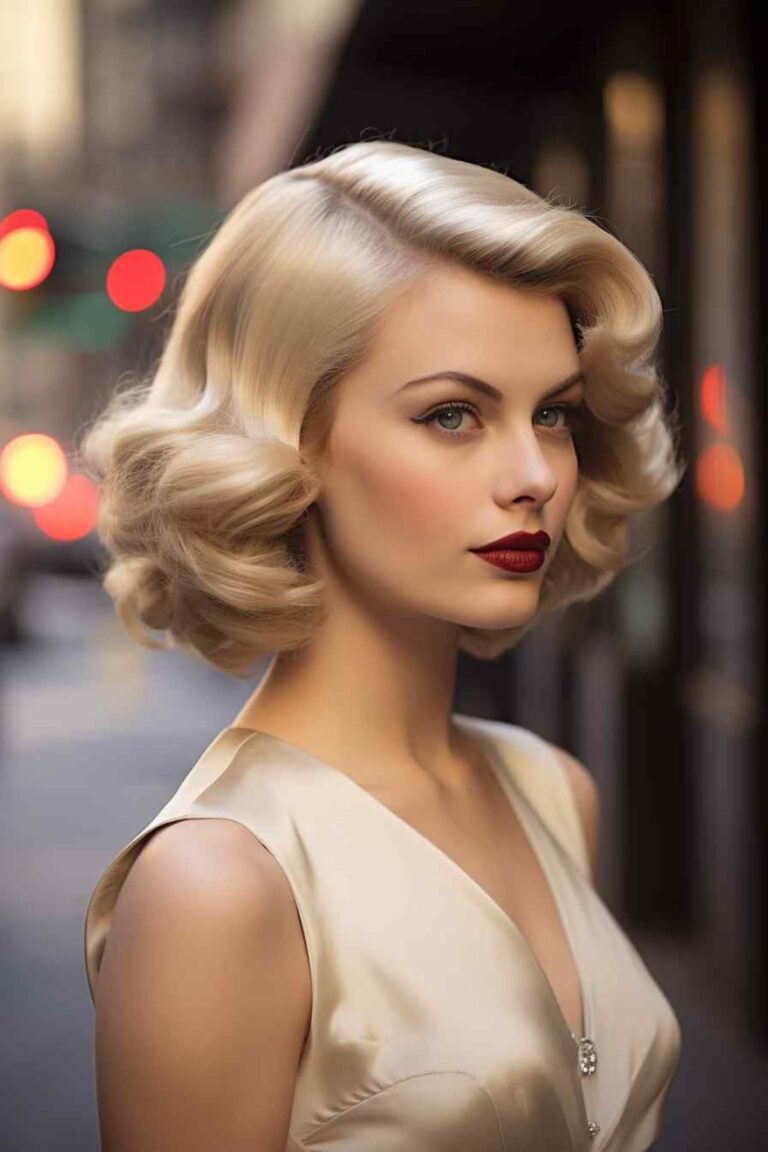
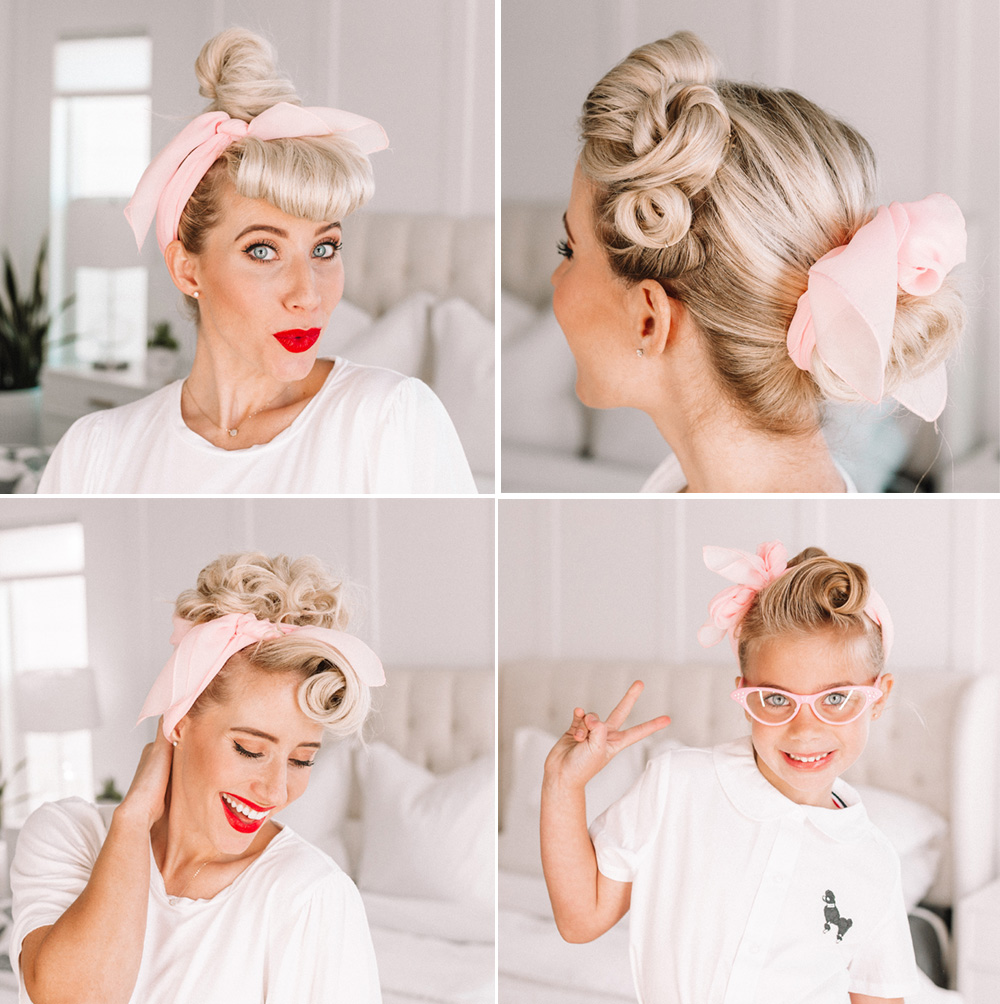
The 1950s, an era synonymous with post-war optimism, burgeoning consumerism, and a distinct sense of glamour, left an indelible mark on fashion and beauty. While the decade is often remembered for its iconic short and sculpted hairstyles – the sleek bob, the playful poodle cut, or the sophisticated pixie – the truth is that long hair, though less frequently worn flowing freely, also found its place within the meticulous and feminine aesthetic of the era. For those blessed with length, the 1950s offered a unique challenge and opportunity: to adapt the era’s signature volume, precise curls, and polished finishes into styles that celebrated, rather than concealed, their luxurious tresses.
Far from being an afterthought, long hair in the 50s was a canvas for elaborate updos, clever illusions, and breathtakingly elegant half-up styles that exuded sophistication. It was a time when every strand had its purpose, every curl its place, and the overall effect was one of impeccable grooming and refined femininity. This article delves into the world of vintage 50s hairstyles for long hair, exploring the techniques, the iconic looks, and the timeless allure that continues to captivate enthusiasts today.
The Essence of 1950s Hair: Volume, Definition, and Polish
Before exploring specific styles, it’s crucial to understand the fundamental principles that governed 1950s hairstyling, regardless of length. The decade championed:
- Volume: Hair was rarely flat. Lift at the crown, fullness at the sides, and bouncy ends were paramount. This was achieved through meticulous setting, backcombing (teasing), and liberal use of setting lotions and hairspray.
- Definition: Curls were not haphazard. They were either perfectly formed barrel curls, tight pin curls, or sculpted waves, each contributing to the overall shape.
- Polish: Flyaways were anathema. Hair was smoothed, brushed, and lacquered into place, creating a neat, pristine, and often glossy finish.
- Femininity: The styles were designed to frame the face, accentuate features, and convey an air of ladylike charm, whether playful or demure.
For long hair, these principles meant that simply letting hair hang loose was not an option for a fashionable look. Instead, long locks were transformed, shaped, and secured to embody the era’s meticulous beauty standards.
Adapting Length: The Art of Illusion and Updo Mastery
The primary challenge for long hair in the 50s was to achieve the sculpted, often seemingly shorter, silhouettes that were so popular. This led to innovative techniques:
-
The Faux Bob (or Tucked-Under Bob): Perhaps the most iconic way to achieve a 50s look with long hair was to create the illusion of a bob. This involved meticulously curling the entire length of the hair, then rolling and pinning the ends under to create a neat, rounded bob shape at the nape of the neck. The front sections would be styled with characteristic bangs or waves, completing the illusion. This style allowed women to enjoy the versatility of long hair while effortlessly sporting the fashionable shorter look of the decade.
-
Elaborate Updos and Chignons: Long hair was perfectly suited for the sophisticated updos that were a hallmark of 50s formal wear. These were far from messy buns; they were architectural masterpieces.
- The Chignon: A classic low bun, often styled at the nape of the neck, was elevated with waves, rolls, or braids incorporated into its structure. It was smooth, elegant, and often adorned with hairnets or subtle accessories.
- Sculpted Updos: These could involve multiple rolls (like victory rolls or barrel rolls) at the crown, sides, or back, with the remaining length artfully coiled and pinned. The aim was a clean, defined silhouette that showcased the neck and shoulders.
-
Half-Up, Half-Down Elegance: This versatile style allowed women to display their length while still incorporating the structured elements of 50s hair.
- Crown Volume with Flowing Curls: The top section of the hair would be backcombed for significant volume, often styled into a soft pompadour or a rolled-back section. The sides might be pulled back smoothly or with gentle waves. The remaining long hair would be meticulously set in large, bouncy barrel curls that cascaded down the back and shoulders. This look was incredibly glamorous and popular for both day and evening.
- Side Swept Glamour: Similar to the above, but with one side pulled back smoothly and the other side styled with deep, Hollywood waves or soft curls flowing over one shoulder.
-
The High, Curled Ponytail: While ponytails might seem casual, the 50s version was anything but. Long hair was gathered high on the crown, often with a teased base for volume, and then the ponytail itself was meticulously curled into bouncy, defined ringlets or barrel curls. A scarf, ribbon, or even a small flower often adorned the base, adding a touch of playful sophistication.
Key Elements and How to Achieve Them with Long Hair
Mastering 50s long hairstyles requires understanding and executing specific techniques:
-
Pin Curls and Roller Sets: These were the absolute foundation of 50s hair. For long hair, large rollers (sponge or hot rollers) were essential for creating the voluminous, soft waves and curls. Pin curls, formed by coiling sections of hair and securing them with bobby pins, were used for tighter curls, fringe shaping, and setting the hair for specific rolls.
- Technique: Hair was typically washed, towel-dried, and then saturated with a setting lotion or mousse. Sections were then meticulously rolled (either away from the face or towards the scalp for pin curls) and left to dry completely (either naturally, under a hooded dryer, or with hot rollers). This set was crucial for the longevity and shape of the style.
-
The Pompadour and Victory Rolls: These iconic elements, often seen on shorter hair, could be adapted for long hair, usually by focusing on the front and crown sections.
- Pompadour: A section of hair from the front of the head was backcombed heavily at the roots, smoothed over, and then rolled back and pinned to create a voluminous, rounded lift at the forehead. The rest of the long hair would then be styled around it.
- Victory Rolls: Named for their resemblance to the V-for-Victory sign, these rolls were created by taking a section of hair, backcombing it, and then rolling it inward or outward to form a cylindrical shape, pinned securely. For long hair, they were often placed symmetrically on either side of a central parting, or as a single, larger roll at the top of the head, with the remaining length flowing or incorporated into an updo.
-
Bangs (Fringe): Bangs were incredibly popular in the 50s and provided a perfect frame for the face, regardless of hair length.
- Betty Bangs: Short, blunt, and often curled slightly under, these were playful and chic.
- Side-Swept Bangs: Longer bangs swept elegantly to the side, often with a soft curl.
- Curtain Bangs (early versions): Though more popular later, some styles featured longer bangs parted in the middle and swept to either side, blending into the rest of the hair.
-
Backcombing (Teasing): This was the secret weapon for achieving the characteristic 50s volume. Small sections of hair were held taut, and a fine-toothed comb was used to push hair towards the scalp, creating a cushioned base. The top layer was then smoothed over for a polished finish. For long hair, this was vital at the crown and at the base of any rolls or updos.
-
Brushing Out and Shaping: After the set was completely dry, the magic happened. Hair was carefully unrolled, and then gently brushed with a soft-bristle brush. This wasn’t just detangling; it was about merging the curls into soft waves, creating a cohesive shape, and adding a luxurious sheen. The hair was then meticulously shaped and pinned into the desired style, with a generous final mist of strong-hold hairspray.
Iconic Inspirations for Long Hair
While many 50s icons sported shorter hair, their essence and the styling techniques they embodied can be translated to long hair:
- Grace Kelly: Her sophisticated elegance often featured hair pulled back into neat chignons or soft, sculpted waves that could easily be adapted for long hair. Her polished perfection is the ultimate goal.
- Elizabeth Taylor: Known for her striking beauty, Taylor often wore her hair in voluminous, glamorous waves that cascaded around her shoulders, a perfect example of how long hair could be styled with 50s flair.
- Sophia Loren: The Italian bombshell frequently sported long, voluminous, and often dramatic hairstyles, showcasing a more sensual and less rigid interpretation of 50s glamour. Her hair was full, bouncy, and undeniably captivating.
- Marilyn Monroe (The Method): While Marilyn’s signature look was a short, bouncy curl, the method of achieving it – a meticulous pin curl set, brushed out for maximum volume and softness – is directly applicable to long hair for creating a similar voluminous, defined wave pattern.
Modern Adaptation and Styling Tips
Bringing 50s long hairstyles into the 21st century means embracing the glamour without necessarily adhering to the rigidity.
- Softer Finish: Modern products allow for strong hold without the stiff, lacquered look. Opt for flexible hold hairsprays and shine serums.
- Less is More: While the 50s were about perfection, a slightly looser, more lived-in version of these styles can be incredibly chic for today. Don’t be afraid if a few strands aren’t perfectly in place.
- Accessories are Key: The 50s loved hair accessories.
- Scarves: Tied around a high ponytail, woven into an updo, or worn as a headband, scarves instantly evoke the era.
- Headbands: Wide, fabric headbands, often with a knot or bow, were popular.
- Hair Flowers: A single large flower (like a rose or hibiscus) tucked behind the ear or into an updo adds a touch of retro charm.
- Snoods: For a truly authentic vintage look, especially for protecting a set, a snood (a netted hair covering) is perfect.
- Pairing with Fashion and Makeup: To truly complete the look, consider classic 50s fashion silhouettes (A-line skirts, nipped waists, full dresses) and makeup (winged eyeliner, defined brows, red lips).
Conclusion
The allure of 1950s hairstyles for long hair lies in their timeless elegance, their meticulous artistry, and their ability to transform a simple length into a statement of refined beauty. While they demand patience and practice, the reward is a look that is both historically resonant and undeniably glamorous. From the clever illusion of the faux bob to the architectural beauty of a sculpted updo, 50s long hair celebrated volume, definition, and a polished femininity that continues to inspire. By understanding the techniques and embracing the spirit of the era, anyone with long tresses can step back in time and embody the enduring sophistication of the fabulous fifties.