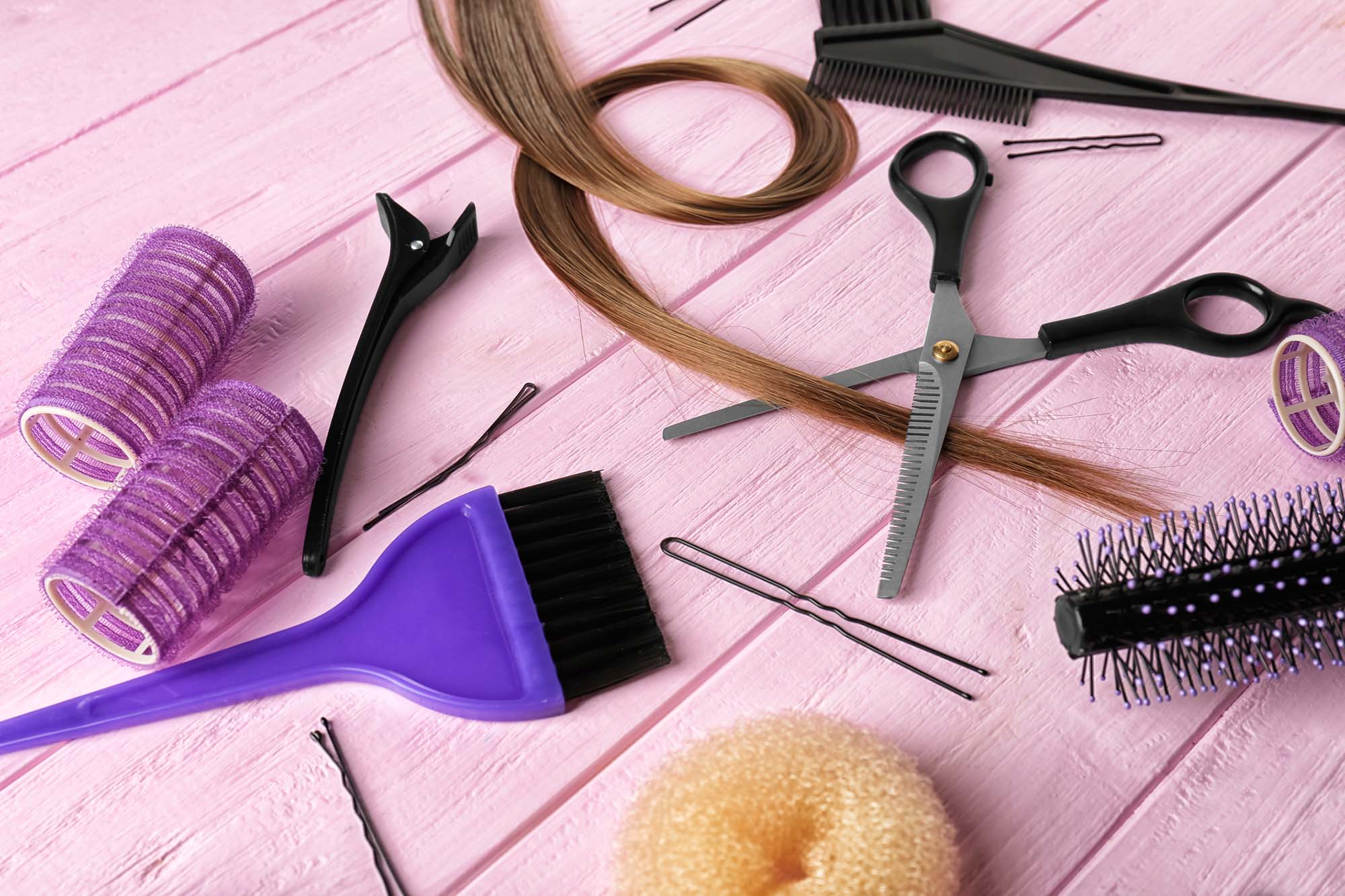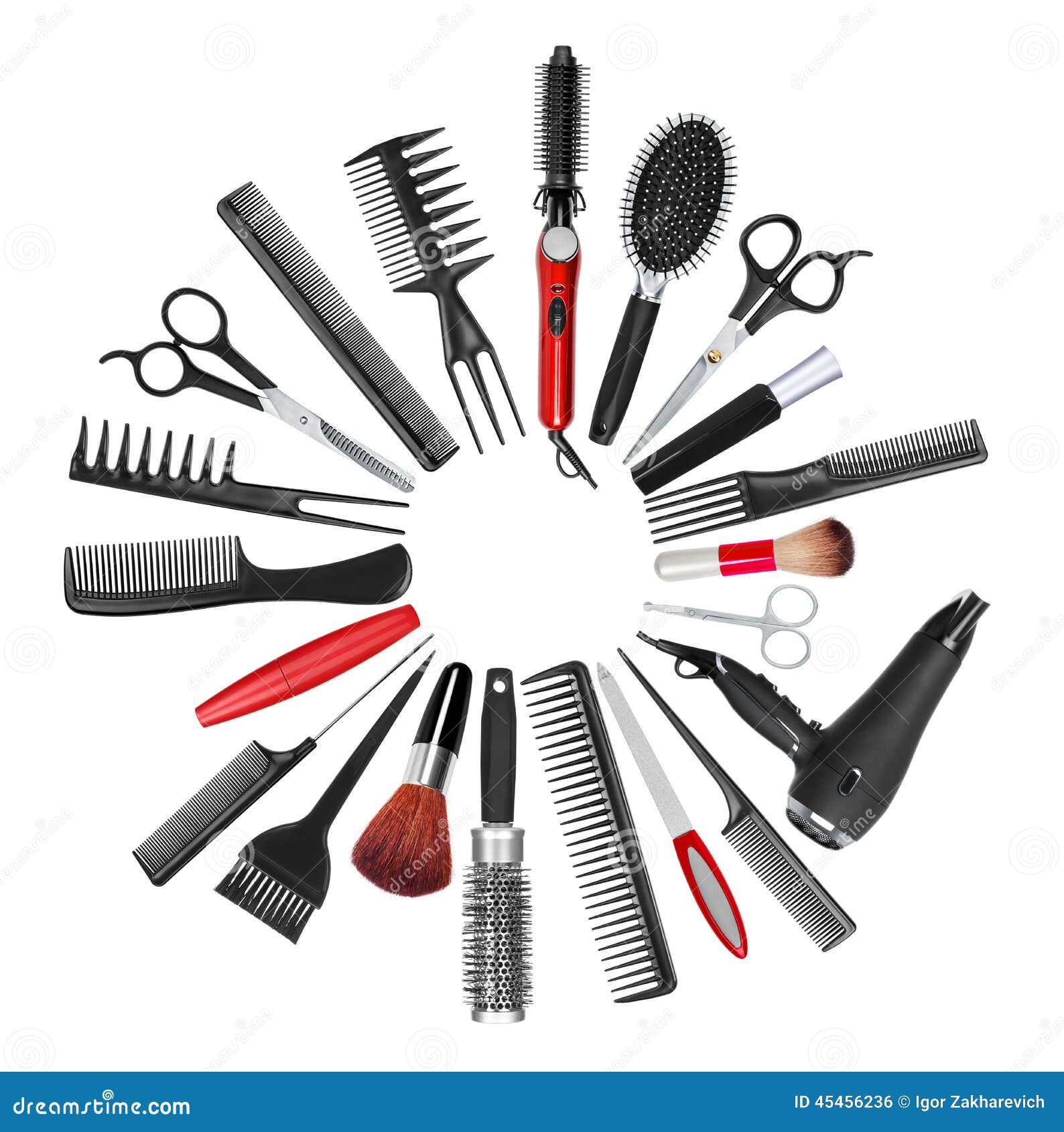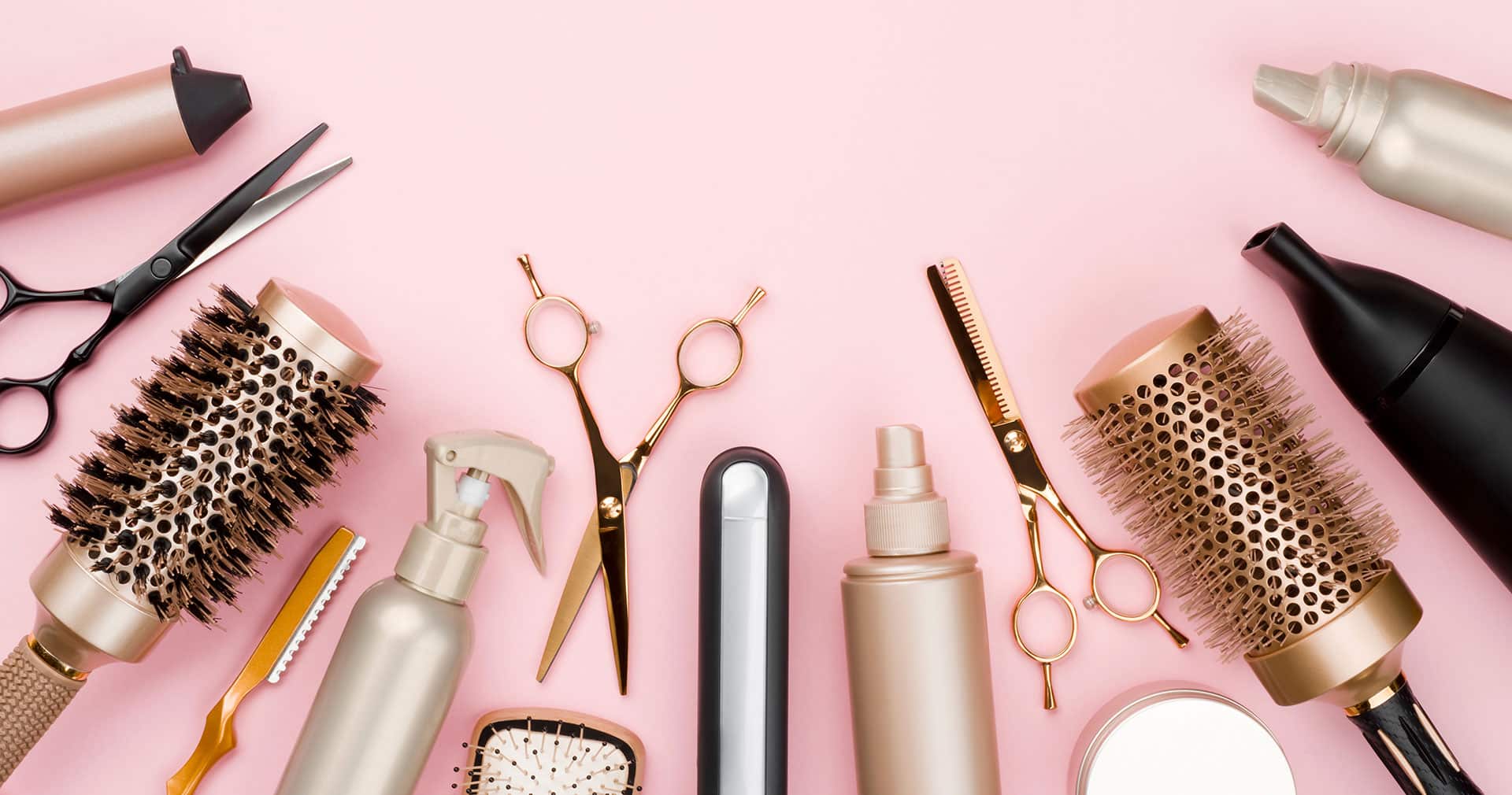
In the dynamic and ever-evolving world of professional hairstyling, the hands of a skilled artist are only as effective as the tools they wield. Far from being mere accessories, a stylist’s supplies and tools are extensions of their creativity, precision, and dedication to their craft. They are the conduits through which vision transforms into reality, enabling the creation of everything from subtle trims to dramatic transformations. Understanding the vast array of instruments available, their specific functions, and the nuances of their application is fundamental to mastering the art of hair design.
This comprehensive guide delves into the essential arsenal of a professional hair stylist, exploring the diverse categories of tools that underpin every successful cut, color, and style.
I. The Foundation: Cutting Tools
The cornerstone of any haircut lies in the precision and sharpness of the cutting tools. These instruments are responsible for shaping, texturizing, and defining the hair’s overall structure.
-
Shears (Scissors): The most iconic tool in a stylist’s kit, shears come in a myriad of designs, each serving a specific purpose.
- Cutting Shears: Ranging from 5 to 7.5 inches, these are used for blunt cutting, point cutting, and general shaping. High-quality shears are often made from Japanese steel, cobalt, or stainless steel, offering superior sharpness and edge retention. Ergonomics are crucial, with offset handles and swivel thumbs designed to reduce strain during long hours of cutting.
- Thinning Shears (Texturizing Shears): Featuring one straight blade and one notched blade, these shears are used to remove bulk, soften lines, and create texture without significantly altering the length. The number of teeth on the notched blade determines the amount of hair removed, with fewer teeth for more aggressive texturizing and more teeth for subtle blending.
- Blenders: Similar to thinning shears but with more teeth, blenders are used for seamless blending and creating very soft, diffused lines, particularly useful in shorter haircuts or for blending layers.
-
Clippers: Essential for shorter haircuts, fades, and precise detailing, clippers are powerful motor-driven tools.
- Corded Clippers: Offer consistent power and are ideal for heavy-duty cutting.
- Cordless Clippers: Provide greater mobility and convenience, often powered by lithium-ion batteries.
- Trimmers (Edgers): Smaller and lighter than full-sized clippers, trimmers are designed for outlining hairlines, detailing around ears, and creating sharp, clean edges.
- Clipper Guards (Attachment Combs): These plastic or magnetic attachments snap onto the clipper blade, controlling the length of the cut. They are indispensable for achieving consistent lengths and creating graduated fades.
-
Razors: Offering a softer, more diffused cut than shears, razors are used to create feathered layers, wispy bangs, and to reduce bulk with a more natural finish.
- Straight Razors: Require skill and caution, often used for advanced texturizing techniques.
- Feather Razors: Feature a guard over the blade for increased safety and are popular for softening ends and creating movement. Most professional razors use disposable blades for hygiene and consistent sharpness.
II. The Art of Styling: Heat Tools
Heat tools are indispensable for transforming hair texture, adding volume, creating curls, or achieving sleek, straight looks. Their effectiveness relies on precise temperature control and appropriate material composition.
-
Blow Dryers (Hair Dryers): More than just for drying, blow dryers are crucial for shaping and setting hair.
- Wattage: Higher wattage (1875W+) indicates a more powerful motor and faster drying time.
- Heat and Speed Settings: Multiple options allow stylists to customize airflow and temperature for different hair types and desired styles.
- Ionic Technology: Emits negative ions to break down water molecules faster, reducing drying time, frizz, and static.
- Tourmaline/Ceramic Technology: Distributes heat evenly, protecting hair from damage and enhancing shine.
- Attachments: Nozzles (concentrators) direct airflow for precision styling, while diffusers are used for enhancing natural curls and waves.
-
Flat Irons (Straighteners): Designed to create sleek, straight styles, or even soft waves and curls.
- Plate Material:
- Ceramic: Heats evenly, reducing hot spots and protecting hair. Ideal for fine to medium hair.
- Tourmaline: A gemstone that, when crushed and infused into ceramic, produces more negative ions, leading to shinier, less frizzy results.
- Titanium: Heats up quickly and maintains high, consistent heat. Best for thick, coarse, or resistant hair due to its superior heat transfer.
- Plate Width: Ranging from 1/2 inch for short hair and bangs to 2 inches for long, thick hair.
- Temperature Control: Digital displays and adjustable settings are crucial for preventing heat damage.
- Plate Material:
-
Curling Irons and Wands: Used to create a variety of curls, waves, and texture.
- Barrel Size: Varies from 1/2 inch for tight curls to 2 inches for loose waves and volume.
- Material: Similar to flat irons (ceramic, tourmaline, titanium) for even heat distribution and hair protection.
- Clamp vs. Wand: Irons have a clamp to hold the hair, while wands require the stylist to manually wrap the hair around the barrel, often creating more natural-looking curls.
- Conical Wands: Tapered barrels create curls that are tighter at the ends and looser at the roots, mimicking natural curl patterns.
III. The Foundation of Form: Brushes and Combs
These seemingly simple tools are fundamental to detangling, sectioning, distributing product, and shaping hair during styling.
-
Combs:
- Wide-Tooth Comb: Ideal for detangling wet hair without causing breakage.
- Fine-Tooth Comb: Used for precise sectioning, backcombing, and creating smooth, sleek finishes.
- Tail Comb (Rattail Comb): Features a long, thin handle for precise parting, sectioning, and weaving for highlights.
- Cutting Comb: Designed with both wide and fine teeth, used during cutting to hold and guide hair. Often made of carbon for durability and heat resistance.
- Detangling Comb/Brush: Specifically designed to glide through knots with minimal pulling.
-
Brushes:
- Round Brushes: Come in various diameters and bristle types (boar, nylon, ceramic, ionic). Used with a blow dryer to add volume, create waves, or straighten hair. Larger barrels create more volume and softer waves; smaller barrels create tighter curls.
- Paddle Brushes: Large, flat brushes ideal for detangling, smoothing, and blow-drying long hair straight.
- Vent Brushes: Have widely spaced bristles and vents for air circulation, speeding up blow-drying time.
- Teasing Brushes (Backcombing Brushes): Narrow brushes with dense bristles, used to create volume and texture at the roots.
- Denman Brushes: Known for their unique half-round shape and widely spaced pins, excellent for defining curls and smoothing hair.
IV. Precision and Preparation: Sectioning and Application Tools
Before any major service, hair needs to be meticulously prepared and organized.
- Sectioning Clips: Essential for holding sections of hair neatly out of the way during cutting, coloring, or styling. Types include duckbill clips, butterfly clips, and metal sectioning clips.
- Spray Bottles: Used for misting hair with water to dampen it for cutting, or for applying styling products evenly.
- Neck Strips and Capes:
- Neck Strips: Disposable paper strips placed around the client’s neck to prevent hair and product from getting under the cape and onto their skin.
- Cutting Capes: Protect the client’s clothing from hair clippings.
- Chemical Capes: Made of waterproof material, these protect the client and their clothing during coloring, perming, or other chemical services.
V. The Alchemy of Color and Texture: Chemical Service Tools
For transformative chemical services like coloring, perming, or straightening, specialized tools are required for precise application and processing.
- Color Mixing Bowls and Applicator Brushes: Used for mixing hair color, bleach, or chemical solutions. Brushes come in various widths and bristle types for precise application to roots, mid-lengths, or ends.
- Foils and Balayage Boards:
- Foils: Aluminum sheets used for highlighting, lowlighting, or isolating sections of hair during coloring. Available in various lengths and textures (pre-cut, embossed, or on a roll).
- Balayage Boards: Provide a stable surface for freehand painting techniques like balayage, ensuring even saturation and clean lines.
- Perm Rods and End Papers:
- Perm Rods: Plastic rods of various sizes and shapes (concave, straight, spiral) used to wrap hair for perming, creating different curl patterns.
- End Papers: Thin, porous papers used to protect the ends of the hair and ensure even saturation and smooth wrapping around perm rods.
- Gloves: Essential for protecting the stylist’s hands from chemicals, dyes, and other solutions. Nitrile or latex gloves are commonly used.
VI. The Unsung Heroes: Sanitation and Maintenance Tools
A professional salon prioritizes hygiene and the longevity of its tools. These items ensure a clean, safe, and efficient working environment.
- Disinfectants: EPA-registered disinfectants (like Barbicide) are crucial for sanitizing non-porous tools (combs, brushes, shears, clipper blades) between clients to prevent the spread of bacteria and fungi.
- UV Sterilizers: Used to further sanitize non-porous tools, though they do not replace liquid disinfectants.
- Clipper/Shear Oil and Cleaning Brushes: Regular oiling of clipper blades and shear pivots ensures smooth operation and extends their lifespan. Small brushes are used to remove hair from blades and teeth.
- Trolleys and Carts: Mobile storage units with multiple shelves and drawers, keeping tools organized, accessible, and clean during services.
VII. Beyond the Handheld: Salon Furniture and Equipment
While not handheld tools, these larger pieces of equipment are integral to the functionality and comfort of a professional salon.
- Styling Chairs: Ergonomically designed, often hydraulic, allowing for height adjustment and swiveling for optimal client positioning.
- Shampoo Bowls/Stations: Designed for comfortable hair washing, often featuring reclining chairs and adjustable neck rests.
- Mirrors: Essential for clients to view their hair during and after the service, and for stylists to assess their work from all angles.
The Synergy of Skill and Supplies
The extensive list of tools available to a hair stylist underscores the complexity and artistry of the profession. Each item, from the sharpest shear to the softest brush, plays a critical role in the overall outcome. However, owning the best tools is only half the equation. The true mastery lies in the stylist’s ability to understand each tool’s unique capabilities, to choose the right instrument for the task at hand, and to wield it with precision, creativity, and an intuitive understanding of hair.
Regular maintenance, proper sanitation, and continuous education on new technologies and techniques are paramount. In the hands of a skilled professional, these supplies and tools transcend their material form, becoming instruments of transformation that not only shape hair but also boost confidence and express individual style. They are, in essence, the very foundation upon which the magic of hairstyling is built.