
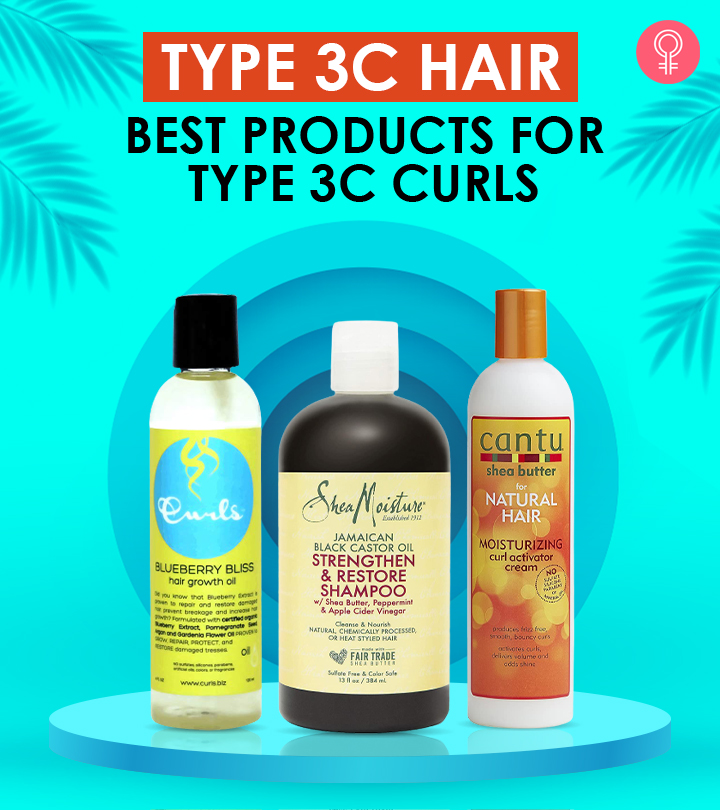
Type 3 hair, with its glorious S-shaped curls, ranging from loose, bouncy waves (3A) to tightly packed corkscrews (3C), is a testament to natural beauty and unique genetic artistry. While undeniably stunning, this curl pattern often comes with its own set of challenges: an inherent tendency towards dryness, the ever-present battle against frizz, and the elusive quest for definition without crunch. For centuries, across diverse cultures, one natural elixir has stood the test of time as a cornerstone of hair care: oil. For Type 3 hair, oils are not just an optional luxury; they are a fundamental necessity, a liquid gold that can transform parched, frizzy curls into a cascade of vibrant, healthy, and defined spirals.
This comprehensive guide delves deep into the world of hair oils for Type 3 hair, exploring why they are indispensable, which oils reign supreme, and how to harness their power for optimal curl health and beauty.
Understanding Type 3 Hair: The Canvas for Oil Application
Before we dive into the oils themselves, it’s crucial to understand the unique structure and needs of Type 3 hair. Unlike straight hair, which allows natural scalp oils (sebum) to easily travel down the hair shaft, the bends and twists of Type 3 curls create obstacles. This means sebum struggles to reach the mid-lengths and ends, leaving them prone to dryness.
Furthermore, the cuticle layer – the outermost protective layer of the hair – tends to be more raised in curly hair. While this contributes to volume, it also makes the hair more susceptible to moisture loss and allows humidity to penetrate, leading to frizz. The delicate nature of the curl pattern also makes Type 3 hair prone to tangles and breakage if not handled with care.
Subtypes of Type 3 Hair:
- 3A: Large, loose curls, often the size of a sidewalk chalk. They tend to be well-defined but can still experience frizz and dryness.
- 3B: Bouncier, tighter curls, often the size of a Sharpie marker. These curls have more volume but are more prone to shrinkage and dryness.
- 3C: Tightly packed, corkscrew curls, often the size of a pencil or straw. This subtype experiences the most shrinkage, dryness, and is highly susceptible to frizz.
Regardless of the specific subtype, the common thread is the need for consistent moisture, frizz control, and protection – roles that hair oils are uniquely equipped to fulfill.
Why Hair Oils Are Indispensable for Type 3 Curls
Hair oils serve multiple critical functions for Type 3 hair, addressing its inherent vulnerabilities and enhancing its natural beauty:
- Moisture Retention & Sealing: Oils act as emollients, smoothing the hair cuticle, and occlusives, forming a protective barrier that seals moisture into the hair shaft. This is paramount for preventing the rapid evaporation of water, which is the primary cause of dryness and frizz in curly hair.
- Frizz Control: By smoothing the cuticle and providing a protective barrier, oils prevent excessive humidity from entering the hair shaft, thereby minimizing frizz and enhancing curl definition.
- Enhanced Shine & Luster: A well-hydrated, smooth cuticle reflects light more effectively, giving curls a healthy, vibrant sheen.
- Improved Elasticity & Reduced Breakage: Regular oiling can improve the hair’s elasticity, making it more pliable and less prone to snapping during detangling or styling.
- Scalp Health & Hair Growth: Many oils possess anti-inflammatory, antimicrobial, and nourishing properties that can promote a healthy scalp environment, which is crucial for optimal hair growth.
- Heat Protection: A light layer of certain oils can offer a degree of protection against heat styling tools, though it’s important to note they are not a substitute for dedicated heat protectants.
- Detangling Aid: Applied before washing or as a pre-poo, oils can significantly reduce friction, making detangling easier and minimizing breakage.
Choosing Your Liquid Gold: The Best Oils for Type 3 Hair
Not all oils are created equal, and understanding their unique properties is key to selecting the right ones for your curls. We can broadly categorize them into penetrating oils and sealing oils.
Penetrating Oils: Deep Nourishment from Within
These oils have a molecular structure small enough to penetrate the hair shaft, providing deep nourishment and strengthening from the inside out.
-
Coconut Oil: The undisputed king of penetrating oils. Rich in lauric acid, it has a high affinity for hair proteins and can reduce protein loss in both damaged and undamaged hair.
- Benefits for Type 3: Excellent for pre-poo treatments, hot oil treatments, and reducing hygral fatigue (damage from swelling and contracting with water). Provides deep conditioning and strength.
- Caution: Can be heavy for some, and some individuals find it causes protein overload if used too frequently without balancing moisture.
-
Olive Oil: A versatile kitchen staple that doubles as a hair hero. Rich in fatty acids and antioxidants.
- Benefits for Type 3: Deeply moisturizing, adds shine, helps with elasticity, and can soothe an irritated scalp. Great for pre-poo, hot oil treatments, and DIY masks.
-
Avocado Oil: Packed with vitamins A, D, E, and B, as well as monounsaturated fats. It’s a heavier oil but penetrates well.
- Benefits for Type 3: Intensely moisturizing, excellent for very dry or damaged curls. Promotes shine, strengthens hair, and can help with scalp health.
Sealing Oils: Locking in Moisture and Shine
These oils have larger molecules that sit on the hair’s surface, forming a protective barrier that seals in moisture and adds shine without necessarily penetrating deeply. They are crucial for the "O" step in the LOC/LCO method.
-
Jojoba Oil: Technically a liquid wax, its molecular structure is remarkably similar to the natural sebum produced by our scalp.
- Benefits for Type 3: Non-greasy, lightweight, and won’t clog pores. Excellent for balancing scalp oil production, moisturizing, and adding shine without weighing down curls. Ideal for daily use or refreshing.
-
Argan Oil: Often called "liquid gold," this Moroccan oil is rich in antioxidants, vitamin E, and essential fatty acids.
- Benefits for Type 3: Lightweight, adds incredible shine, reduces frizz, and provides a soft, supple feel to curls. Excellent for finishing styles and daily moisture.
-
Grapeseed Oil: A very lightweight, non-greasy oil, rich in linoleic acid and antioxidants.
- Benefits for Type 3: Ideal for finer Type 3 hair that can be easily weighed down. Excellent for sealing, adding shine, and reducing frizz without greasiness. Also good for scalp massages.
-
Castor Oil: A thick, viscous oil known for its ricinoleic acid content.
- Benefits for Type 3: While too heavy for all-over use for many, it’s excellent for scalp massages to promote growth and for sealing ends to prevent split ends. Can be mixed with lighter oils.
Essential Oils (Used with Carrier Oils): Targeted Benefits
Essential oils are highly concentrated plant extracts and should never be applied directly to the hair or scalp without being diluted in a carrier oil. They offer targeted benefits:
- Rosemary Oil: Stimulates circulation, promoting hair growth.
- Peppermint Oil: Invigorates the scalp, also aiding growth.
- Tea Tree Oil: Antifungal and antibacterial, great for flaky or itchy scalps.
- Lavender Oil: Soothes the scalp and promotes relaxation.
How to Apply Your Liquid Gold: Techniques for Optimal Results
The way you apply hair oils can significantly impact their effectiveness. Here are key techniques for Type 3 hair:
-
Pre-Poo Treatment (Pre-Shampoo):
- Purpose: Protects hair from the stripping effects of shampoo, adds deep moisture, and aids in detangling.
- Method: Before shampooing, generously apply a penetrating oil (like coconut or olive oil) to dry or slightly damp hair, focusing on the mid-lengths and ends. Gently detangle with your fingers or a wide-tooth comb. Leave on for at least 30 minutes, or even overnight for an intensive treatment. Rinse lightly before shampooing.
-
Hot Oil Treatment:
- Purpose: Deep conditioning, improves elasticity, adds shine, and soothes the scalp.
- Method: Warm your chosen oil (or a blend) by placing the bottle in a bowl of hot water (never microwave directly). Apply to clean, damp hair and scalp. Cover with a shower cap and apply gentle heat (e.g., a warm towel or hooded dryer) for 20-30 minutes. Rinse thoroughly and proceed with conditioning.
-
LOC/LCO Method (Liquid, Oil, Cream / Liquid, Cream, Oil):
- Purpose: A layering technique to maximize moisture retention, especially for very dry or high-porosity hair.
- Method:
- L (Liquid): Apply water or a leave-in conditioner to damp hair.
- O (Oil): Apply a sealing oil (like argan, jojoba, or grapeseed) to seal in the liquid.
- C (Cream): Apply a styling cream or butter to further lock in moisture and provide hold.
- Choose LOC or LCO based on what works best for your hair’s porosity and how it absorbs products.
-
Scalp Massage:
- Purpose: Stimulates blood circulation, promotes hair growth, and addresses scalp dryness or flakiness.
- Method: Apply a few drops of a lightweight oil (like jojoba, grapeseed, or a blend with essential oils) directly to your scalp. Gently massage with your fingertips in circular motions for 5-10 minutes. This can be done before washing or as an overnight treatment.
-
Scrunching Out the Crunch (SOTC):
- Purpose: Breaks the cast formed by styling gels or mousses, leaving soft, defined curls.
- Method: Once your hair is 100% dry after applying styling products, put a few drops of a lightweight sealing oil (like argan or jojoba) on your palms. Gently scrunch your curls upwards, breaking the gel cast. This adds shine and softness without disturbing the curl pattern.
-
Daily Refreshing:
- Purpose: Revives flattened or frizzy curls between wash days.
- Method: Mix a few drops of a lightweight oil with water in a spray bottle. Lightly mist your curls and gently scrunch or finger coil to redefine.
DIY Hair Oil Blends for Tailored Benefits
Creating your own oil blends allows you to customize them to your specific needs. Start with a carrier oil base and add smaller amounts of other oils or essential oils.
- For Frizz Control & Shine: 2 parts Argan Oil + 1 part Jojoba Oil + a few drops of Lavender Essential Oil.
- For Deep Moisture & Strength: 2 parts Olive Oil + 1 part Avocado Oil + 1 part Coconut Oil (melted).
- For Scalp Health & Growth: 3 parts Grapeseed Oil + 1 part Castor Oil + 5 drops Rosemary Essential Oil + 3 drops Peppermint Essential Oil (per 2 oz blend).
Always do a patch test before applying new oils or blends to your entire scalp or hair.
Common Mistakes to Avoid
Even with the best intentions, misusing hair oils can lead to less-than-ideal results:
- Using Too Much Oil: The biggest culprit for greasy, weighed-down curls. Start with a small amount (a few drops) and add more if needed. Less is often more.
- Applying to Bone-Dry Hair (for moisture): Oils are primarily sealants. If applied to dry hair, they seal out moisture. Always apply oils to damp or wet hair for moisture retention.
- Ignoring Porosity: High porosity hair (cuticle open) benefits from heavier, penetrating oils and the LOC method. Low porosity hair (cuticle tight) prefers lighter, sealing oils and the LCO method.
- Using Non-Hair-Friendly Oils: Avoid mineral oil and petroleum jelly, which are petroleum-derived and can cause product build-up, suffocating the hair and scalp. Stick to natural, plant-based oils.
- Not Washing Out Properly: Heavy oil treatments need to be thoroughly rinsed and often require a clarifying shampoo periodically to prevent build-up.
- Expecting Miracles Overnight: Consistency is key. Regular use of oils over time will yield the best results.
Beyond the Bottle: A Holistic Approach
While hair oils are potent allies, they are part of a larger ecosystem of healthy hair practices for Type 3 curls:
- Hydration: Drink plenty of water. Hair health starts from within.
- Diet: A balanced diet rich in vitamins, minerals, and proteins supports healthy hair growth.
- Gentle Handling: Avoid harsh brushing, excessive heat, and tight styles that pull on the scalp. Use satin pillowcases or bonnets to reduce friction.
- Protective Styling: Braids, twists, and buns can protect ends from environmental damage and friction.
- Regular Trims: Get rid of split ends to prevent further damage up the hair shaft.
Conclusion
For Type 3 hair, oils are more than just a product; they are an essential component of a thriving curl regimen. By understanding the unique needs of your S-shaped spirals and thoughtfully selecting and applying the right oils, you can unlock a world of enhanced moisture, definition, shine, and overall hair health. Embrace the journey of experimentation, listen to what your curls tell you, and watch as your liquid gold transforms your Type 3 hair into the luscious, vibrant masterpiece it was always meant to be.



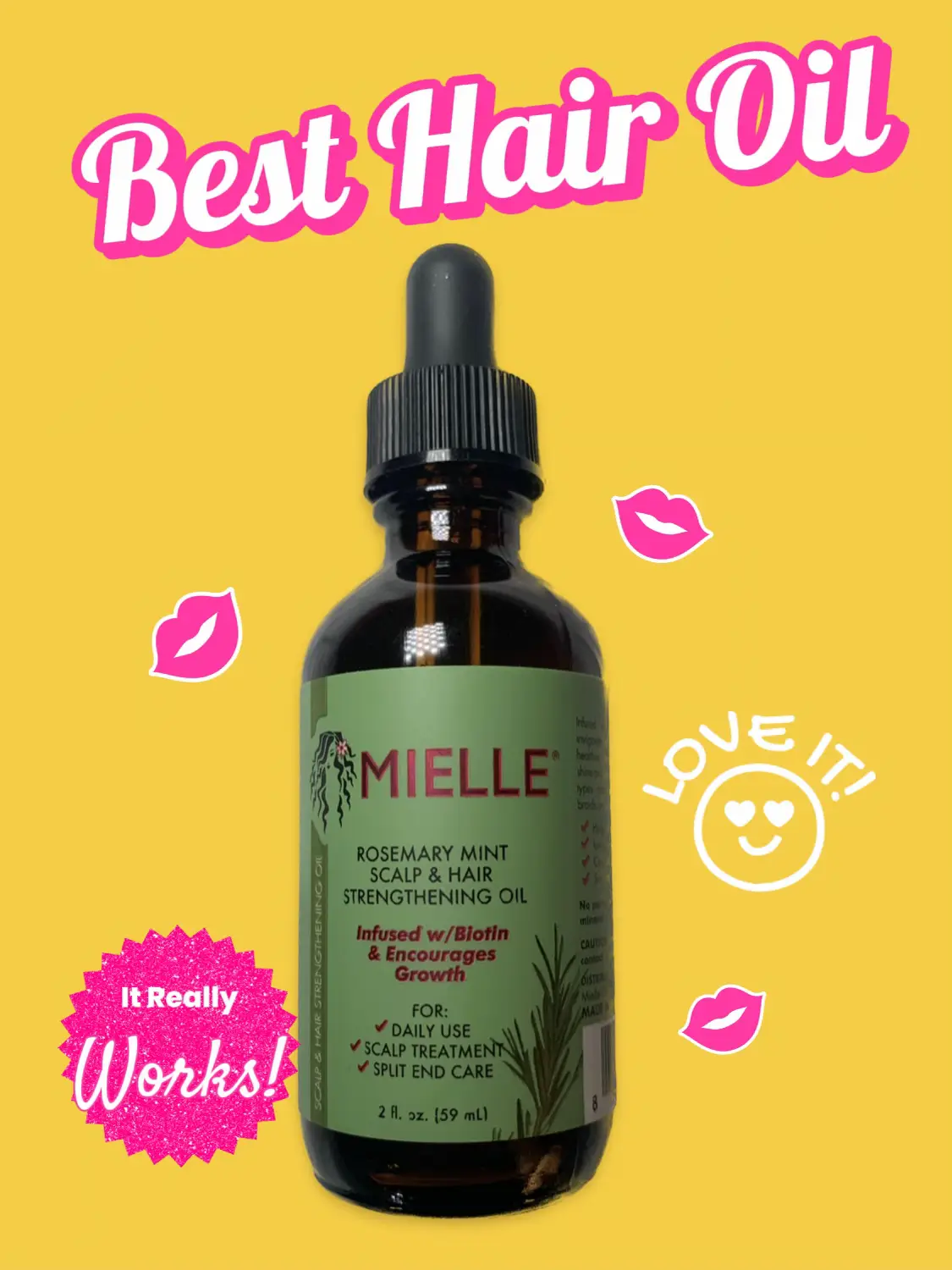
:max_bytes(150000):strip_icc()/hair-oils-tout-eb39409070b34defb8cae5ecd1e9d8fb.jpg "The Liquid Gold for Luscious Curls: A Comprehensive Guide to Hair Oils for Type 3 Hair")
