There comes a point in many people’s lives when the scissors lose their allure, and the whisper of longer locks begins to call. Perhaps it’s the desire for a dramatic change, a longing for the freedom of a flowing mane, or simply the curiosity of seeing what your natural hair can truly achieve. Whatever the impetus, the decision to grow out your hair is an exciting one – a commitment to a transformation that extends far beyond a simple cut. However, this journey, often romanticized in our minds, is rarely a straight path. It’s a marathon, not a sprint, punctuated by awkward phases, styling dilemmas, and the ultimate test of patience.
This article delves into the realities of growing out your hair, offering insights into the challenges, the strategic hairstyles that become your allies, and the mindset required to emerge victorious with the length you desire.
The Genesis of Growth: Why Embark on This Journey?
The reasons for deciding to grow out one’s hair are as varied as the individuals themselves. For some, it’s a reaction to years of short, high-maintenance styles, a craving for less frequent salon visits, or the simple joy of being able to tie their hair back. Others might be inspired by a particular aesthetic – the bohemian waves, the classic long bob, or the dramatic cascade of curls. The pandemic, too, saw a surge in grow-out journeys, as salons closed and the natural progression of hair became an unexpected experiment.
The initial excitement is palpable. You envision your future self, hair effortlessly styled, embodying a new sense of self. But soon, the reality sets in: hair grows at an average rate of half an inch per month. This means that a significant transformation can take months, or even years, depending on your starting point and desired length. And it’s during this interim period that the true test of commitment begins.
The Unavoidable Gauntlet: Navigating the Awkward Phases
The most challenging aspect of growing out hair lies in surviving the "awkward phases." These are the in-between lengths where your hair isn’t quite short enough to be a deliberate style, nor long enough to be easily managed or styled into the vision you hold. Each starting length presents its own unique set of challenges:
1. The Pixie-to-Bob Transition: The "Puffy Halo" and "Mushroom" Stage
If you’re growing out a very short pixie cut, the initial phase can feel like an eternity. The sides and back often grow faster than the top, leading to a distinct "mullet-in-training" look for some, or a "puffy halo" effect where the hair around the ears and nape begins to fluff out. The top, still too short to fall gracefully, might stand up or create a "mushroom" silhouette.
- The Challenge: Lack of weight to pull hair down, uneven growth, feeling unkempt, temptation to chop it all off.
- Strategic Hairstyles:
- Headbands and Scarves: Your absolute best friends. Wide headbands can flatten the top and keep shorter pieces out of your face. Scarves can be tied in various ways to conceal uneven lengths and add a chic touch.
- Bobby Pins and Clips: Master the art of pinning back the sides or tucking errant strands behind your ears. Decorative clips can elevate a simple pin-back.
- Texturizing Sprays and Dry Shampoo: These products add grit and volume, making shorter hair appear more intentional and less fluffy. They can also help create a messy, undone look that masks unevenness.
- Slicked-Back Looks: Gels or strong hold creams can be used to slick back the top and sides, creating a sleek, sophisticated style that bypasses the awkward puffiness.
- Regular "Dusting" Trims: While counterintuitive, strategic micro-trims (often called "dusting" or "shaping trims") can be invaluable. A skilled stylist can remove just the split ends and subtly shape the back and sides to prevent the mullet effect, allowing the top to catch up. This isn’t about cutting off length, but about refining the shape.
2. The Bob-to-Shoulder Transition: The "Flippy" Stage
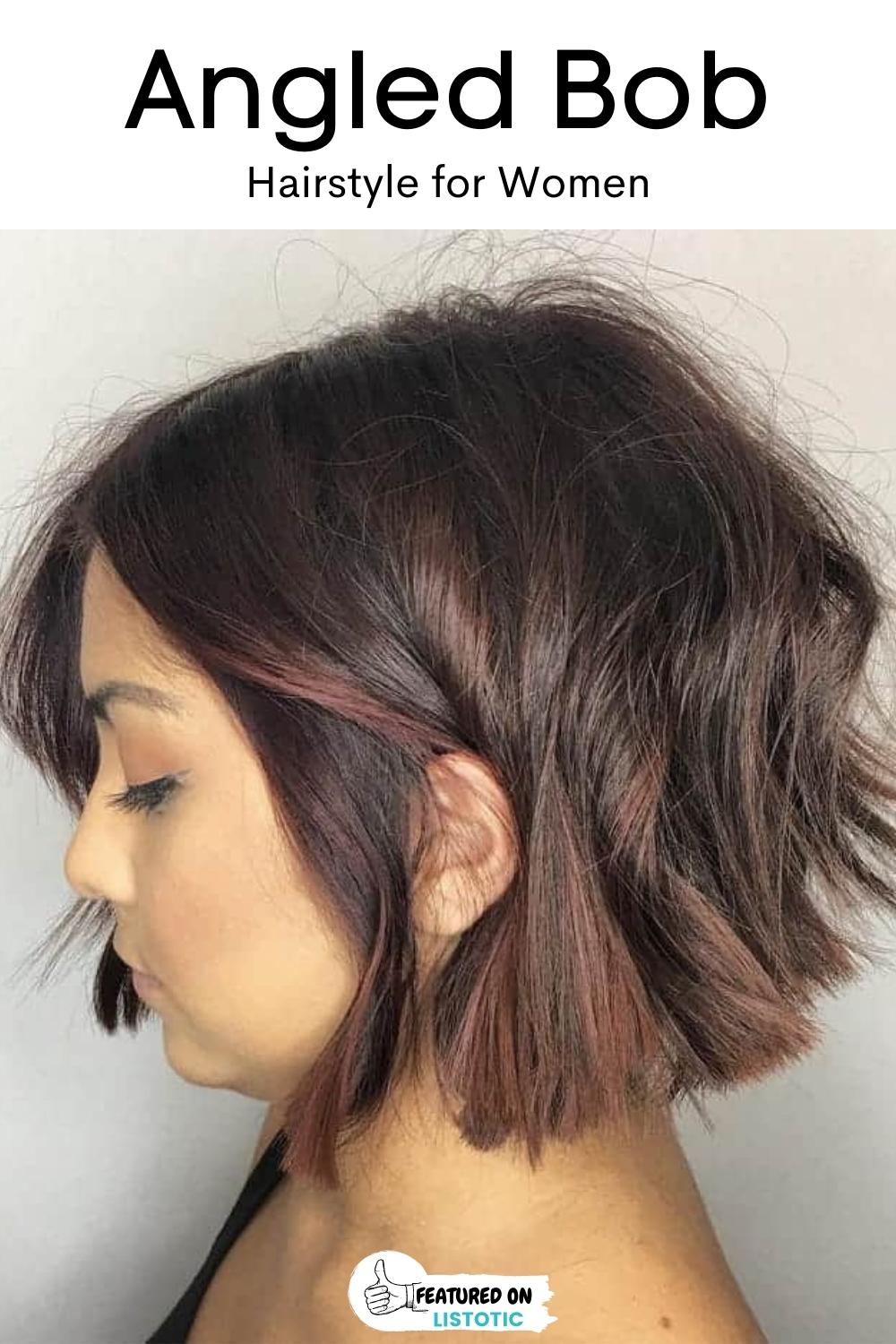
For those growing out a classic bob, the next hurdle appears when the hair hits the shoulders. This is the notorious "flippy" stage, where the ends stubbornly refuse to lie flat and instead kick out at an awkward angle. The weight isn’t quite enough to pull them down, and the natural curve of the shoulder pushes them outwards.
- The Challenge: Unruly ends, feeling perpetually disheveled, limited styling options for a sleek look.
- Strategic Hairstyles:
- Embrace the Wave/Curl: This is an excellent time to lean into natural texture or create soft waves with a curling iron or flat iron. The added bend distracts from the flip and creates a more cohesive look.
- Half-Up Styles: Pulling the top section back into a small ponytail, bun, or braided half-up style keeps hair out of your face and adds a touch of polish, leaving the flippy ends to blend into the rest.
- Low Ponytails and Buns: As soon as you have enough length, gather your hair into a low, loose ponytail or a messy bun at the nape of your neck. This is a simple, elegant solution that keeps the ends contained.
- Braids: French braids or Dutch braids that start higher up can incorporate the awkward lengths, creating a polished and secure style. Even small accent braids can make a difference.
- Product Power: Use smoothing serums or light oils on the ends to encourage them to lie flatter. Heat protectant sprays are essential if you’re using heat to curl or straighten.
3. The Layered Grow-Out: The "Shag" and "Uneven" Stage
If your previous style involved significant layering, growing it out can result in a "shag" effect, where different layers are at wildly different lengths, making the hair feel disconnected and hard to manage. The shortest layers might struggle to reach the main body of hair, creating wispy, unkempt sections.
- The Challenge: Disconnected lengths, difficulty achieving a uniform look, feeling like your hair has no shape.
- Strategic Hairstyles:
- Textured Styles: This is where embracing your natural texture, or adding waves and curls, truly shines. The movement and volume can help to blend disparate layers.
- Braids (Again!): Braids are excellent for gathering and securing layers. A messy side braid or a fishtail braid can artfully incorporate shorter pieces.
- Updos and Buns: As hair gains more length, updos become your friend. Messy buns, top knots, and even more intricate pinned-up styles can hide the unevenness of layers.
- Strategic Layering Trims: Paradoxically, sometimes adding new, longer layers can help. A stylist can strategically blend the shorter layers into the longer ones, creating a more cohesive shape as it grows, rather than a harsh, disconnected line. This is about softening the grow-out, not cutting off overall length.
- Accessorize: Hair scarves, clips, and decorative pins can be used to secure shorter layers that refuse to behave.
Strategic Survival: General Tips for the Transition
Beyond specific styles for each phase, a few universal strategies will help you maintain your sanity and your hair’s health throughout the grow-out journey:
- Patience is Paramount: This cannot be stressed enough. Hair growth is a slow, biological process. There are no magic pills, only consistent care and the passage of time.
- Invest in Quality Products:
- Good Shampoo and Conditioner: Choose products that suit your hair type and concerns (e.g., moisturizing, volumizing, color-safe).
- Leave-in Conditioner/Serum: Essential for detangling, adding shine, and protecting ends from damage.
- Heat Protectant: If you use heat styling tools, this is non-negotiable.
- Styling Products: Mousse for volume, gel for hold, texturizing spray for grit, dry shampoo for freshness and volume.
- Minimize Heat Damage: Excessive heat can lead to breakage, which undoes all your hard work. Air-dry when possible, use heat protectant religiously, and opt for lower heat settings.
- Protect Your Hair at Night: Sleep on a silk or satin pillowcase to reduce friction, or loosely braid your hair to prevent tangles and breakage.
- Regular, Strategic Trims: This is perhaps the most debated point. While it seems counterintuitive to cut hair when you’re trying to grow it, regular "dusting" trims (removing only split ends) are crucial for maintaining hair health. Split ends, if left unchecked, will travel up the hair shaft, leading to more breakage and ultimately requiring a more significant cut. A good stylist will understand your goal and trim only what’s necessary to keep your hair healthy and shapely.
- Embrace Accessories: Headbands, scarves, clips, hats – these are not just fashion statements; they are practical tools for managing awkward lengths and adding flair when your hair feels uninspired.
- Learn Basic Braiding Techniques: French braids, Dutch braids, fishtail braids, and even simple three-strand braids can transform unruly hair into a polished style. YouTube tutorials are your best friend here.
- Focus on Hair Health: Healthy hair grows better. Ensure a balanced diet rich in vitamins and minerals (especially B vitamins, iron, zinc, and Vitamin D). Stay hydrated. Consider supplements like biotin or collagen, but always consult a doctor before starting new supplements.
- Don’t Compare: Everyone’s hair grows differently and at different rates. Avoid comparing your progress to others, as this can lead to frustration. Focus on your own journey.
- Find a Stylist Who Understands Your Goal: This is critical. Communicate clearly that you are growing your hair out and need trims that support this goal, rather than cutting off significant length. A good stylist will offer advice on managing the awkward phases and suggest strategic shaping.
The Mindset of Patience and Resilience
Growing out your hair is as much a mental game as it is a physical one. There will be days when you feel utterly frustrated, when your hair refuses to cooperate, and when you’re tempted to reach for the scissors and return to your old, familiar style. It’s during these moments that patience and resilience become your most valuable assets.
Remind yourself of your original motivation. Celebrate small victories – the first time you can tie it into a tiny ponytail, the day the ends finally clear your shoulders without flipping. Experiment with new styles and products; see this as an opportunity for creative self-expression. Find humor in the awkwardness, and remember that this phase is temporary.
The Reward: A Crown of Your Own Making
The day will come when your hair finally reaches your desired length. The awkward phases will be a distant memory, replaced by the satisfaction of having achieved your goal. You’ll have a versatile canvas for new styles, the freedom to wear it up or down, and the pride of knowing you persevered through the challenges.
Growing out your hair is more than just a physical transformation; it’s a journey of self-discovery, patience, and embracing the process. It teaches you to adapt, to be creative, and to appreciate the beauty in every stage of growth. So, arm yourself with bobby pins, a good stylist, and an abundance of patience, and embark on the rewarding odyssey of growing out your hair. The long and winding road may have its bumps, but the destination is truly worth the journey.