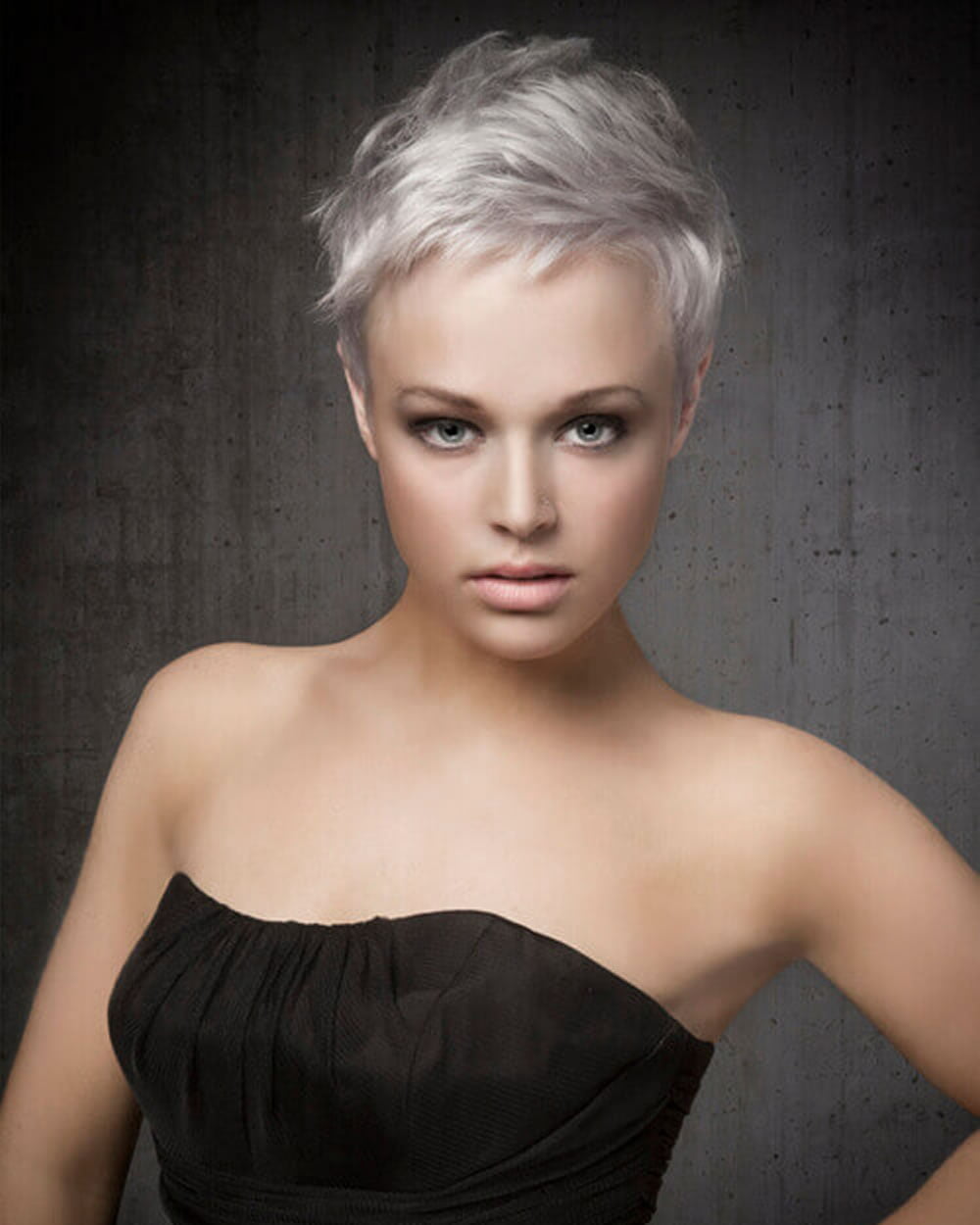
For those blessed with fine hair, the quest for volume, texture, and a style that doesn’t fall flat can often feel like an uphill battle. Limp locks, a lack of body, and styles that quickly lose their shape are common frustrations. While many shy away from short cuts, fearing they will only exacerbate the problem, there’s a revolutionary trend proving quite the opposite: the short undercut. Far from making fine hair look thinner, a strategically placed undercut can be the ultimate secret weapon, injecting much-needed volume, edge, and an effortless cool factor into otherwise unassuming strands.
This article delves into the transformative power of short undercut hairstyles for fine hair, exploring why they work, the various styles available, and how to choose, style, and maintain this daring yet surprisingly practical look.
Understanding the Undercut: More Than Just a Shave
At its core, an undercut involves shaving or cutting the hair very short on the lower section of the head, typically at the nape of the neck, along the sides, or both, while leaving the hair on top significantly longer. This creates a distinct contrast and a dramatic disconnect between the two sections.
For fine hair, the magic of the undercut lies in its ability to:
- Remove Bulk Strategically: Fine hair often lacks natural body, but it can still feel heavy and lie flat, especially if there’s too much of it. An undercut removes this underlying bulk, allowing the remaining top layers to lift more easily and appear fuller.
- Create Illusion of Density: By eliminating the thinner, less impactful hair underneath, the top section instantly looks denser and more substantial. It’s an optical trick that makes fine hair appear thicker than it actually is.
- Add Structure and Shape: The shaved or very short section provides a strong foundation and structure, preventing the top layers from collapsing. This built-in architecture gives the style longevity and shape.
- Introduce Edge and Personality: Beyond its practical benefits, the undercut instantly elevates a simple short cut into a statement style, adding a modern, edgy, and confident vibe.
Why Short Undercuts are a Game-Changer for Fine Hair
The synergy between short lengths and the undercut technique is particularly potent for fine hair, offering a multitude of benefits that address common concerns:
1. Unprecedented Volume and Lift:
This is arguably the most significant advantage. Fine hair struggles to hold volume because each strand is slender and lacks the internal structure of coarser hair. By shaving away the hair underneath, the top layers are freed from the weight that typically pulls them down. This allows the hair to lift naturally from the roots, creating an impressive amount of body and bounce that fine hair rarely achieves with traditional cuts. The contrast in lengths further accentuates this perceived volume.
2. Enhanced Texture and Dimension:
Fine hair can often look flat and one-dimensional. An undercut, especially when combined with layers on top, introduces dynamic texture. The longer top layers can be styled with waves, curls, or choppy texture, which stands in stark contrast to the sleek, short undercut. This interplay of textures adds visual interest and depth, making the hair appear more vibrant and less uniform.
3. Effortless Edge and Modernity:
A short undercut instantly modernizes any look. It’s a bold statement that conveys confidence and a contemporary aesthetic. For fine hair, which can sometimes appear delicate or unassuming, this edgy element provides a powerful counterpoint, transforming the overall vibe from subtle to striking. It’s a way to embrace a daring style without committing to a full head shave.
4. Reduced Styling Time and Effort:
While the initial cut requires precision, daily styling for a short undercut on fine hair is surprisingly low-maintenance. With less hair to manage, blow-drying time is significantly reduced. The built-in structure from the undercut means the style holds its shape better, requiring minimal product and effort to achieve a polished or playfully dishevelled look.
5. Cooler and Lighter Feel:
Removing hair from the nape and sides offers a practical benefit, especially in warmer climates or during physical activity. It provides a cooling effect and a lighter feel, which can be a welcome relief for those who find longer hair cumbersome.
6. Versatility in Styling:
Despite its edgy reputation, a short undercut offers surprising versatility. The longer top section can be styled in various ways: slicked back for a sophisticated look, swept to the side for softness, tousled for a playful vibe, or even curled for added texture. The undercut itself can be hidden or revealed, depending on the occasion and desired effect.
Popular Short Undercut Styles for Fine Hair
The beauty of the short undercut lies in its adaptability. Here are some popular variations that work exceptionally well for fine hair:
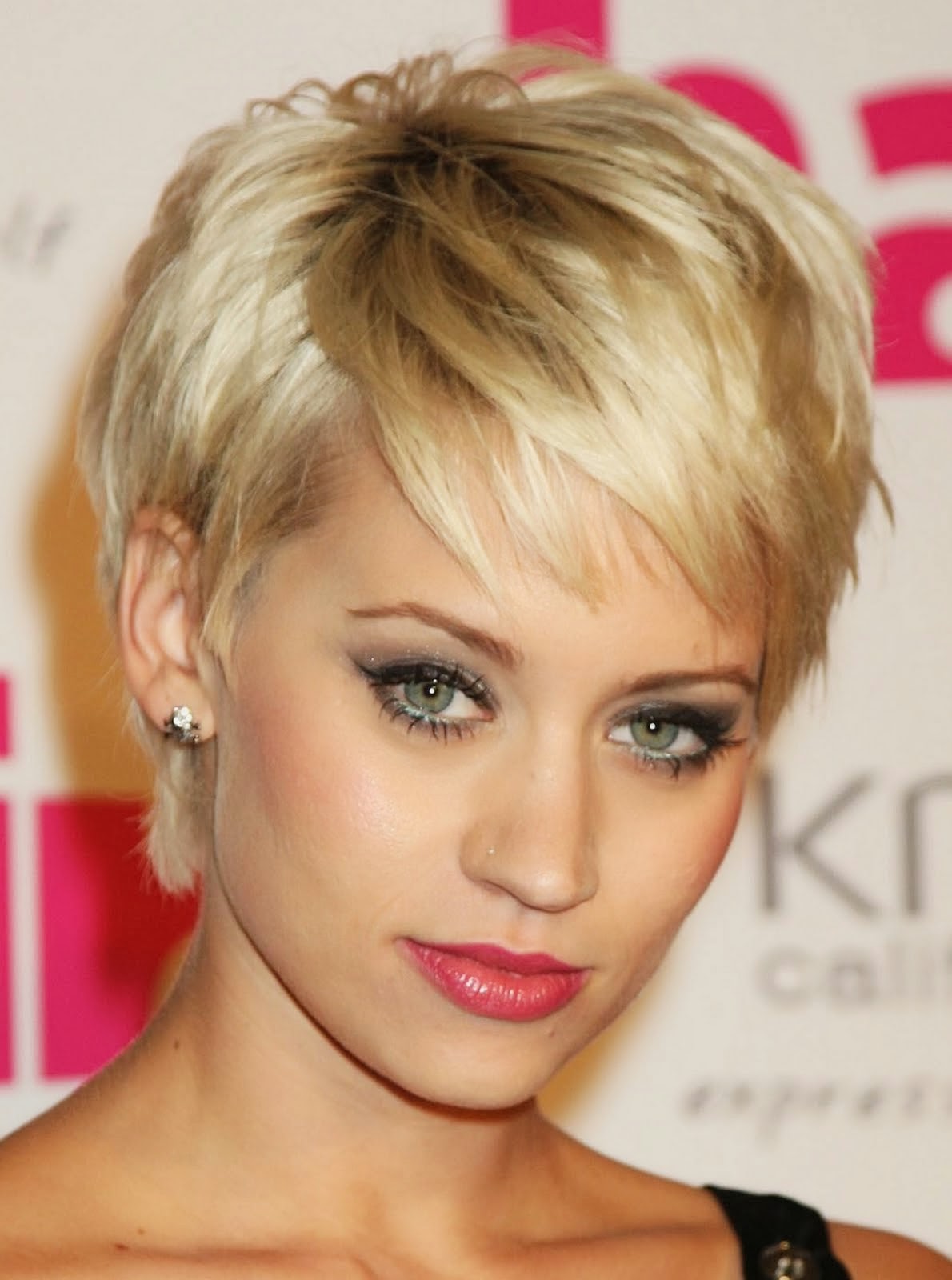
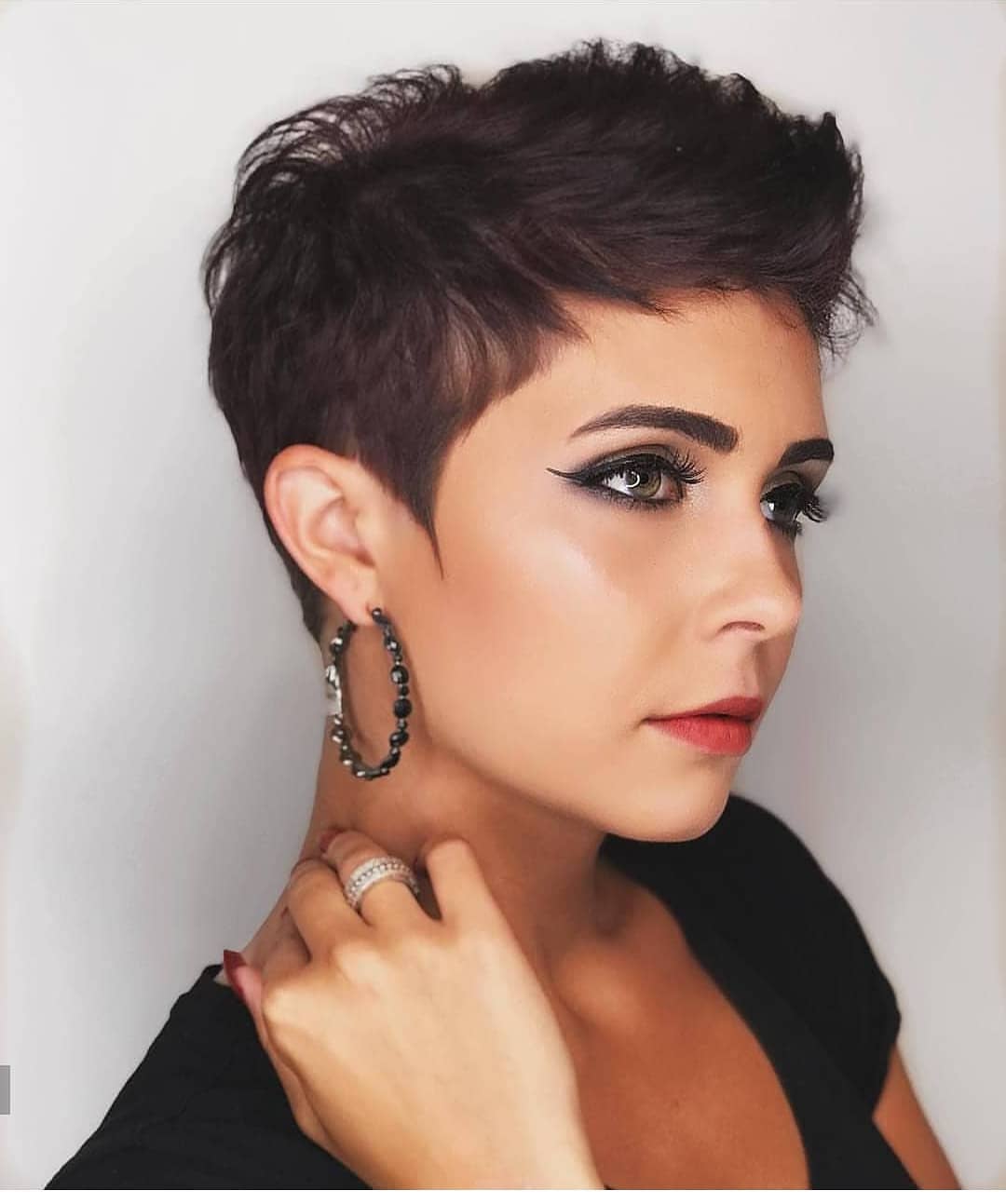
- The Classic Pixie with Nape Undercut: This is perhaps the most common and flattering combination. A traditional pixie cut with slightly longer layers on top is given an edgy twist with a clean, short undercut at the nape of the neck. This provides lift at the crown and keeps the back neat, preventing the "ducktail" effect that can sometimes plague pixies on fine hair. It’s easily hidden or revealed by simply lifting the top layers.
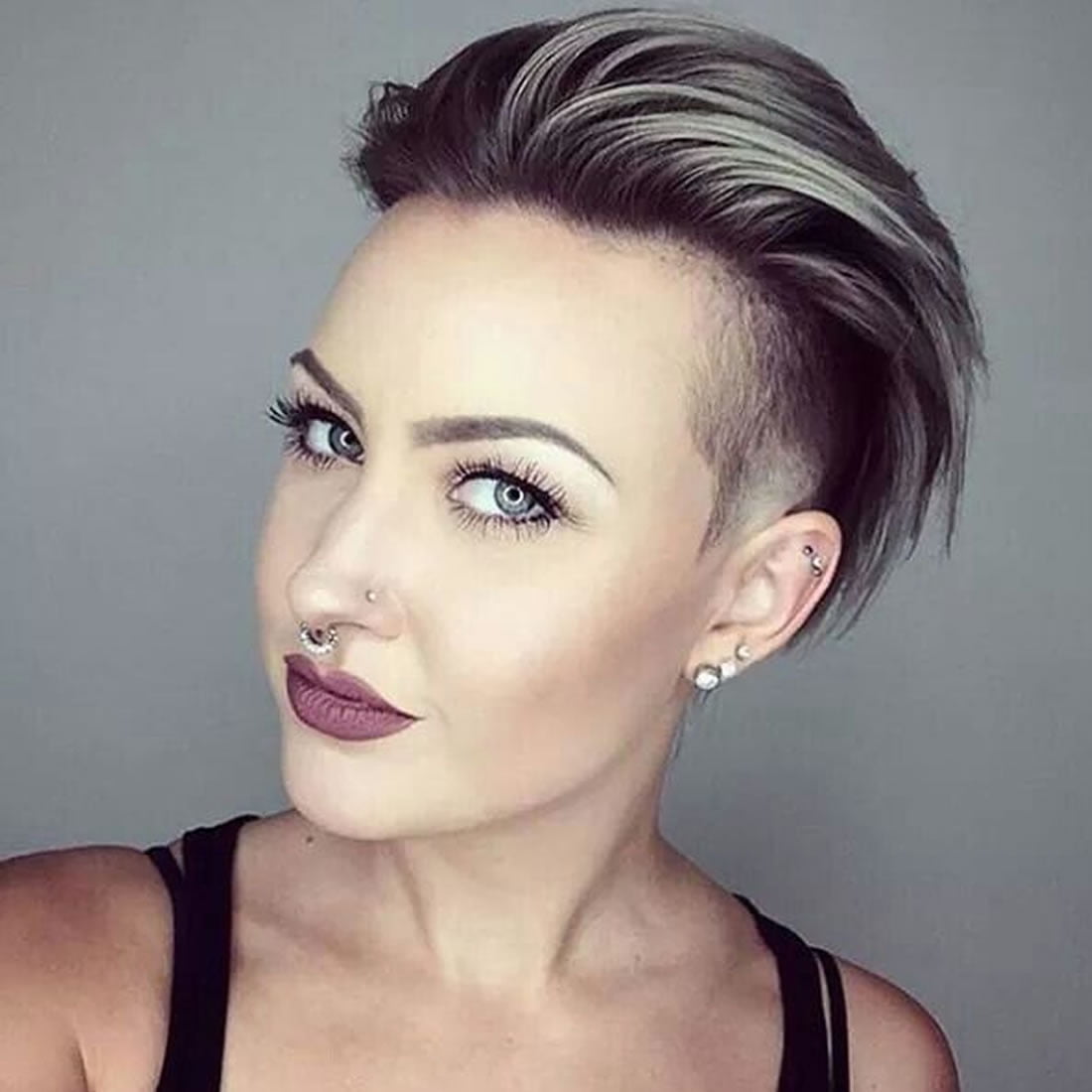
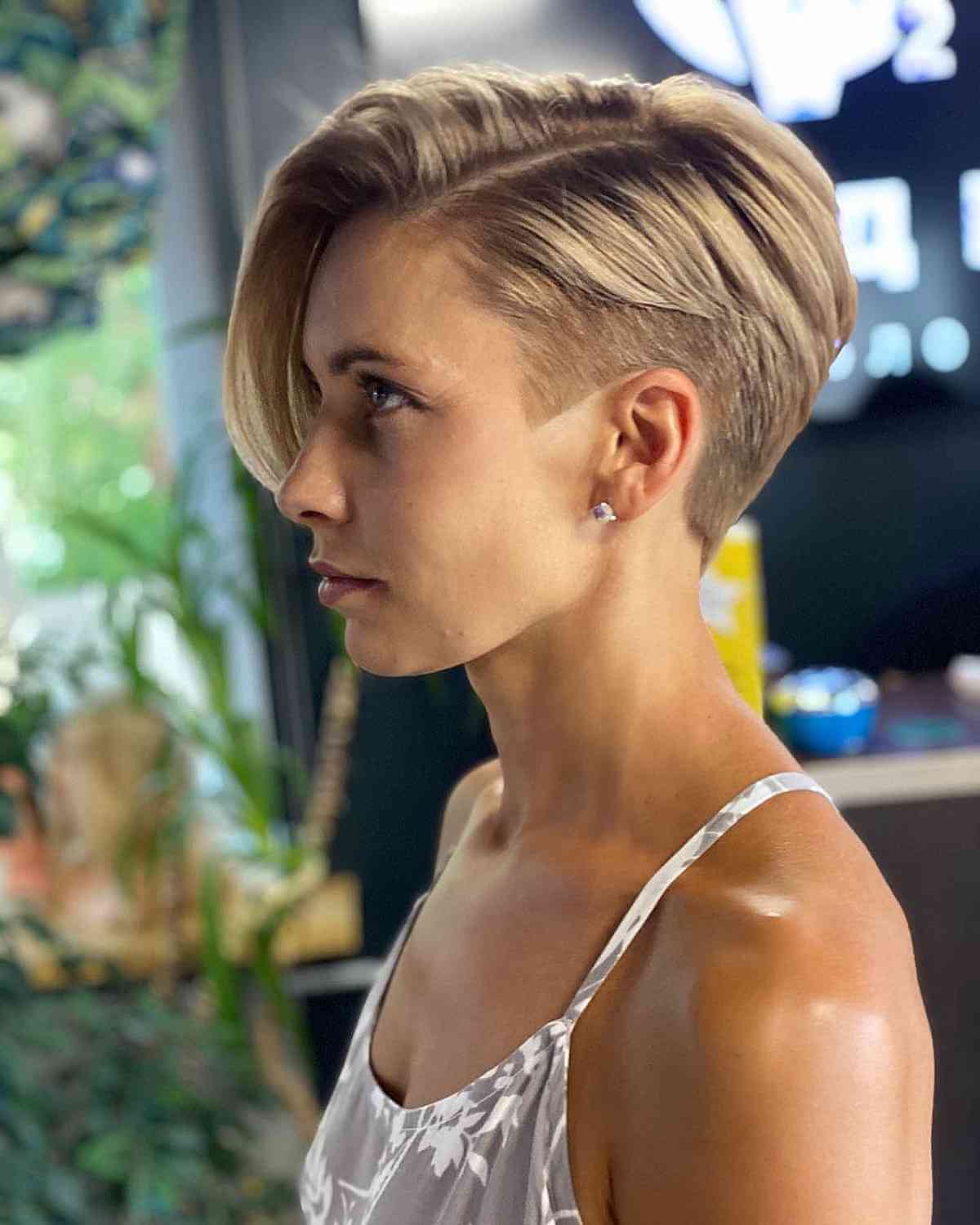
- Asymmetrical Pixie with Side Undercut: For those seeking a bolder statement, an asymmetrical pixie with one side significantly longer than the other, paired with an undercut on the shorter side, is a showstopper. The asymmetry adds drama and movement, while the undercut on the shaved side emphasizes the sharp lines and creates a striking contrast. This style works wonders for fine hair by creating a strong silhouette.
- Shaved Side Pixie (More Dramatic): Taking the side undercut a step further, this style features a more pronounced shaved section on one side, often extending from the temple to behind the ear. The remaining hair on top and the other side is kept longer, allowing for dramatic sweeps and styling. This creates an incredibly edgy and fashion-forward look that adds immense personality to fine hair.
- The Undercut Bob (Short A-Line or Graduated): While typically associated with longer hair, a very short bob (think chin-length or even jaw-length) can be dramatically enhanced with an undercut. An A-line bob with a nape undercut, for instance, removes bulk from the back, allowing the front to swing freely and appear thicker. A graduated bob with an undercut creates a beautifully stacked effect at the back, giving the illusion of volume where fine hair often falls flat.
- Textured Crop with Hidden Undercut: For a softer, more subtle approach, a textured crop (a short, choppy cut) can incorporate a hidden undercut. This means the shaved section is less visible, perhaps only revealed when the hair is tied up or styled in a specific way. It still provides the benefits of bulk removal and lift but with a less overt aesthetic, perfect for those who want the practical advantages without the dramatic visual.
- Creative Undercut Designs: The shaved section itself can become a canvas for artistic expression. Hair tattoos, geometric patterns, or intricate lines can be shaved into the undercut, adding a unique and personalized touch. This is an excellent way to showcase individuality, especially for those with fine hair who might otherwise feel limited in their styling options.
Choosing the Right Undercut for Your Fine Hair
Selecting the perfect short undercut involves considering several factors:
- Face Shape:
- Round/Square: Asymmetrical undercuts or side undercuts can help elongate and soften angles.
- Oval: Most styles work well.
- Heart/Long: Nape undercuts or subtle side undercuts can balance proportions.
- Hair Texture (within "fine"): Is your fine hair straight, wavy, or slightly curly? This will influence how the top layers fall and how much texture you can create.
- Lifestyle: Are you prepared for regular trims to maintain the undercut? Do you need a style that can be easily dressed up or down?
- Personal Style: How bold do you want to go? Do you prefer a subtle, hidden undercut or a dramatic, visible one?
- Consult Your Stylist: This is crucial. A skilled stylist understands hair density, growth patterns, and face shapes. They can advise on the best placement, length, and style of undercut to complement your fine hair and personal aesthetic. Bring inspiration photos, but be open to their professional advice.
Styling and Maintenance for Fine Hair Undercuts
While low-maintenance, a short undercut for fine hair still benefits from specific styling and care routines:
Styling Products (Less is More!):
- Lightweight Mousse or Volumizing Spray: Apply to damp roots before blow-drying to provide lift and body without weighing down fine strands.
- Texturizing Spray: Essential for adding grip, definition, and a lived-in feel to the top layers.
- Dry Shampoo: Great for refreshing roots and adding instant volume on non-wash days.
- Light Hold Paste or Wax: Use sparingly to define ends, create separation, or control flyaways. Avoid heavy, greasy products that will make fine hair look limp.
Styling Techniques:
- Blow-Drying for Volume: Use a round brush or your fingers to lift the roots while blow-drying. Direct the airflow against the natural fall of the hair for maximum lift.
- Finger Styling: For a casual, undone look, simply work a small amount of texturizing product through your top layers with your fingers.
- Teasing (Carefully): For extra volume at the crown, gently backcomb small sections at the roots, then smooth over the top layer. Be gentle to avoid damage to fine hair.
- Embrace Natural Texture: If your fine hair has a natural wave, enhance it with a diffuser or scrunching techniques.
Maintenance:
- Regular Trims for the Top: To maintain the shape and health of your top layers, schedule trims every 4-6 weeks.
- Frequent Undercut Shaves: The undercut section will grow out quickly. Depending on how short you keep it and how fast your hair grows, you might need to visit your stylist every 2-4 weeks for a quick touch-up. Some people learn to shave their own undercut with clippers for convenience.
- Scalp Health: Keep the shaved area clean and moisturized, especially if you experience any irritation.
- Protect Your Hair: Even fine hair can be prone to heat damage. Use a heat protectant spray before using any hot tools.
The Commitment and Growing Out Process
An undercut is a commitment. While the styling is easy, the upkeep of the shaved section is regular. It’s important to consider how you would manage the grow-out phase if you decide to change your style. Growing out an undercut can be awkward, as the shorter hair tries to blend with the longer sections. Strategies include:
- Embracing the Mullet-esque Phase: Allowing the shorter hair to grow out and blend naturally, which can result in a temporary "mini-mullet" look.
- Strategic Layering: Having your stylist cut layers into the longer hair to help the shorter sections blend in more seamlessly as they grow.
- Accessories: Headbands, scarves, and hats can be your best friends during the grow-out period.
- Transitioning to a Bob: As the undercut grows, it can often transition into a very short bob or a graduated bob, which can then be grown out further.
Conclusion
The short undercut hairstyle is no longer just a rebellious statement; it’s a sophisticated, practical, and incredibly flattering option for individuals with fine hair. By strategically removing bulk, creating an illusion of density, and injecting undeniable edge, it transforms limp locks into a dynamic, voluminous, and effortlessly cool style. It empowers those who once felt limited by their hair type to embrace a bold aesthetic that is both modern and surprisingly easy to maintain. If you’re ready to ditch the flatness and embrace a cut that truly makes a statement, the short undercut might just be the hair revolution your fine strands have been waiting for.