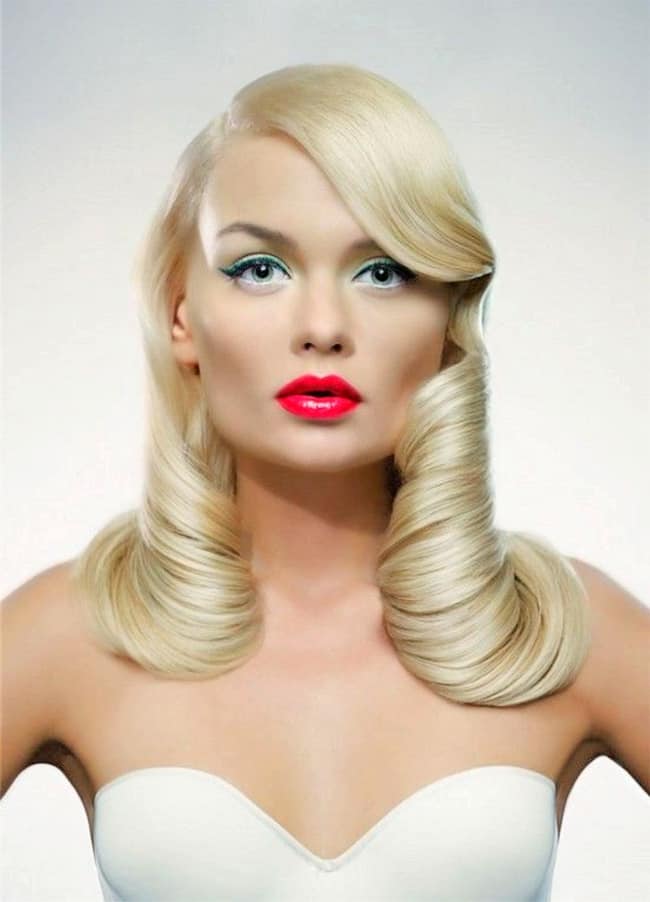
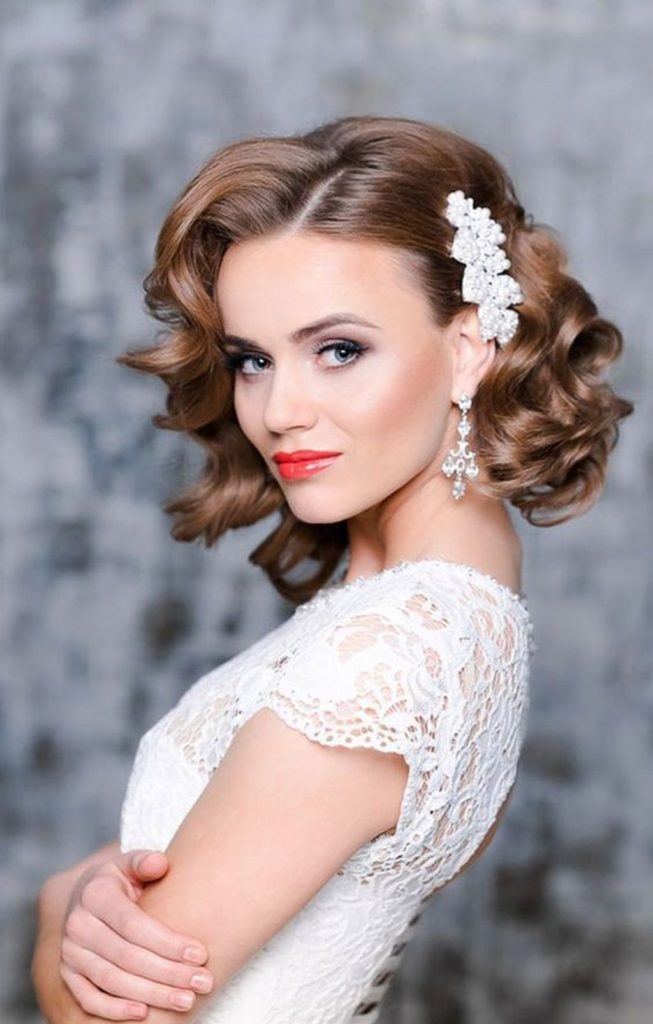
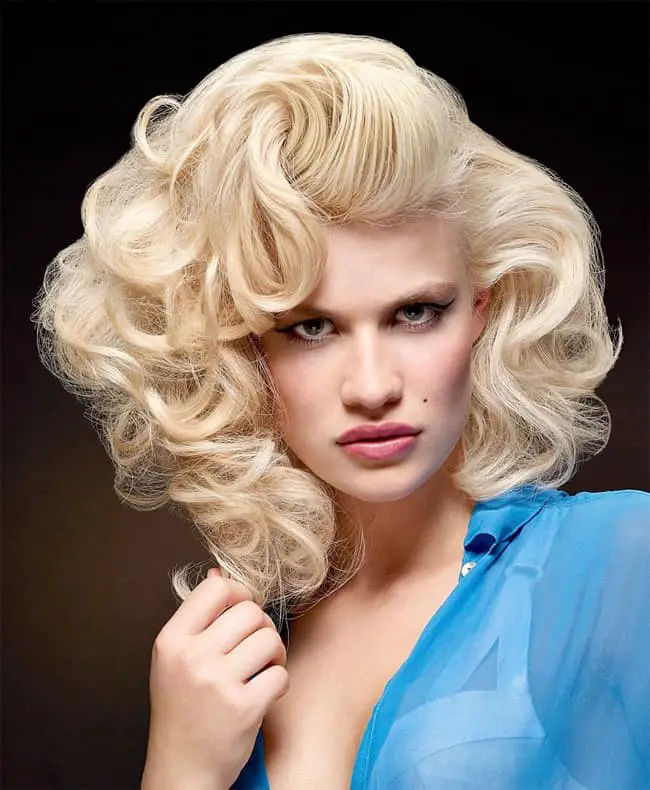
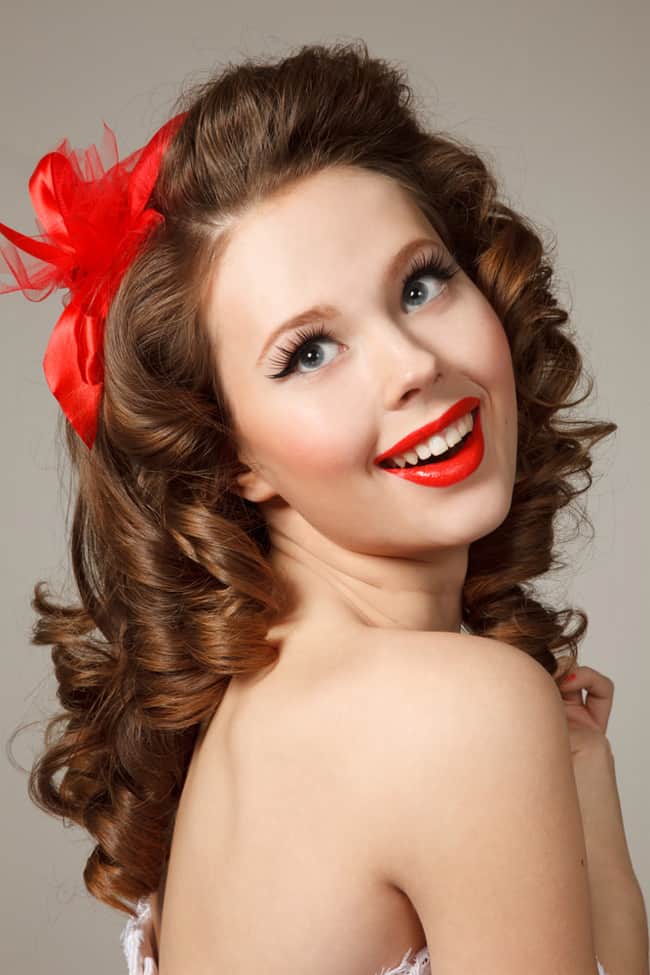
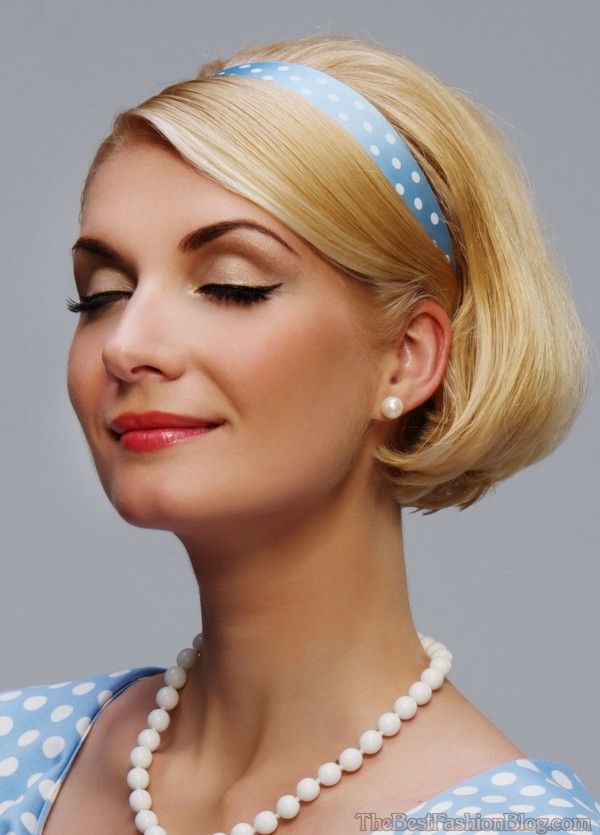
In an age of fleeting trends and ever-evolving fashion, there’s an undeniable allure to the past. Vintage styles, with their inherent elegance, glamour, and distinctive charm, offer a refreshing departure from the contemporary. While many associate vintage hair with either dramatic short bobs or cascades of Rapunzel-esque waves, the truth is that medium-length hair – falling anywhere from the collarbone to a few inches past the shoulders – is arguably the most versatile canvas for recreating these iconic looks.
Medium length hair strikes a perfect balance: it’s long enough to create intricate curls, rolls, and updos, yet short enough to manage without excessive weight or time. It offers the volume and movement needed for classic silhouettes while retaining a sense of modern wearability. This article will take you on a journey through the decades, exploring how medium-length hair can beautifully embody the spirit of vintage, offering practical tips and inspiration to help you achieve these timeless tresses.
Why Medium Length is Your Vintage Hair Ally
Before diving into specific eras, let’s appreciate why medium length is so ideal for vintage transformations:
- Versatility: It’s long enough to wrap around rollers for defined curls, create substantial victory rolls, or be pinned into elegant updos. Yet, it’s short enough to mimic the appearance of a shorter bob with strategic pinning, or to maintain bounce and volume without being weighed down.
- Manageability: Compared to very long hair, medium hair is quicker to set, brush out, and style. It also holds curl better, as the weight isn’t pulling the style down as much.
- Authenticity: Many popular vintage styles, particularly from the 1940s and 50s, were indeed worn on hair that would be considered medium length by today’s standards. This allows for a more authentic recreation without needing to add extensions or drastically cut your hair.
- Modern Wearability: Vintage styles on medium hair often feel less "costumey" and more integrated into a contemporary look, making them perfect for both special occasions and adding a touch of everyday glamour.
A Decades-Long Journey: Vintage Styles for Medium Hair
Let’s explore the iconic looks from various eras and how they translate beautifully to medium length hair.
The Roaring Twenties: Flapper Chic & Faux Bobs (1920s)
The 1920s were defined by rebellion, jazz, and the rise of the "flapper." Short, sleek bobs were the rage, but you don’t need to chop your locks to embrace this era’s spirit.
- Signature Look: Finger waves, sleek bobs, deep side parts, adorned with headbands.
- Medium Length Adaptation:
- Faux Bob: This is your go-to. Curl the ends of your hair inwards and pin them securely underneath at the nape of your neck, creating the illusion of a short bob. Ensure the front sections are smooth and close to the head.
- Deep Finger Waves: These elegant, flat waves can be created on the top and sides of your medium-length hair, even if the back is pinned up. Use a strong setting lotion or gel and a fine-tooth comb to create the "S" shape, clipping them in place until dry.
- Headbands & Adornments: The 1920s were all about accessories. A jeweled, feathered, or beaded headband worn low across the forehead instantly transforms your look, regardless of the precise wave pattern.
Tips: Focus on sleekness and definition. A strong-hold gel or mousse is essential for creating crisp waves.
The Golden Age of Hollywood: Soft Waves & Glamour (1930s)
As the exuberance of the 20s waned, the 1930s ushered in an era of refined elegance, heavily influenced by Hollywood sirens like Jean Harlow and Carole Lombard. Hair became softer, longer, and more romantic.
- Signature Look: Soft, brushed-out waves; deep side parts; subtle volume around the face.
- Medium Length Adaptation:
- Hollywood Waves: This is where medium hair truly shines. Set your entire head in large pin curls or hot rollers, all curling in the same direction (usually away from the face). Once cool, brush them out thoroughly with a soft bristle brush until the curls meld into a continuous, flowing wave pattern.
- Side Swept Glamour: A deep side part is crucial. Sweep the front section of your hair across your forehead, creating a soft, elegant curve before it blends into the waves. Pin one side back behind the ear for a classic asymmetrical look.
Tips: Patience in brushing out is key to achieving that seamless, flowing wave. Use a light-hold hairspray to maintain the shape without stiffness.
Wartime Wonders: Victory Rolls & Practical Chic (1940s)
The 1940s were a time of resilience and resourcefulness, reflected in hairstyles that were both practical for wartime work and glamorous for a night out. Volume, especially at the crown and sides, was paramount.
- Signature Look: Victory rolls, pin curls, barrel curls, hair worn up or partially up, often adorned with scarves.
- Medium Length Adaptation:
- Victory Rolls: Medium length hair is perfect for creating these iconic rolls. Section off hair at the front or sides, backcomb the roots for volume, smooth the top layer, and then roll the section inwards or outwards, securing with bobby pins. You can create two symmetrical rolls at the front, or one large roll at the crown.
- Pin Curl Sets: Set your entire head in pin curls. Once cool, brush them out gently for a soft, bouncy wave. The ends can be left loose or rolled up and pinned for a more formal look.
- Half-Up Styles: Gather the top section of your hair, backcomb for volume, and secure it with pins, letting the rest flow in soft curls. This is often combined with victory rolls.
- Turbans & Scarves: These were incredibly popular and can instantly transform a simple set into a 40s masterpiece, perfect for concealing a less-than-perfect hair day or adding a pop of color.
Tips: Backcombing is your best friend for achieving the necessary volume. Strong bobby pins are essential for securing rolls and curls.
The Fabulous Fifties: Bouncy Curls & Feminine Volume (1950s)
The post-war boom brought a return to overt femininity and domesticity, with hairstyles that were polished, bouncy, and often voluminous. Think Marilyn Monroe, Elizabeth Taylor, and Lucille Ball.
- Signature Look: Poodle cuts (adapted), bouncy curls, flipped ends, voluminous half-up styles, bangs.
- Medium Length Adaptation:
- Bouncy All-Over Curls: Use hot rollers or a curling iron to create defined, voluminous curls throughout your hair. Brush them out gently to create a softer, bouncier look, then arrange them around your face.
- The "Poodle" Adaption: While the classic poodle cut was short, medium hair can achieve a similar effect by creating very tight, defined curls all over, then pinning the back up and under to create a rounded silhouette.
- Flipped Ends: For a more casual 50s vibe, especially with bangs, straighten the top and mid-lengths of your hair, then use a curling iron or flat iron to create a distinct outward flip at the ends.
- Voluminous Half-Up: Similar to the 40s, but with even more emphasis on volume at the crown. Backcomb heavily, smooth the top, and secure the top section, letting the rest cascade in bouncy curls.
Tips: Hot rollers are excellent for achieving that signature 50s bounce. Don’t be afraid of hairspray for hold, but choose one that allows for movement.
The Swinging Sixties: Bouffants, Beehives & Mod Flips (1960s)
The 1960s saw a dramatic shift towards youth culture, with hairstyles becoming bolder, higher, and more experimental. From sophisticated bouffants to playful flips, volume remained key.
- Signature Look: High bouffants, beehives, flipped ends, "mod" styles, often with blunt bangs.
- Medium Length Adaptation:
- The Bouffant: Medium hair is ideal for this. Section off the crown, backcomb heavily underneath for maximum lift, smooth the top layer, and pin it securely at the back of your head. The rest of your hair can be left straight, curled under, or flipped out.
- Adapted Beehive: While a true beehive requires significant length, medium hair can achieve a smaller, chic version. Focus on creating extreme volume at the crown through backcombing, then smooth the top layer over the "nest" and gather the rest of your hair into a French twist or a low ponytail, pinning the ends under.
- The Flip: Similar to the 50s flip, but often more exaggerated and paired with straight, sleek hair elsewhere. A large barrel curling iron or round brush with a blow dryer can create the perfect outward flick at the ends.
Tips: Backcombing (teasing) is non-negotiable for 60s volume. A strong-hold hairspray and a fine-tooth comb for smoothing are essential.
General Tips for Mastering Vintage Styles on Medium Hair
Regardless of the decade you choose, a few universal principles will help you achieve a stunning vintage look:
- Preparation is Key: Start with clean, dry hair. For better hold, some prefer to style on day-old hair, but for defined sets, freshly washed and dried hair with the right products works best. Apply a heat protectant if using hot tools.
- Setting Techniques:
- Pin Curls: The foundation of many vintage styles. Take small sections of hair, curl them around your finger, and pin them flat against your scalp. Direction matters! Curl towards your face for waves, away for volume.
- Hot Rollers: Excellent for quick volume and curl. Allow them to cool completely before removing.
- Curling Irons: Modern irons can mimic many vintage curls, but remember to pin the curl up to cool after releasing it from the iron for maximum hold.
- Backcombing (Teasing): Essential for volume, especially in the 40s, 50s, and 60s. Take a section of hair, hold it straight up, and push a comb downwards towards the scalp in short, quick strokes.
- Brushing Out: This is where the magic happens, transforming defined curls into soft waves or voluminous shapes. Use a soft bristle brush and be patient.
- Products:
- Setting Lotion/Mousse: Crucial for defining waves and curls.
- Hairspray: Invest in a good strong-hold hairspray for longevity.
- Pomade/Shine Spray: For smoothing flyaways and adding a healthy sheen.
- Patience and Practice: Vintage hairstyling is an art form. Don’t get discouraged if your first attempt isn’t perfect. Practice makes perfect! Watching tutorials can be incredibly helpful.
Accessorizing Your Vintage Look
Accessories are the icing on the vintage cake. They can elevate a simple style or help define a specific era:
- 1920s: Beaded headbands, feathered clips, cloche hats.
- 1930s: Simple hairpins, subtle barrettes, small fascinators.
- 1940s: Hair scarves, turbans, snoods, flower clips.
- 1950s: Headbands (often wider), bows, small flower clips, hair combs.
- 1960s: Large headbands, hair bows, beehive pins, sometimes even hairpieces for added volume.
Modernizing Vintage for Everyday Wear
While full vintage looks are perfect for special occasions, you can easily incorporate elements into your daily style:
- A Single Victory Roll: Pair with modern loose waves.
- Soft Hollywood Waves: With a contemporary outfit.
- A Subtle Bouffant: At the crown, combined with a sleek ponytail or half-up style.
- Flipped Ends: On otherwise straight hair.
- Vintage-Inspired Accessories: A silk scarf tied around a messy bun, or a statement hairpin.
These subtle nods allow you to enjoy the elegance of the past without feeling like you’re in costume.
Conclusion
Vintage hairstyles for medium length hair are a testament to timeless beauty and versatility. They offer a unique way to express individuality, add a touch of old-world glamour to any occasion, and connect with the rich history of fashion. From the rebellious waves of the 20s to the voluminous bouffants of the 60s, medium hair provides the perfect foundation for recreating these iconic looks. So, gather your pins, rollers, and hairspray, and embark on your own journey into the captivating world of vintage hair. The past is waiting to inspire your next stunning hairstyle.