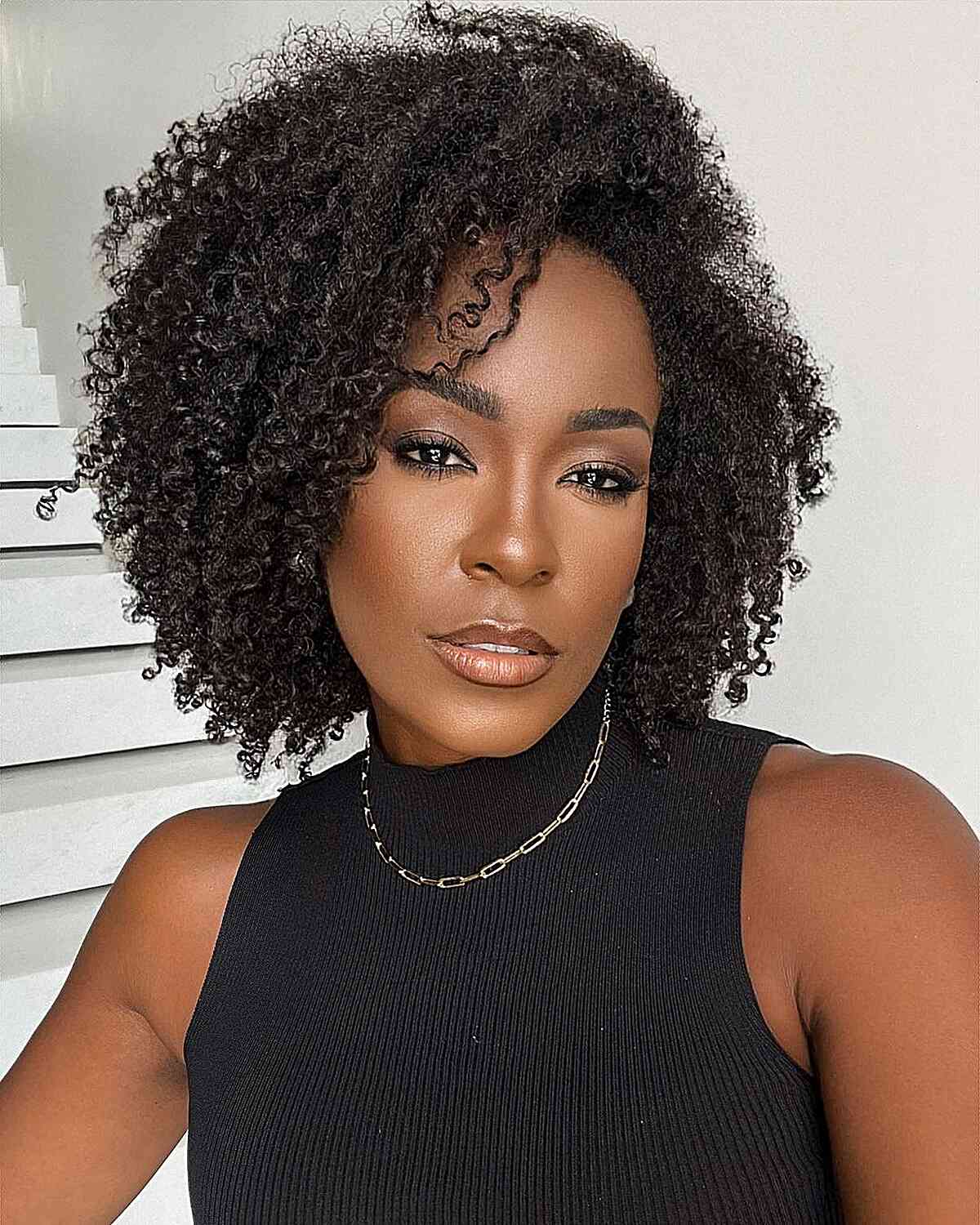
In the vibrant tapestry of Black beauty, few threads are as captivating as the fusion of vintage aesthetics with the glorious versatility of natural hair. Far from being a modern phenomenon, Black women have always been pioneers of style, adapting, innovating, and reclaiming beauty standards across every era. Today, the resurgence of natural hair has opened up an exquisite canvas, allowing contemporary naturalistas to delve into the archives of history and resurrect iconic vintage looks, imbuing them with fresh life and an undeniable sense of cultural pride.
This article delves into the enchanting world of vintage hairstyles, exploring how the unique texture and resilience of Black natural hair make it the perfect medium for recreating the glamour, sophistication, and rebellious elegance of bygone eras. We’ll journey through the decades, uncovering the styles that defined them and offering insights into how you can bring these timeless looks into your modern natural hair repertoire.
The Historical Canvas: A Journey Through Eras
To truly appreciate the magic of vintage styles on natural hair, it’s essential to understand the historical context. For much of the 20th century, Black women’s hair journeys were deeply intertwined with societal pressures, civil rights movements, and evolving beauty standards. While many mainstream styles promoted straightened hair, Black women consistently found ways to express themselves, often through intricate updos, precise sets, and later, the revolutionary embrace of the Afro.
The beauty of natural hair lies in its inherent volume, curl definition, and malleability – qualities that are surprisingly well-suited to the structured waves of the 1920s, the polished rolls of the 1940s, and the voluminous statements of the 1960s and 70s. Recreating these styles on natural hair isn’t just about aesthetics; it’s a powerful act of connecting with ancestral beauty, celebrating resilience, and redefining what "vintage" truly means.
The Roaring Twenties: Flapper Flair & Finger Waves
The 1920s, an era of jazz, liberation, and the iconic flapper, saw a shift towards shorter, sleek bobs and intricate finger waves. While the original styles often relied on chemical straightening or heat, natural hair offers a stunning, textured interpretation.
The Look: Characterized by close-cropped styles, deep side parts, and waves sculpted close to the head. Think Josephine Baker’s iconic slicked-down curls or the elegant waves that framed the face.
Natural Hair Adaptation:
- Faux Bob: For longer natural hair, a faux bob can be created by pinning the ends under to mimic the short, chic cut of the era.
- Defined Waves: Achieve this by setting damp, stretched hair with perm rods, flexi-rods, or even by carefully finger-coiling sections of hair and pinning them flat against the scalp until dry. A strong-hold gel or mousse is key for definition and longevity.
- Sleek Edges: The hallmark of 1920s styles is perfectly laid edges. Use a good edge control product and a fine-tooth comb or brush to sculpt your baby hairs into elegant swirls that frame your face.
- Accessorize: Adorn with a beaded headband, a feathered clip, or a jeweled hair comb to complete the flapper aesthetic.
This era’s styles, when adapted for natural hair, offer a sophisticated, polished look that highlights facial features and exudes an air of timeless elegance.
The Thirties & Forties: Victory Rolls & Pin-Up Glamour
As the world navigated the Great Depression and World War II, hairstyles evolved to reflect a blend of practicality and glamour. The 1930s brought softer, longer waves, while the 1940s introduced the iconic Victory Rolls and the rise of pin-up beauty. These styles celebrated structure, volume, and a polished finish, all of which can be magnificently achieved with natural hair.
The Look:
- 1930s: Softer, longer waves, often swept to one side, with a focus on a more romantic, understated elegance.
- 1940s: Defined, voluminous curls, often rolled up and away from the face (Victory Rolls), often paired with a sleek crown or a defined side part. Think Rosie the Riveter meets Hollywood siren.
Natural Hair Adaptation:
- Defined Curl Sets: Rod sets (perm rods, flexi-rods, curlformers) on damp, stretched hair are perfect for creating the uniform, bouncy curls needed for these styles. Ensure hair is completely dry before unraveling for maximum definition and longevity.
- Victory Rolls: This is where natural hair truly shines. The natural texture provides the perfect grip and volume. Section off hair at the front or sides, smooth with a brush and gel, then roll the hair upwards and inwards, pinning securely at the base. The natural coil can create a beautiful, textured roll.
- Faux Bangs & Pompadours: Natural hair can be manipulated into a voluminous faux bang or a small pompadour at the front, adding height and drama characteristic of the era.
- Headscarves & Bandanas: These were practical and stylish accessories during wartime. A colorful bandana tied around a defined curl set or a simple updo adds an authentic touch.
These styles celebrate the natural volume and holding power of textured hair, transforming it into architectural marvels that are both striking and historically resonant.
The Fifties: Glamour, Bouffants & Defined Curls
The 1950s ushered in an era of polished femininity, characterized by perfectly coiffed hair, often with voluminous crowns, sleek sides, and bouncy curls. While the beehive would rise to prominence in the late 50s and early 60s, the decade was largely about a refined, "done" look.
The Look: Soft, sculpted waves, often with a slight bouffant at the crown, or a sleek, pulled-back look with a focus on a voluminous ponytail or bun. Think classic Hollywood glamour.
Natural Hair Adaptation:
- Roller Sets for Volume: Large rollers (magnetic rollers or even jumbo flexi-rods) on stretched hair can create the soft, voluminous waves and curves of the 50s.
- Padded Bouffants: Use a hair donut or a teased section of natural hair to create the signature bouffant at the crown. Smooth the top layer of hair over the padding for a seamless finish.
- Defined Ponytails & Buns: A sleek, high ponytail with a bouncy, defined curl at the end, or a voluminous, sculpted bun at the nape of the neck, can perfectly capture the 50s aesthetic. Use strong-hold gel for a slicked-back front.
- Pin Curls: For lasting curls, pin each curl after unraveling from a rod set, allowing them to cool and set completely before styling.
The 50s styles showcase the ability of natural hair to hold shape and volume, offering a sophisticated and elegant appeal that remains timeless.
The Sixties: The Rise of the Afro & Rebellious Elegance
The 1960s were a pivotal decade for Black identity and beauty, marked by the powerful emergence of the Afro. This style was not just a fashion statement; it was a political declaration, a symbol of Black pride, self-acceptance, and a rejection of Eurocentric beauty standards. While other styles like the beehive and flipped ends were popular, the Afro stands as the quintessential natural vintage style of this era.
The Look: The Afro, a voluminous, spherical halo of natural curls, worn proudly and unadorned. It celebrated the hair’s natural texture and volume in its most uninhibited form.
Natural Hair Adaptation:
- The Afro: This is the ultimate natural hair style. Achieve volume by picking out your hair with an Afro pick, focusing on the roots. Different shapes and sizes can be created, from a perfectly rounded halo to a more asymmetrical, artistic form.
- Mini Afros: For shorter natural hair, a well-defined mini Afro can be equally impactful.
- Teased Crowns: For those not ready for a full Afro, a teased crown with the sides smoothed down can evoke the spirit of the 60s bouffant with a natural twist.
- Headbands & Hair Picks: Simple, often colorful, headbands or decorative Afro picks were popular accessories.
The Afro of the 60s is more than a hairstyle; it’s a cultural icon that continues to inspire and empower naturalistas today.
The Seventies: Disco Diva & Bohemian Braids
The 1970s brought an even greater emphasis on freedom and self-expression, leading to larger, more dramatic Afros, intricate braided styles, and a bohemian aesthetic. This era celebrated movement, volume, and individuality.
The Look:
- Jumbo Afros: Even bigger and bolder than the 60s, often picked out to magnificent proportions.
- Braids & Cornrows: Intricate cornrow patterns, often styled into updos or adorned with beads. Long, loose braids and twists also gained popularity.
- Wash-and-Go: The embrace of natural texture in a more free-flowing, less structured manner.
Natural Hair Adaptation:
- Maximized Volume: For a 70s Afro, focus on volume from root to tip. Use a wide-tooth comb or your fingers to gently separate curls for maximum fluff.
- Braided Updos: Cornrows can be styled into elaborate patterns, creating beautiful updos that are both protective and visually stunning. Think braided crowns or intricate designs that lead into a bun or a free-flowing section of curls.
- Twist-Outs & Braid-Outs: For defined, voluminous waves, a well-executed twist-out or braid-out can mimic the loose, flowing hair of the disco era.
- Head Wraps & Scarves: Large, colorful head wraps tied in various styles were a staple, offering both protection and a bold fashion statement.
The 70s styles on natural hair are about embracing natural texture in its grandest, most expressive forms, offering a blend of glamour and bohemian chic.
Why Natural Hair is the Perfect Canvas
The intrinsic qualities of Black natural hair make it uniquely suited for recreating vintage styles:
- Inherent Volume: Natural hair possesses a natural lift and fullness that is often desired in vintage looks, eliminating the need for excessive teasing or padding.
- Texture & Grip: The natural curl pattern provides excellent grip, allowing styles like victory rolls, pin curls, and updos to hold securely without excessive product or pins.
- Malleability: Natural hair can be stretched, coiled, twisted, and molded into a myriad of shapes, offering endless possibilities for creative styling.
- Protective Styling: Many vintage adaptations, especially those involving setting or pinning, can be low-manipulation and protective, promoting hair health.
- Authenticity: Recreating these styles on natural hair connects directly to the historical reality of Black women’s hair journeys, adding a layer of authenticity and cultural resonance.
Mastering the Look: Tips & Techniques
Achieving these vintage looks on natural hair requires a combination of preparation, the right tools, and a bit of practice:
- Start with Clean, Moisturized Hair: Hydrated hair is more pliable and less prone to breakage. Use a good leave-in conditioner.
- Stretch Your Hair: For many structured styles, stretched hair (via blow-drying on cool, banding, or threading) provides a smoother base and allows for more defined results.
- Invest in Setting Tools: Perm rods, flexi-rods, magnetic rollers, and curlformers are your best friends for creating defined curls and waves.
- Use the Right Products:
- Mousse/Setting Lotion: For definition and hold, especially for rod sets and finger waves.
- Strong-Hold Gel: Essential for sleek edges, sculpting, and securing rolls.
- Hair Spray: For a final hold and to tame flyaways.
- Light Oil/Serum: For shine and to minimize frizz after unraveling sets.
- Pins, Pins, Pins: Bobby pins and hairpins are crucial for securing rolls, updos, and shaping.
- Practice Makes Perfect: Don’t get discouraged if your first attempt isn’t flawless. Experiment with different techniques and products to find what works best for your hair type. Watching tutorials can be incredibly helpful.
- Accessorize Thoughtfully: Headbands, scarves, hair clips, and brooches can elevate your vintage look and add an authentic touch.
Beyond the Aesthetics: Cultural Significance
Embracing vintage hairstyles on Black natural hair is more than just a fashion statement; it’s a profound act of cultural reclamation and self-love. It acknowledges the ingenuity and resilience of Black women throughout history who, despite societal pressures, consistently found ways to express their beauty and identity through their hair.
By donning a meticulously crafted set of victory rolls or a magnificent Afro, you are not only celebrating a beautiful aesthetic but also honoring a legacy of creativity, resistance, and unwavering pride. You are connecting with the stories of your ancestors, bringing their styles into the present, and asserting the timeless beauty and versatility of Black natural hair.
Conclusion
The world of vintage hairstyles offers an endless source of inspiration for Black natural hair. From the sophisticated waves of the 1920s to the revolutionary Afros of the 60s and 70s, each era presents a unique opportunity to explore, experiment, and express your individuality.
Natural hair, with its unparalleled texture, volume, and versatility, is not merely capable of recreating these looks; it elevates them, adding a depth and authenticity that is truly unparalleled. So, whether you’re channeling a flapper diva, a pin-up queen, or a disco icon, embrace the journey. Dive into the past, experiment with your glorious natural tresses, and let your hair tell a story that is both deeply personal and historically rich. The past is calling, and your natural hair is ready to answer with timeless elegance.