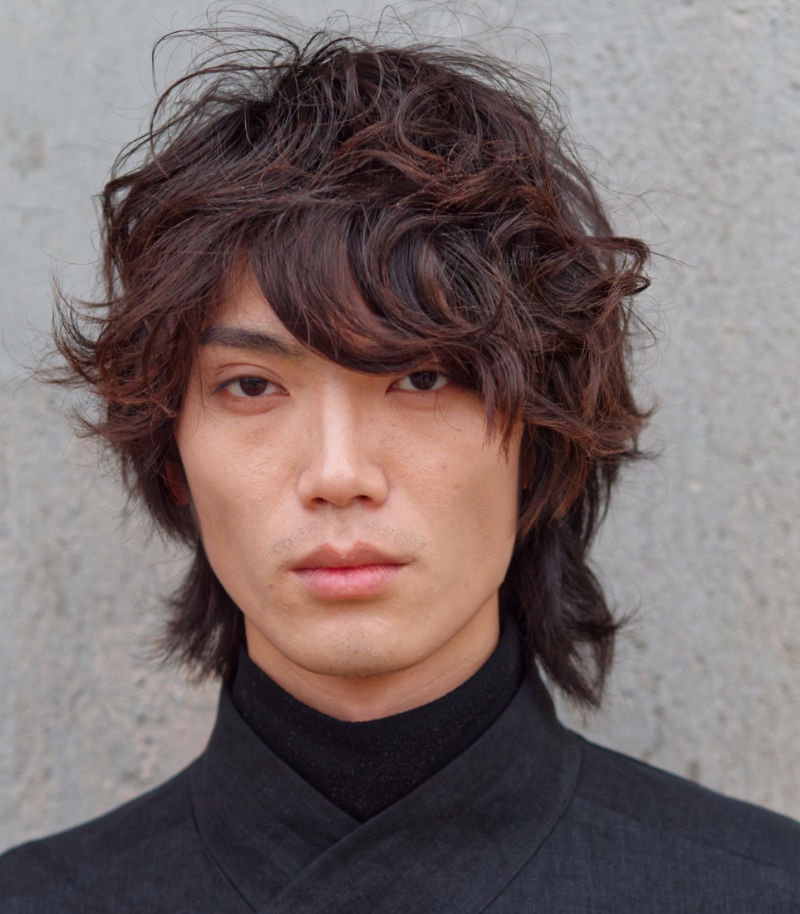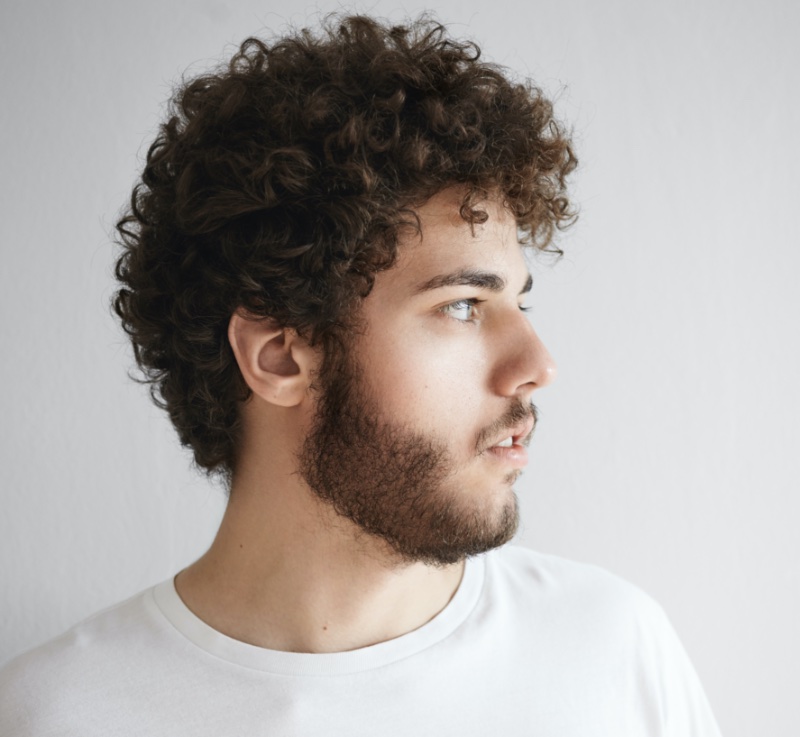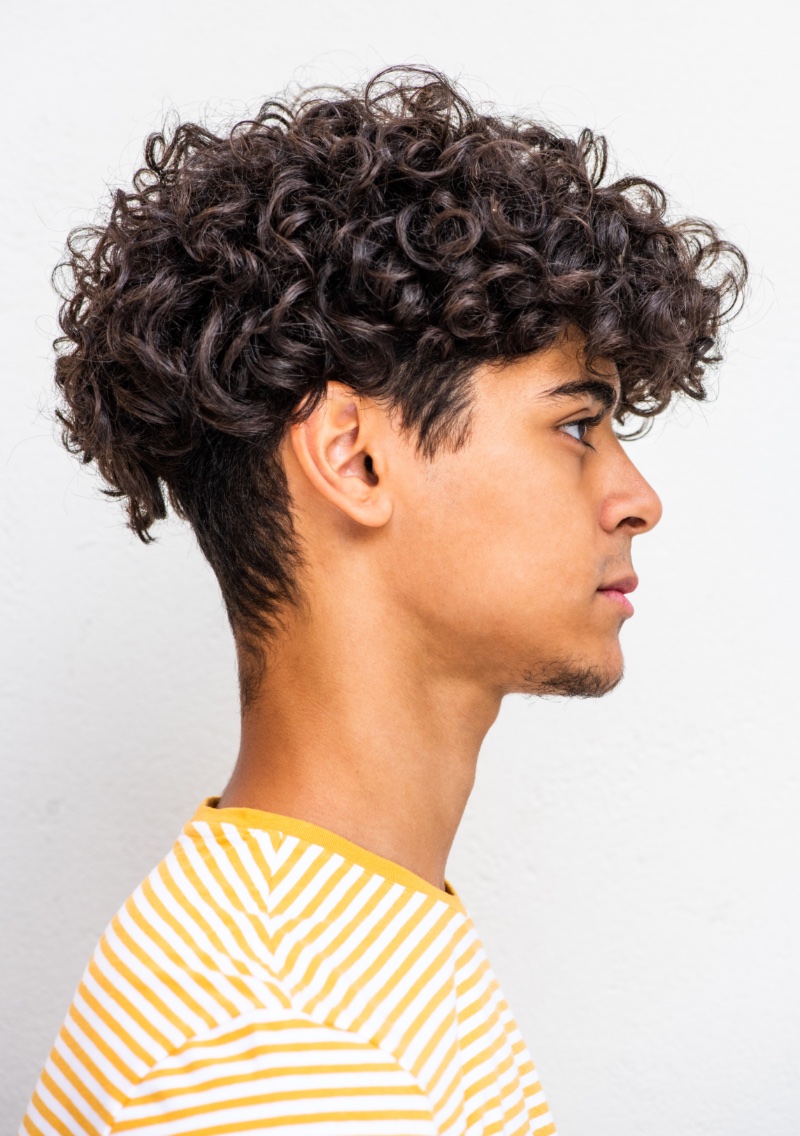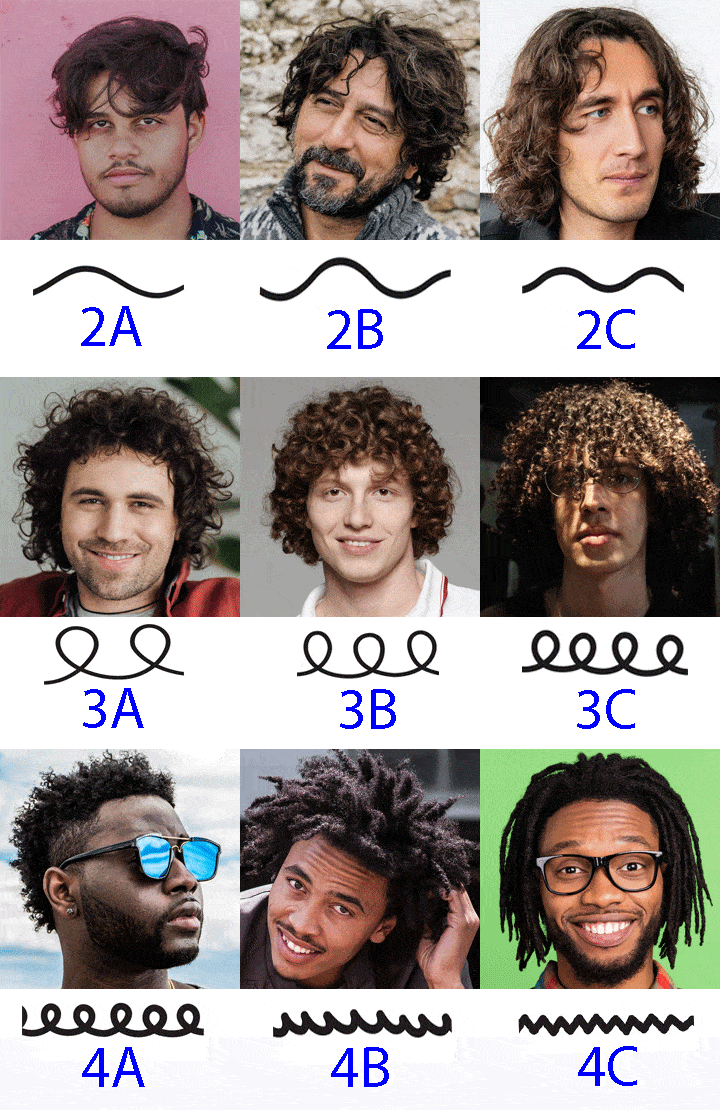
For too long, the narrative around men’s hair has been dominated by simplistic ideals: short, neat, and effortlessly managed. This limited perspective often leaves men with natural texture, particularly those with the distinctive S-shaped waves of Type 2 curly hair, feeling misunderstood, frustrated, and even compelled to fight against their hair’s inherent beauty. The result? Frizz, dryness, and a perpetual battle against a hair type that, when properly understood and cared for, can be a profound source of confidence, style, and individuality.
This comprehensive guide is dedicated to men with Type 2 curly hair – the often-overlooked wave. We’ll delve into the nuances of this unique hair type, debunk common myths, and provide a step-by-step roadmap to embracing, nourishing, and styling your waves with pride. Prepare to transform your hair from a daily struggle into your crowning glory.
Understanding Your Waves: The Nuances of Type 2 Hair
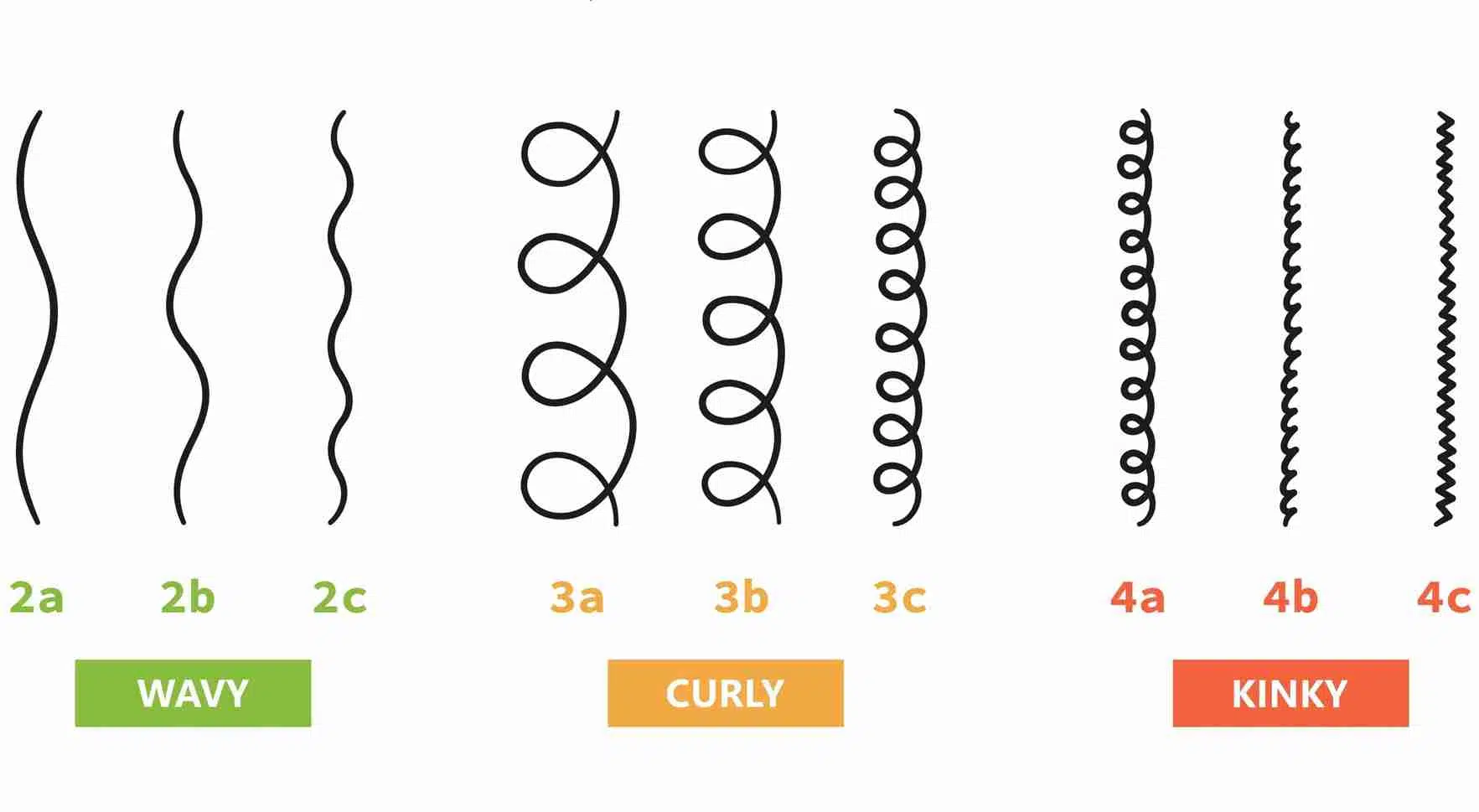
Before diving into care routines, it’s crucial to understand what defines Type 2 hair. According to the Andre Walker Hair Typing System, Type 2 hair is characterized by its S-shaped pattern, ranging from loose, barely-there waves to more defined, almost spiral-like formations. Unlike Type 3 (curly) or Type 4 (coily) hair, Type 2 hair typically lies closer to the head and is less prone to shrinkage.
Within Type 2, there are three distinct sub-categories, each with its own characteristics and needs:
- 2A: The Barely-There Wave: This is the loosest wave pattern. Hair tends to be fine and thin, with a gentle, tousled S-shape that is easily straightened. It can lack volume at the roots and is prone to frizz if not properly hydrated. Think of a subtle, beachy wave.
- 2B: The Defined S-Wave: This type features more defined S-shaped waves that start from the mid-lengths to the ends. It tends to be thicker than 2A and has a moderate amount of frizz. It holds its wave pattern better but can still be weighed down by heavy products.
- 2C: The Spiraling Wave: This is the most defined of the Type 2 categories, with distinct S-shaped waves that can border on loose spirals. It’s often coarser and thicker, with a higher propensity for frizz. 2C hair often has more volume at the roots compared to 2A and 2B.
Recognizing your specific sub-type is the first step towards tailoring a care routine that truly works. Regardless of the sub-type, Type 2 hair shares common characteristics: a tendency towards frizz, a need for consistent hydration, and a delicate balance between definition and volume.
The Unique Journey of Men with Type 2 Hair
The journey for men with Type 2 hair often begins with frustration. Societal norms and a lack of specific guidance have historically pushed men towards short, low-maintenance cuts, leading many to believe their natural waves are "unruly" or "messy." Common scenarios include:
- The "Frizz is Bad" Misconception: Frizz is often seen as a sign of unhealthy hair, when in fact, for Type 2 hair, it’s often a cry for moisture.
- Over-Brushing Dry Hair: Attempting to "tame" waves with a brush on dry hair only disrupts the wave pattern, leading to a poofy, undefined mess.
- Using Harsh Products: Many mainstream men’s hair products contain sulfates and heavy silicones that strip natural oils and build up on the hair, leading to dryness and limp waves.
- Ignoring Hydration: Believing that short hair doesn’t need much care, many men skip essential conditioning and moisturizing steps.
However, the tide is turning. More men are embracing their natural textures, recognizing that well-cared-for waves exude confidence, character, and a unique aesthetic appeal. The key is to shift from fighting your hair to understanding and nurturing it.
The Foundation: Essential Hair Care Principles for Type 2 Waves
Regardless of your specific 2A, 2B, or 2C designation, certain universal principles underpin healthy Type 2 hair care:
- Hydration is Paramount: Type 2 hair, due to its wave pattern, allows natural oils from the scalp to travel down the hair shaft less efficiently than straight hair. This makes it prone to dryness and, consequently, frizz. Moisture is your best friend.
- Gentle Handling: Your waves are delicate. Aggressive scrubbing, harsh towel drying, or brushing dry hair will disrupt the wave pattern and cause frizz and breakage.
- Product Awareness: Not all products are created equal. Look for formulations specifically designed for wavy or curly hair, prioritizing hydrating ingredients and avoiding harsh chemicals.
- Consistency is Key: A consistent routine, even if simple, will yield far better results than sporadic efforts.
The Wash Day Ritual: A Step-by-Step Guide
Wash day is the cornerstone of a healthy Type 2 hair routine. How you cleanse and condition sets the stage for how your waves will look and feel.
- Pre-Poo (Optional but Recommended): Before shampooing, apply a lightweight oil (like argan, jojoba, or sweet almond oil) or a pre-shampoo treatment to dry hair. This creates a protective barrier, preventing the shampoo from stripping too much natural oil. Leave on for 15-30 minutes.
- Shampoo – Less is More:
- Frequency: Type 2 hair generally doesn’t need daily shampooing. Aim for 2-3 times a week, or even less if your scalp isn’t oily. Over-washing strips natural oils.
- Product Choice: Opt for a sulfate-free, gentle cleansing shampoo. Sulfates are harsh detergents that can dry out your waves.
- Technique: Focus the shampoo primarily on your scalp, gently massaging to lift dirt and product buildup. Let the suds run down the length of your hair as you rinse; there’s no need to scrub the ends.
- Conditioner – Your Hair’s Best Friend:
- Generous Application: After rinsing shampoo, apply a generous amount of a hydrating, silicone-free conditioner.
- Detangling: This is the best time to detangle. Use your fingers or a wide-tooth comb to gently work through any knots, starting from the ends and working your way up. Never brush wet or dry hair with a fine-tooth comb.
- Squish to Condish (Optional but Effective): While the conditioner is in, cup water in your hands and "squish" it into your hair, scrunching upwards. This helps the conditioner penetrate better and encourages wave formation.
- Rinse: Rinse thoroughly with cool or lukewarm water. A final cool rinse can help seal the cuticle, enhancing shine and reducing frizz.
- Drying – The Gentle Approach:
- Microfiber Towel or Old T-Shirt: Ditch the terry cloth towel! Its rough texture causes friction and frizz. Gently squeeze excess water from your hair with a microfiber towel or an old cotton t-shirt. Do not rub vigorously.
- Plopping (Optional): For more defined waves, "plop" your hair. Lay a microfiber towel or t-shirt flat, flip your head over so your hair gathers in the center, then wrap the fabric around your head, tying the sleeves (if using a t-shirt) to secure it. Leave for 10-20 minutes to absorb excess water and encourage wave formation.
Product Power: Your Arsenal for Awesome Waves
Choosing the right products is crucial. Here’s a breakdown of what to look for:
- Cleansers:
- Sulfate-Free Shampoos: Essential for gentle cleansing without stripping.
- Co-Washes (Conditioner Washes): For very dry hair or those who wash frequently, a co-wash cleanses with conditioner, offering maximum moisture.
- Conditioners:
- Rinse-Out Conditioners: Daily use, focus on hydration and slip for detangling.
- Deep Conditioners/Hair Masks: Use once a week or every other week for an intensive moisture boost. Look for ingredients like shea butter, argan oil, coconut oil, and humectants like glycerin.
- Leave-In Conditioners: Non-negotiable for Type 2 hair. Applied after washing, they provide continuous moisture and a base for styling products. Choose a lightweight spray or cream that won’t weigh down your waves.
- Stylers: These define your waves and provide hold.
- Wavy Hair Creams: Offer light hold and moisture, great for a natural, soft look.
- Mousses: Provide volume and light to medium hold without crunch. Apply to wet hair and scrunch.
- Gels: Offer stronger hold and definition. Look for "cast-forming" gels that create a hard cast when dry, which you then "scrunch out the crunch" (SOTC) for soft, defined waves.
- Salt Sprays: For a true "beachy" look, salt sprays can enhance natural waves and add texture, but use sparingly as they can be drying.
- Oils/Serums: Applied sparingly to dry hair, these add shine, seal in moisture, and combat frizz. Lightweight options like argan, jojoba, or a silicone-based serum are best.
Application Tip: Always apply styling products to wet hair (after leave-in) to lock in moisture and encourage wave formation. Emulsify products in your hands before applying evenly.
Styling Your Waves: Versatility and Confidence
Once your hair is prepped, it’s time to style.
- Air Drying vs. Diffusing:
- Air Drying: The gentlest option. Apply products, scrunch, and let your hair dry naturally. Avoid touching it until it’s completely dry to prevent frizz.
- Diffusing: For faster drying and more volume/definition. Use a diffuser attachment on your hairdryer on a low heat, low speed setting. Gently cup sections of your hair in the diffuser and lift towards the scalp. Avoid blasting hot air directly onto your waves.
- Scrunching: This is key for Type 2 hair. After applying products, gently scrunch your hair upwards towards your scalp to encourage the S-pattern to form.
- Breaking the Cast (SOTC): If you’ve used a gel that creates a hard cast, once your hair is 100% dry, gently scrunch your hair again with clean hands (or a few drops of lightweight oil) to break the cast and reveal soft, defined waves.
- Refreshing Day 2+ Hair: To revive waves without a full wash, lightly mist hair with water (or a diluted leave-in conditioner spray), scrunch, and reapply a small amount of styling product (mousse or cream).
Styling Options for Men with Type 2 Hair:
- The Textured Crop: Shorter on the sides and back, with longer, textured waves on top. This is a classic and easy-to-manage style that highlights your natural texture.
- The Flow/Layered Look: Medium-length hair with strategic layers to reduce bulk and enhance wave movement. Can be worn pushed back, parted, or falling naturally.
- The Messy Fringe: Waves styled forward to create a textured fringe. Great for adding softness to the face.
- The Man Bun/Top Knot: For longer waves, gathering them into a loose bun or top knot can be stylish and practical, especially on second or third-day hair.
- Embracing the Length: Allowing your waves to grow out naturally, embracing their full volume and flow. This requires commitment to care but offers maximum impact.
Professional Cuts: Find a barber or stylist who understands curly/wavy hair. They can cut your hair dry or use specific techniques to enhance your natural pattern, rather than fighting it. Regular trims (every 8-12 weeks) are essential to remove split ends and maintain shape.
Common Pitfalls and How to Avoid Them
- Over-Washing: Leads to dryness and frizz. Stick to 2-3 times a week, or co-wash.
- Brushing Dry Hair: The cardinal sin for wavy hair. It destroys the wave pattern and creates a frizzy halo.
- Using Products with Harsh Sulfates and Silicones: These strip moisture and cause buildup. Read ingredient labels.
- Skipping Leave-In Conditioner: Your waves need continuous moisture.
- Not Protecting Hair While Sleeping: Friction from cotton pillowcases can cause frizz and tangles.
Beyond the Basics: Advanced Tips for Optimal Health
- Sleep Protection: Invest in a satin or silk pillowcase. This reduces friction, preventing frizz, tangles, and preserving your wave pattern overnight.
- Diet and Hydration: What you put into your body reflects in your hair. A balanced diet rich in proteins, vitamins, and minerals, along with ample water intake, supports healthy hair growth.
- Patience and Experimentation: Finding the perfect routine and products takes time. Don’t get discouraged if something doesn’t work immediately. Hair changes with seasons, hormones, and age, so be prepared to adapt.
- Listen to Your Hair: Pay attention to how your hair feels and reacts to products and techniques. Is it dry? Limp? Frizzy? Adjust your routine accordingly.
Embracing Your Natural Texture: More Than Just Hair
Caring for your Type 2 waves is more than just a grooming routine; it’s an act of self-acceptance and empowerment. In a world that often tries to homogenize appearances, embracing your natural texture is a powerful statement of individuality. Your waves are unique to you – they tell a story, add character, and project a confident, authentic image.
By understanding your hair type, committing to a nourishing routine, and experimenting with styling, you’ll not only achieve healthier, more defined waves but also unlock a new level of self-assurance. So, ditch the struggle, embrace the wave, and let your natural texture shine. Your Type 2 hair is not a problem to be tamed, but a magnificent feature to be celebrated.