For many, the idea of styling their own hair beyond a basic ponytail can feel daunting. Rows of products, an array of tools, and seemingly complex techniques often lead to frustration and a default to the simplest options. But what if mastering beautiful hairstyles was less about innate talent and more about understanding a few fundamental steps and practicing with patience?
This comprehensive guide aims to demystify the art of hair styling, breaking down popular looks into manageable, step-by-step instructions. Whether you’re aiming for everyday elegance, a casual chic vibe, or a polished look for a special occasion, you’ll discover that with the right approach, you too can become your own hair guru.
The Foundation: Pre-Styling Essentials
Before diving into specific styles, laying the groundwork is crucial. Proper preparation ensures your hair is ready to hold a style, looks its best, and is protected from potential damage.
1. Hair Prep: Cleanse, Condition, and Dry
- Clean Hair is Best (Mostly): While some styles (like updos) benefit from second-day hair for better grip, most styles start best on freshly washed and conditioned hair. Use products suited to your hair type (volumizing for fine hair, smoothing for frizzy, hydrating for dry).
- Thorough Drying: Unless a style specifically calls for damp hair, ensure your hair is completely dry before using heat tools. Damp hair is more susceptible to heat damage. For blow-drying, use a heat protectant spray generously.
- Detangle, Detangle, Detangle: Always start with thoroughly detangled hair. Use a wide-tooth comb or a detangling brush, working from the ends upwards to avoid breakage.
2. Your Essential Styling Toolkit:
Having the right tools at your disposal makes all the difference.
- Brushes and Combs:
- Detangling Brush/Wide-Tooth Comb: For knot-free hair.
- Paddle Brush: For smoothing and general styling.
- Round Brush: For blow-drying and adding volume/curl.
- Teasing Comb: For backcombing and adding lift.
- Hair Ties and Elastics:
- Regular Hair Ties: For ponytails and buns. Opt for fabric-covered ones to minimize breakage.
- Clear Elastics: Ideal for securing braids or small sections discreetly.
- Bobby Pins and Hair Grips:
- Standard Bobby Pins: In various sizes and colors matching your hair.
- Hair Grips/U-Pins: Great for securing buns and updos.
- Sectioning Clips: Crucial for managing hair and working in organized sections.
- Heat Tools (with Caution!):
- Blow Dryer: With a concentrator nozzle for precision.
- Curling Iron/Wand: Various barrel sizes for different curl types.
- Flat Iron/Straightener: For sleek looks or creating waves.
- Crucial Tip: Always apply a heat protectant spray before using any heat tool.
- Styling Products:
- Heat Protectant Spray: Non-negotiable for heat styling.
- Mousse/Volumizing Spray: For body and hold, especially at the roots.
- Texturizing Spray/Dry Shampoo: For grip, volume, and a lived-in look.
- Hairspray: For setting and hold (light, medium, strong).
- Shine Serum/Oil: For frizz control and a polished finish (use sparingly).
Hairstyle 1: The Classic Low Bun (Elegance in Simplicity)
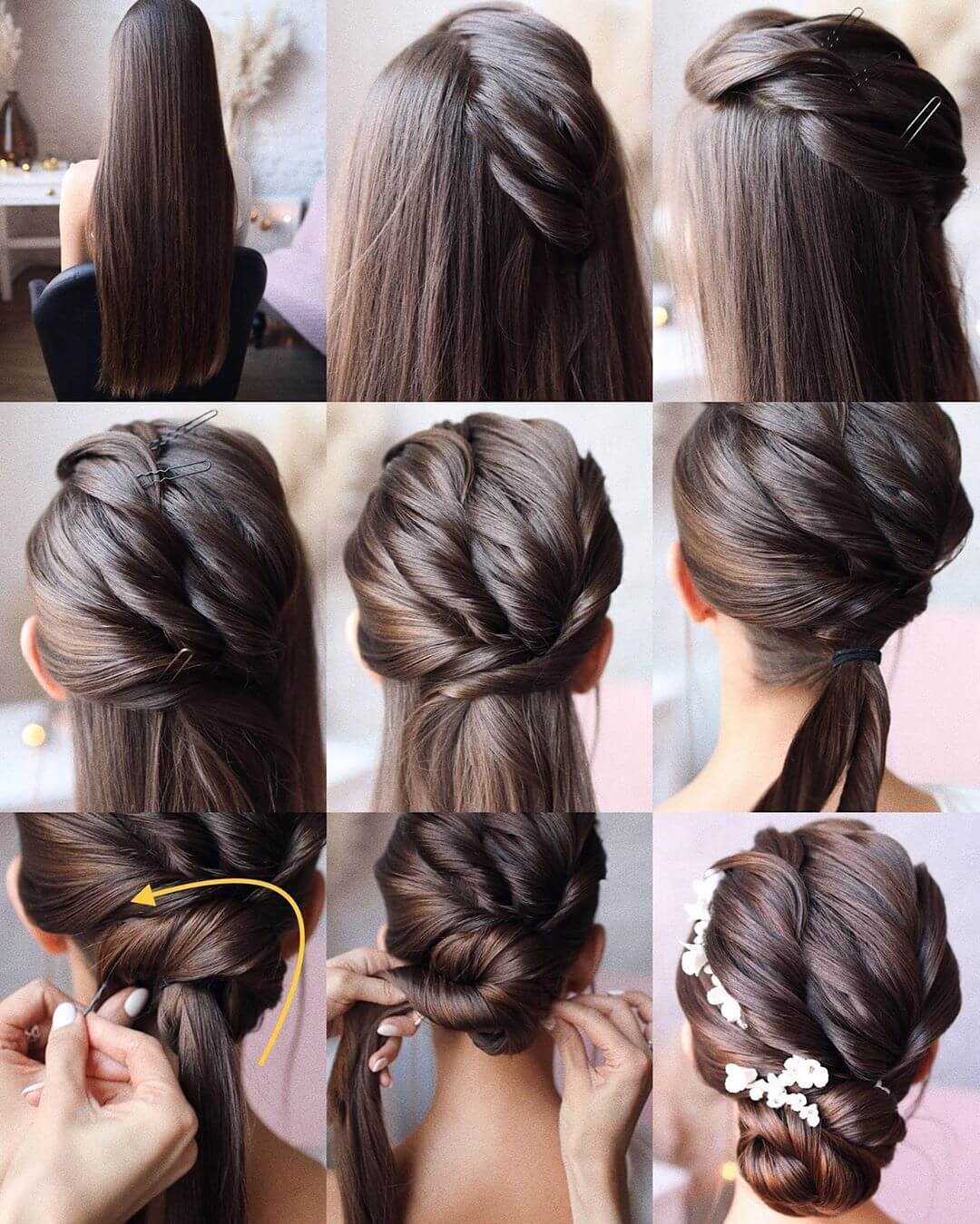
The low bun is a timeless, versatile style perfect for work, a casual outing, or dressed up for an evening event. It’s deceptively simple but exudes sophistication.
Best For: Medium to long hair.
Steps:
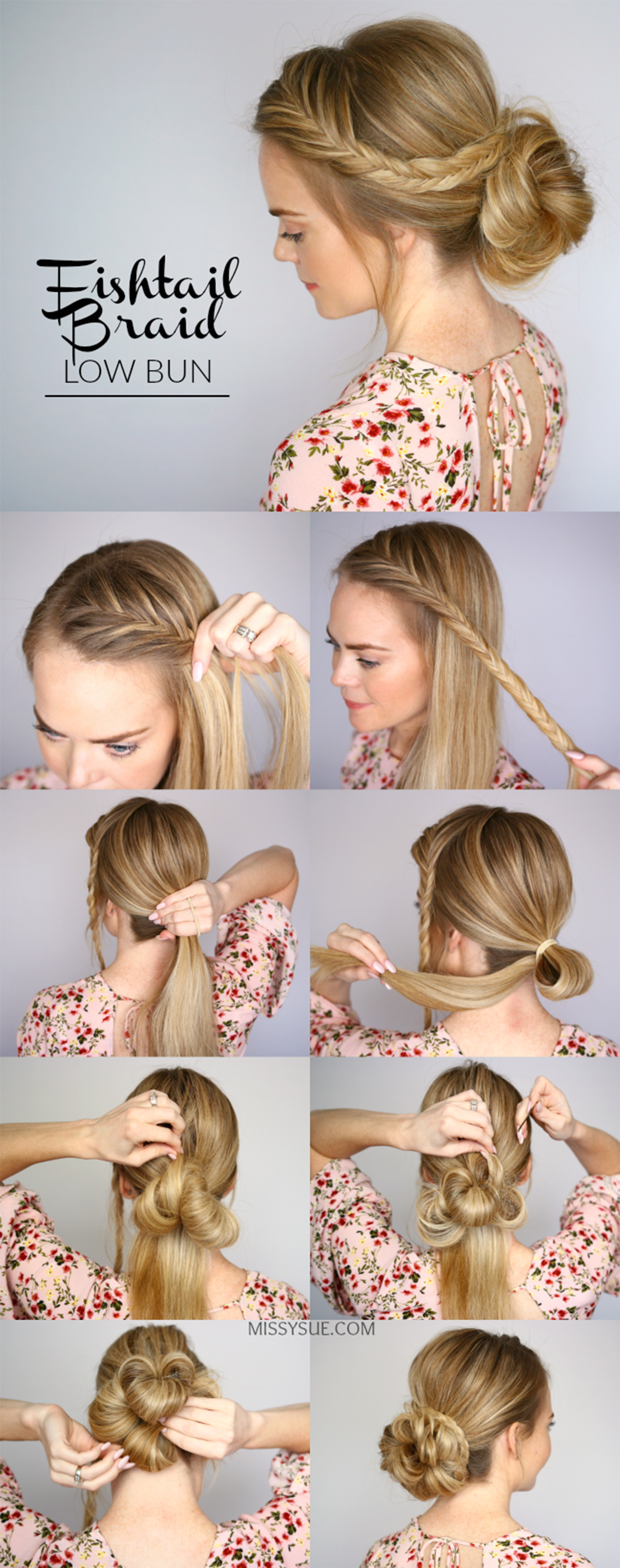
- Prep and Part: Start with dry, detangled hair. You can create a neat side part, a middle part, or pull all your hair back for a sleek look. For a softer look, leave out a few face-framing pieces.
- Gather a Low Ponytail: Using a paddle brush, smooth all your hair back to the nape of your neck. Secure it tightly with a hair elastic. Ensure there are no bumps on the crown or sides.
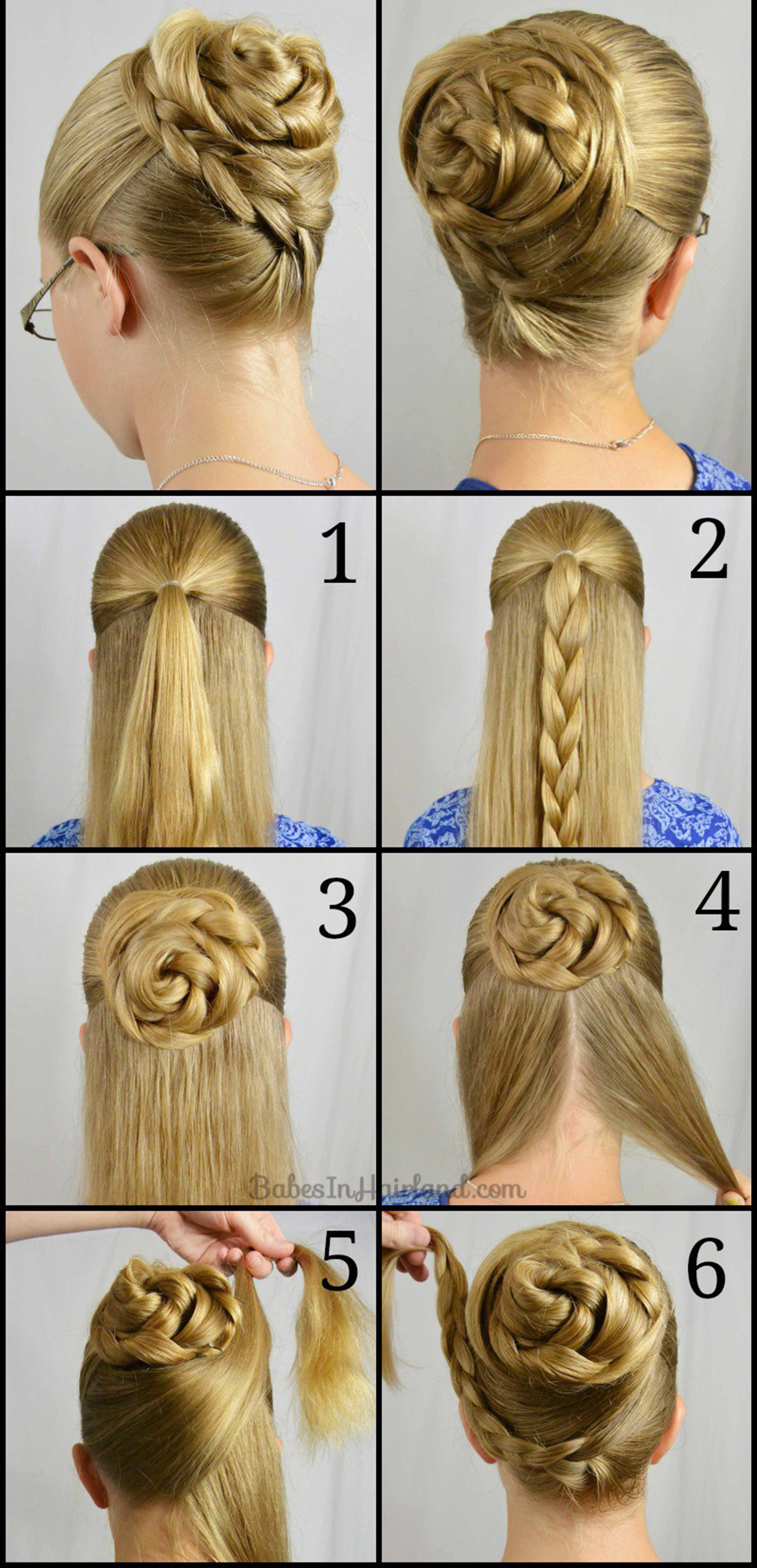
- Twist the Ponytail: Take the entire ponytail and twist it tightly from the base to the ends. The tighter you twist, the more compact and sleek your bun will be.
- Wrap the Bun: Begin wrapping the twisted ponytail around the base of the elastic. Continue wrapping until all the hair is coiled into a neat bun.
- Secure with Bobby Pins: Use bobby pins to secure the bun. Insert pins around the perimeter of the bun, pushing them into the base of the ponytail for a firm hold. Use as many as needed to feel secure. For a truly invisible hold, push the pin into the bun, then flip it and push it into the hair at the base.
- Refine and Finish: Gently tug at sections of the bun for a slightly softer, fuller look, or keep it super sleek. Smooth down any flyaways with a light hold hairspray or a touch of shine serum.
Tips & Variations:
- Messy Low Bun: For a more relaxed vibe, don’t twist the ponytail too tightly. Instead, gently coil it and secure it loosely with pins, allowing some strands to escape.
- Braided Low Bun: Braid your low ponytail before wrapping it into a bun for added texture.
- Accessorize: Add a decorative hair tie, a silk scarf, or a jeweled clip to elevate the look.
Hairstyle 2: Effortless Beach Waves (Sun-Kissed Sophistication)
Beach waves evoke a relaxed, sun-kissed vibe that looks effortlessly chic. They add volume and texture without appearing overly "done."
Best For: Medium to long hair, all hair types.
Steps (Using a Curling Iron/Wand):
- Prep and Protect: Start with dry, detangled hair. Apply a generous amount of heat protectant spray evenly throughout your hair.
- Section Your Hair: Use sectioning clips to divide your hair into manageable sections. Start with the bottom layer, clipping the rest of your hair up and out of the way.
- Choose Your Tool: A curling iron or wand with a 1-inch to 1.5-inch barrel is ideal for beach waves. A larger barrel creates looser waves, a smaller one creates tighter ones.
- Curl Away from the Face: Take a 1-inch to 2-inch section of hair. If using a curling iron with a clamp, clamp the hair near the root and wrap the hair around the barrel, away from your face. If using a wand, wrap the hair around the barrel, holding the ends.
- Leave Ends Out: Crucially, leave the last inch or two of your hair out of the curl. This creates that undone, natural beach wave look.
- Hold and Release: Hold the hair on the heat for 5-10 seconds (adjust based on your hair type and tool heat setting), then gently release. Don’t touch the curl until it’s cooled.
- Alternate Directions (Optional but Recommended): For a more natural, less uniform look, alternate the direction of your curls (one section away from the face, the next towards the face).
- Repeat and Cool: Continue section by section until all your hair is curled. Let all the curls cool completely before touching them. This helps them set and last longer.
- Break Up the Waves: Once cooled, gently run your fingers through the curls to break them up and create a softer, wavier texture. You can also use a wide-tooth comb or a paddle brush for a looser effect.
- Finish with Texture: Spritz a texturizing spray or dry shampoo throughout your hair, focusing on the mid-lengths and ends. Gently scrunch and tousle your hair to enhance the wave and add volume. A light mist of hairspray can provide extra hold.
Tips & Variations:
- Flat Iron Waves: You can also create beach waves using a flat iron by clamping a section of hair, twisting the iron, and pulling it down the strand.
- No-Heat Waves: Braid damp hair (French braids or multiple regular braids) and let it air dry overnight for heatless waves.
Hairstyle 3: The Timeless French Braid (Classic Charm)
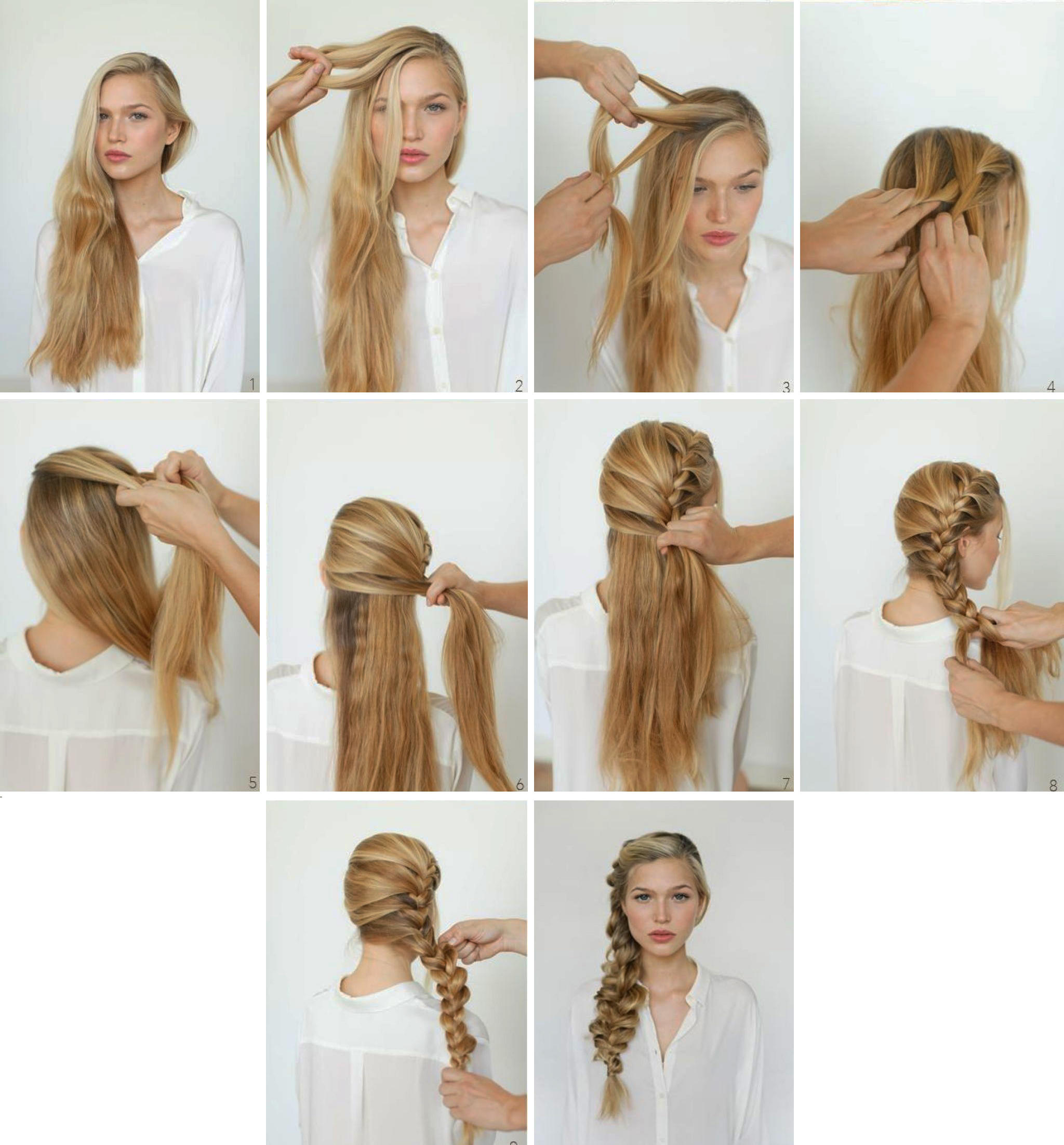
The French braid is an iconic, elegant style that keeps hair neatly tucked away while showcasing intricate detail. It’s a skill that, once mastered, opens up a world of braiding possibilities.
Best For: Medium to long hair.
Steps:
- Prep and Detangle: Start with dry, thoroughly detangled hair. For better grip and to reduce flyaways, you can apply a light texturizing spray or a small amount of styling cream.
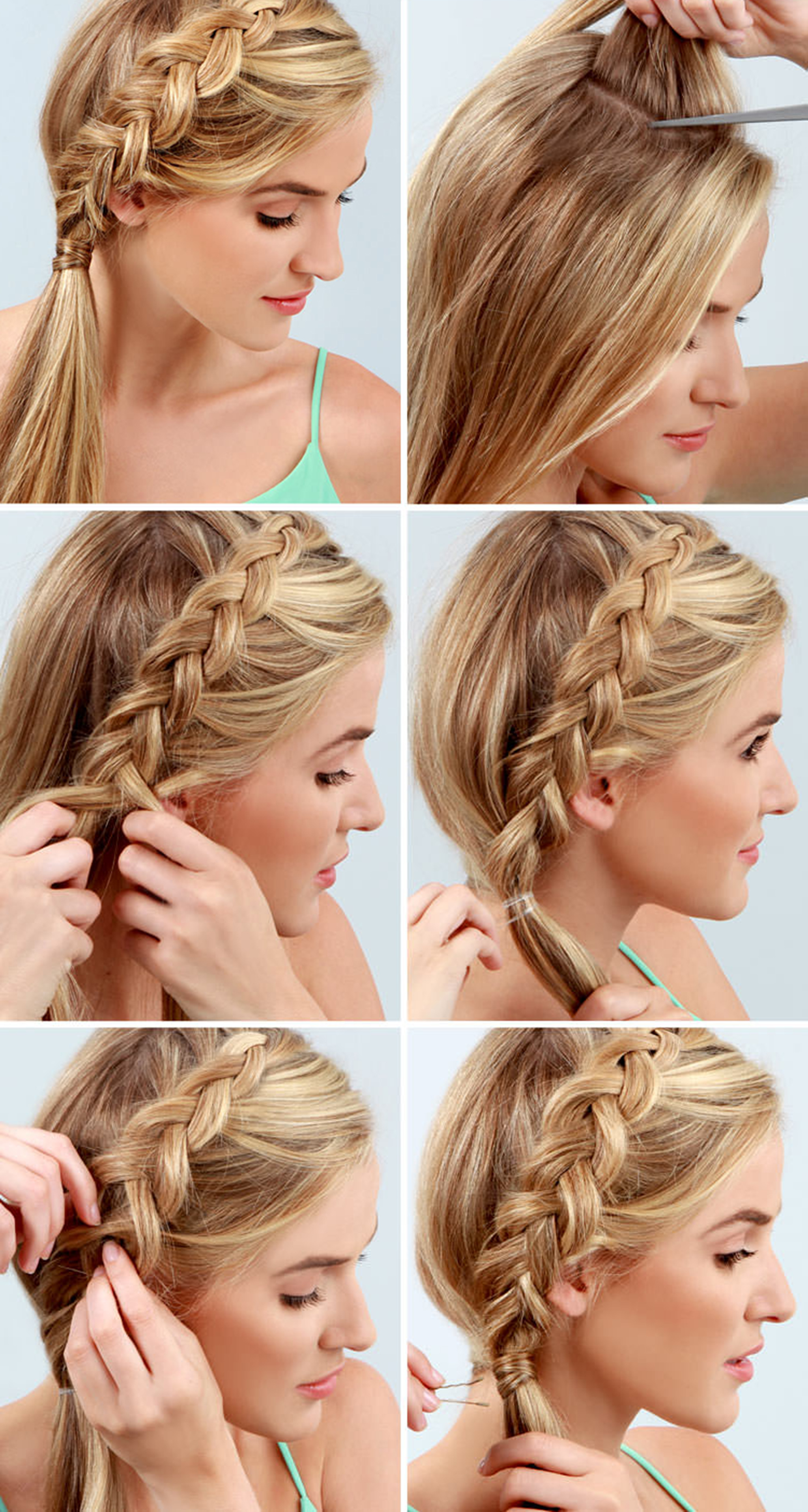
- Section the Crown: Gather a section of hair from the top of your head, near your hairline. This section should be about 2-3 inches wide and go back to the crown of your head.
- Divide into Three: Divide this initial section into three equal strands: left, middle, and right.
- Begin the Braid:
- Take the right strand and cross it over the middle strand. The right strand is now the new middle.
- Take the left strand and cross it over the new middle strand. The left strand is now the new middle.
- Add Hair and Braid (The French Braid Secret):
- Now, take the right strand again. Before crossing it over the middle, pick up a small, equal section of loose hair from the right side of your head and add it to this right strand. Then, cross this combined, thicker right strand over the middle strand.
- Repeat on the left: Take the left strand. Pick up a small, equal section of loose hair from the left side of your head and add it to this left strand. Then, cross this combined, thicker left strand over the new middle strand.
- Continue Down: Keep repeating step 5, adding small, equal sections of hair to the working strand each time before crossing it over the middle. Try to keep your sections consistent in size for a neat braid.
- Maintain Tension: Keep a consistent, firm tension as you braid to ensure the braid is tight and secure.
- Finish the Braid: Once you’ve incorporated all the hair from the sides and reached the nape of your neck, continue braiding the remaining hair as a regular three-strand braid.
- Secure: Secure the end of the braid with a hair elastic.
- Refine: Gently tug at the loops of the braid for a fuller, softer look (this is called "pancaking"). Smooth down any flyaways with hairspray.
Tips & Variations:
- Dutch Braid: Instead of crossing strands over the middle, cross them under the middle. This makes the braid pop out more.
- Double French Braids: Part your hair down the middle and create two French braids, one on each side.
- French Braid Updo: Once you’ve braided to the nape of your neck, coil the remaining regular braid into a bun and secure it with bobby pins.
Hairstyle 4: The Versatile Half-Updo (Understated Glamour)
The half-updo is the perfect compromise when you want your hair out of your face but still want to show off your length. It’s incredibly versatile and can range from casual to formal.
Best For: Medium to long hair.
Steps (Twisted Half-Updo):
- Prep and Style: Start with dry, detangled hair. You can wear your hair straight, wavy, or curled for this style – it works beautifully with all textures.
- Section the Top: Using your fingers or a comb, create a horizontal part from just above one ear to just above the other ear. This top section will be gathered for your half-updo. You can also just grab a section from your temples back.
- Gather and Twist (Option 1: Simple Twist):
- Take a section of hair from just above your left ear and twist it loosely towards the back of your head.
- Repeat with a section from just above your right ear, twisting it towards the back.
- Bring both twisted sections together at the back of your head, at the crown or slightly below.
- Secure: Secure the twisted sections together with a clear elastic or bobby pins. For a more polished look, wrap a small piece of hair around the elastic and secure it with a bobby pin.
- Loosen and Volumize: Gently tug at the hair on the crown to create some volume and looseness. You can also gently pull at the twisted sections for a softer, more romantic look.
- Style the Remaining Hair: Leave the bottom half of your hair as is, or enhance it with curls or waves for a more glamorous finish.
Tips & Variations:
- Half-Up Bun: Instead of twisting, gather the top section into a small ponytail and then wrap it into a mini bun, securing with pins.
- Half-Up Braid: Instead of twisting, create a small French or Dutch braid with the top section of hair.
- Add Accessories: A decorative clip, barrette, or even a small flower can instantly elevate a half-updo.
- Face-Framing Pieces: Leave out a few thin strands around your face for a softer, more romantic feel.
General Tips for Styling Success
- Practice Makes Perfect: Don’t get discouraged if your first attempt isn’t salon-perfect. Hair styling is a skill that improves with repetition.
- Patience is a Virtue: Rushing leads to frustration. Take your time, especially when learning new techniques.
- Invest in Quality Tools: Good tools not only make styling easier but also protect your hair from damage.
- Mirror, Mirror on the Wall: Use a good mirror with ample lighting. A handheld mirror can help you see the back of your head.
- Less is Often More with Products: Start with a small amount of product and add more if needed. Too much can weigh hair down or make it greasy.
- Embrace Imperfection: Sometimes, the most beautiful styles have a touch of natural imperfection. Don’t strive for absolute perfection, especially with styles like beach waves or messy buns.
- Don’t Be Afraid to Experiment: Once you’ve mastered the basics, try combining techniques or adding your own flair. Your hair is a canvas for self-expression!
Mastering your own hair styling is an empowering journey. It allows you to express your personality, adapt to different occasions, and boost your confidence. By breaking down complex looks into simple, actionable steps and equipping yourself with the right tools and a dose of patience, you’ll soon be creating beautiful hairstyles that turn heads and make you feel fabulous. Happy styling!