The right hairstyle is more than just a cut; it’s a powerful frame for your face, a statement of your personal style, and a significant boost to your confidence. Yet, for many, the journey to finding that perfect ‘do feels like navigating a labyrinth. We’ve all been there: armed with a magazine clipping or a celebrity photo, only to find the reality doesn’t quite match the dream. The secret lies not just in admiring a style, but in understanding how it will view on your unique face.
This comprehensive guide will demystify the process, taking you from understanding your facial canvas to mastering the art of visualization, ensuring your next salon visit leads to a truly transformative and flattering result.
Part 1: Understanding Your Canvas – The Face Shape Foundation
Before you even begin to browse styles, the most crucial step is to identify your face shape. This is the blueprint upon which all flattering hairstyles are built. While no two faces are identical, most fall into one of several general categories.
How to Determine Your Face Shape:
- Pull Back Your Hair: Ensure all hair is off your face, revealing your hairline and jawline.
- Look in a Mirror: Stand directly in front of a mirror in good lighting.
- Trace Your Outline: Using a bar of soap, a washable marker, or even a lipstick, carefully trace the outline of your face onto the mirror. Start from your chin, move up along your jawline, past your ears, along your hairline, and back down to your chin.
- Step Back and Observe: Compare the shape you’ve drawn to the descriptions below.
The Primary Face Shapes:
-
Oval: Considered the "ideal" shape, an oval face is gently rounded with balanced proportions. The forehead is slightly wider than the chin, and the cheekbones are the widest part of the face. It’s longer than it is wide.
- Celebrity Examples: Beyoncé, Jessica Alba, Rihanna.
-
Round: Characterized by soft curves, a round face has roughly equal width and length. The widest point is at the cheeks, and there are no prominent angles in the jawline or chin.
- Celebrity Examples: Selena Gomez, Emma Stone, Ginnifer Goodwin.
-
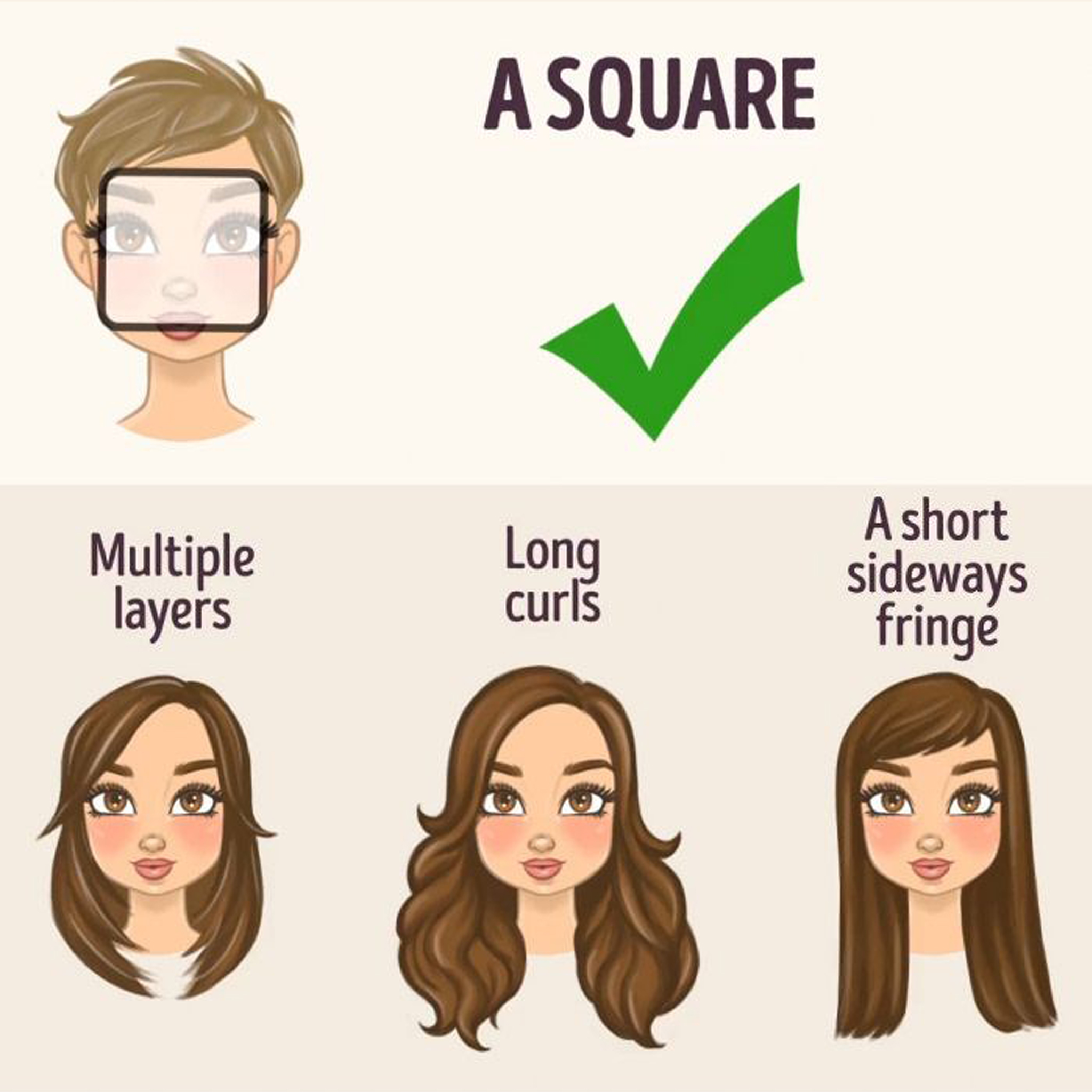
Square: A strong, angular face with a broad forehead, wide cheekbones, and a prominent, strong jawline that is roughly the same width as the forehead. The face length and width are often similar.
- Celebrity Examples: Angelina Jolie, Sandra Bullock, Olivia Wilde.
-
Heart (or Inverted Triangle): Features a wider forehead and cheekbones that taper down to a narrow, often pointed chin. The hairline may form a widow’s peak.
- Celebrity Examples: Reese Witherspoon, Scarlett Johansson, Kourtney Kardashian.
-
Long/Oblong: Similar to an oval but longer and narrower. The forehead, cheekbones, and jawline tend to be of similar width, with a greater length from forehead to chin.
- Celebrity Examples: Sarah Jessica Parker, Liv Tyler, Gisele Bündchen.
-
Diamond: Characterized by wide, high cheekbones, a narrower forehead, and a pointed chin. The widest part of the face is at the temples.
- Celebrity Examples: Megan Fox, Halle Berry, Vanessa Hudgens.
-
Triangle (or Pear): Features a narrow forehead that widens at the cheekbones and jawline. The jawline is the widest part of the face.
- Celebrity Examples: Kelly Osbourne, Renée Zellweger.
Part 2: The Art of Illusion – Matching Styles to Your Shape
Once you know your face shape, you can begin to understand the principles of optical illusion that guide flattering hairstyles. The goal is often to create the appearance of an oval face, or to balance out prominent features.
1. Oval Face:
- Goal: Maintain balance, enhance natural symmetry.
- Ideal Styles: Almost anything! Ovals can pull off a vast array of cuts.
- Short: Pixie cuts, bobs (blunt, layered, asymmetrical).
- Medium: Shags, lobs (long bobs), layered cuts that frame the face.
- Long: Long layers, soft waves, straight styles.
- Bangs: All types – blunt, wispy, side-swept, curtain bangs.
- Styles to Be Mindful Of: While versatile, avoid styles that add too much height on top or too much bulk on the sides, as this can elongate the face unnecessarily.
2. Round Face:
- Goal: Add length and definition, create angles, minimize width.
- Ideal Styles:
- Volume on Top: Styles that add height at the crown (e.g., a layered pixie with volume, a high bun).
- Long Layers: Layers that start below the chin to elongate the face.
- Side Parts: Creates an illusion of asymmetry and length.
- Long, Face-Framing Bangs: Side-swept or curtain bangs that sweep across the forehead and blend into layers.
- Lobs/Bobs: Longer bobs that fall below the chin.
- Styles to Avoid: Blunt bobs that end at the chin (emphasizes roundness), short, voluminous curls around the cheeks, straight-across blunt bangs (can make the face appear wider and shorter).
3. Square Face:
- Goal: Soften angular features, add curves, lengthen the face.
- Ideal Styles:
- Soft Layers: Layers that start around the jawline to soften the strong lines.
- Waves and Curls: Add softness and movement, distracting from sharp angles.
- Side-Swept Bangs: Break up the forehead and soften the jawline.
- Long Bobs (Lobs): Especially with soft waves or layers.
- Long Hair: With layers that frame the face, drawing attention away from the jaw.
- Volume at the Sides: Adds width around the temples and cheekbones to balance the jaw.
- Styles to Avoid: Blunt, straight-across bobs that end at the jawline, super short blunt bangs, very sleek, straight styles that emphasize angularity.
4. Heart Face:
- Goal: Balance the wider forehead with the narrower chin, add width to the jawline.
- Ideal Styles:
- Chin-Length Bobs: Especially those with volume or curls at the bottom to widen the chin area.
- Side-Swept Bangs: Draw attention away from the wider forehead.
- Long Layers: Layers that start around the chin or below, adding fullness to the lower part of the face.
- Pixie Cuts with Volume at the Nape: A longer, softer pixie can work, especially if it’s fuller at the bottom.
- Deep Side Parts: Creates asymmetry and reduces the perceived width of the forehead.
- Styles to Avoid: Blunt, heavy bangs that emphasize the forehead, very short, severe cuts that highlight the pointed chin, styles that add too much volume at the crown.
5. Long/Oblong Face:
- Goal: Add width, minimize length, create the illusion of a shorter face.
- Ideal Styles:
- Bangs: Essential for breaking up the length of the face. Blunt, fringe, or curtain bangs work well.
- Chin-Length Bobs: Add width at the mid-face.
- Waves and Curls: Add horizontal volume, making the face appear wider.
- Layers Around the Cheekbones: Create fullness and break up the vertical line.
- Fullness at the Sides: Styles that are wider at the sides rather than tall on top.
- Styles to Avoid: Long, straight, flat hair with no layers or bangs (exaggerates length), excessive volume on top (further elongates the face), severe center parts.
6. Diamond Face:
- Goal: Soften the cheekbones, add width to the forehead and chin.
- Ideal Styles:
- Bangs: Soft, wispy bangs or side-swept bangs can soften the forehead and cheekbones.
- Chin-Length Bobs: With volume or curls at the chin to add width.
- Tucked-Behind-Ear Styles: Can highlight the cheekbones beautifully.
- Mid-Length to Long Layers: Layers that start around the chin or jawline.
- Deep Side Parts: Softens the angles.
- Styles to Avoid: Short, blunt bangs that emphasize the forehead, sleek styles that draw attention to the widest part of the face (cheekbones), excessive volume on top.
7. Triangle Face:
- Goal: Balance the wider jawline with a narrower forehead, add width to the upper face.
- Ideal Styles:
- Volume at the Crown/Temples: Styles that add fullness to the upper part of the face.
- Bangs: Full, blunt bangs or side-swept bangs can add width to the forehead.
- Pixie Cuts: Especially those with volume on top.
- Layered Bobs: That are fuller around the temples and cheekbones, tapering towards the jaw.
- Shags: With layers that add volume to the upper face.
- Styles to Avoid: Styles that are wider at the jawline, long, sleek styles that emphasize the narrow forehead and wide jaw, center parts with no volume.
Part 3: Beyond the Blueprint – Other Critical Factors
While face shape is foundational, it’s not the only determinant. A truly flattering style considers your entire hair profile and lifestyle.
- Hair Texture (Straight, Wavy, Curly, Coily): Your natural texture dictates how a cut will fall and how much styling effort it will require. A style that looks effortless on wavy hair might be a daily battle for someone with pin-straight strands.
- Hair Density (Fine, Medium, Thick): Fine hair needs cuts that create volume (e.g., blunt cuts, strategic layers), while thick hair benefits from layering to remove bulk and add movement.
- Hair Condition: Damaged or brittle hair might not hold certain styles or tolerate extensive heat styling. Prioritize health.
- Lifestyle: Are you low-maintenance or do you enjoy daily styling? Do you need a style that can be easily tied back for work or sports? Your haircut should fit your routine, not fight it.
- Personal Style & Vibe: Do you lean classic, edgy, bohemian, sophisticated? Your hair should reflect your overall aesthetic. Don’t choose a style just because it’s "flattering" if it doesn’t feel like you.
- Age: While age shouldn’t dictate style, practicalities and a desire for a more polished or youthful look might influence choices. Softer lines and less severe cuts often complement mature faces.
- Skin Tone & Eye Color: While these primarily influence hair color choices, a well-chosen cut can also highlight these features. For instance, a cut that frames the face can draw attention to striking eyes.
Part 4: The Visualization Process – Seeing It Before You Snip
This is where the magic happens – translating theoretical knowledge into a practical vision.
-
Collect Inspiration:
- Pinterest & Instagram: Create boards dedicated to hairstyles you like. Look for people with similar face shapes, hair textures, and even features (e.g., glasses).
- Magazines: Don’t just look at celebrity photos; analyze the cuts.
- Friends/Acquaintances: Notice what looks good on others and why.
-
Digital Try-On Apps & Websites:
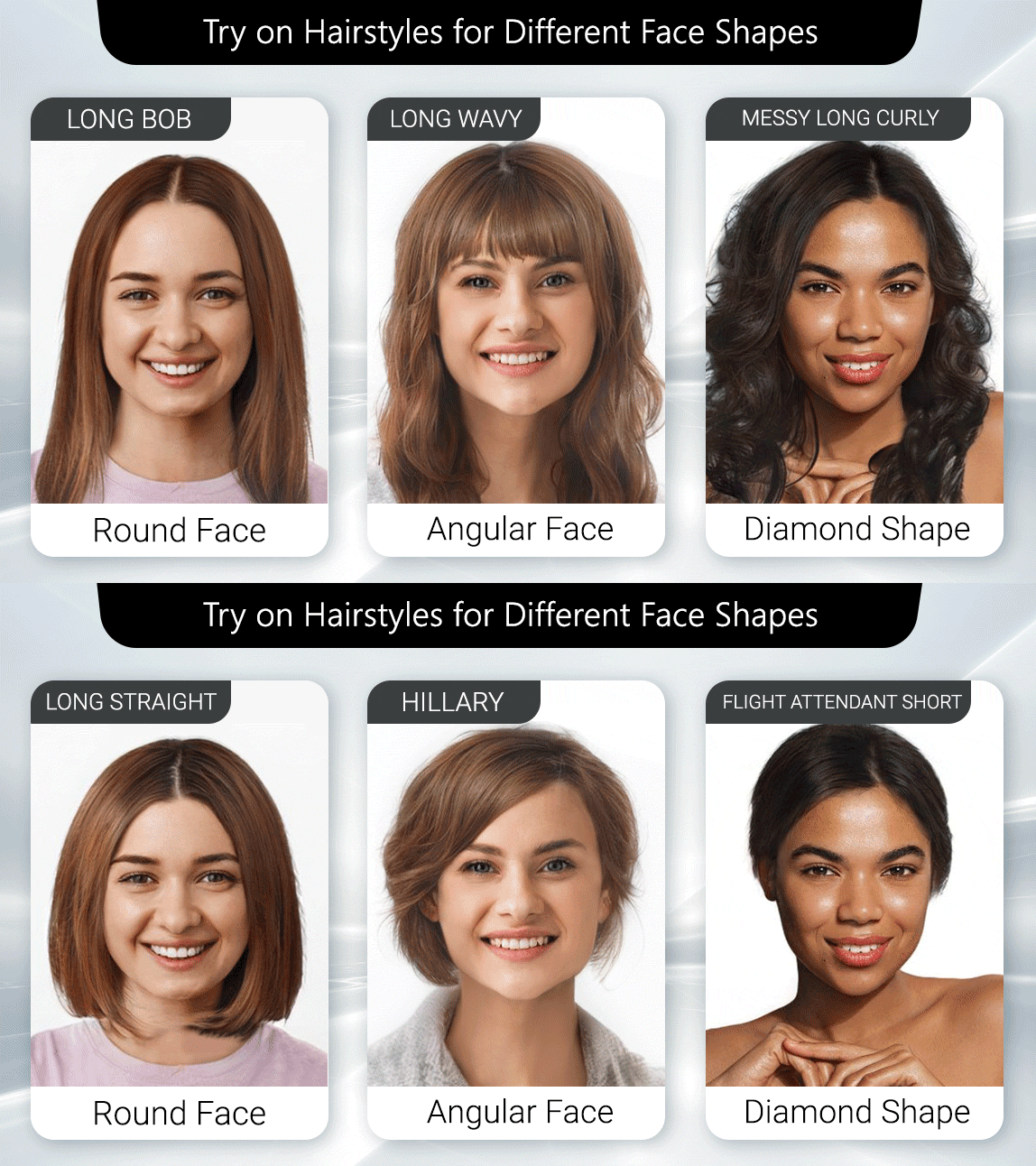
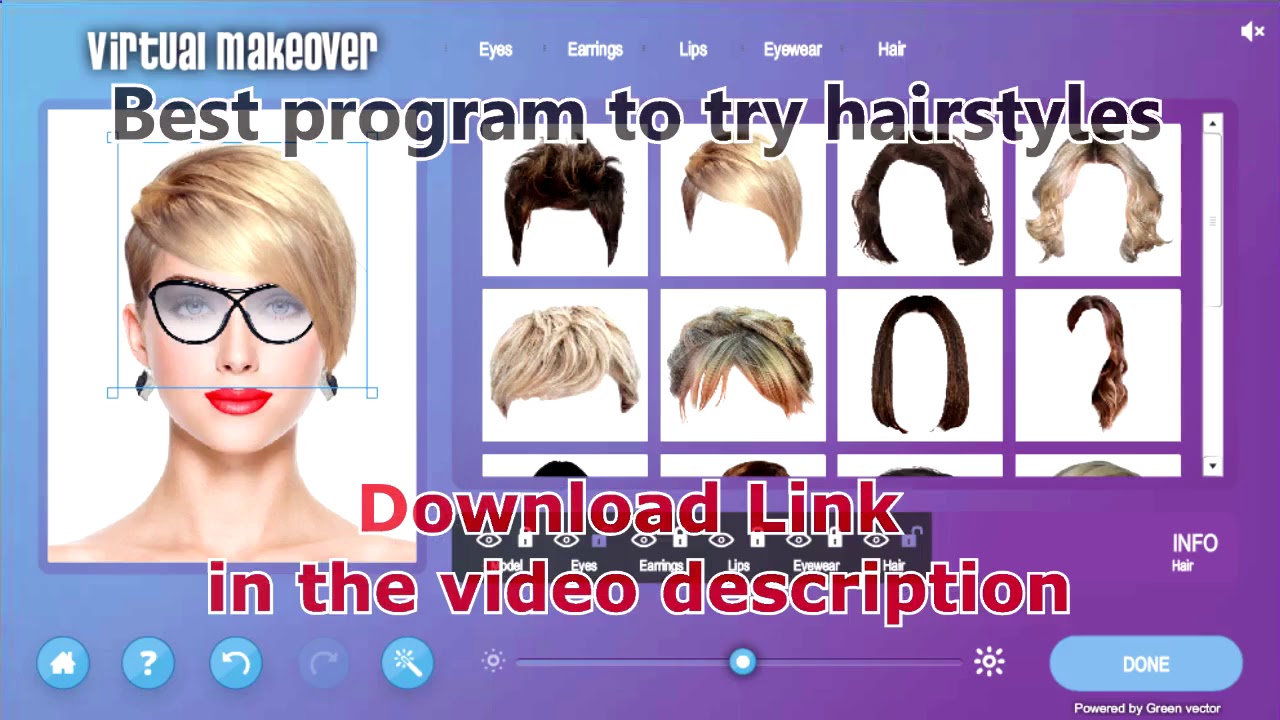
- Many apps (e.g., YouCam Makeup, Hair Zapp, Facetune) allow you to upload a selfie and virtually "try on" different hairstyles, colors, and even bangs. While not perfect, they offer a decent approximation.
- Some salon chains or hair product brands also offer virtual try-on tools on their websites.
-
Wigs:
- If you’re considering a drastic change (e.g., from long to a bob or pixie), investing in an inexpensive wig in the desired length and style can be incredibly insightful. You can physically see how the length and volume frame your face.
-
Manipulate Your Own Hair:
- Pinning: If you have long hair, pin it up to simulate a bob or a pixie. Use bobby pins to create a faux bob by tucking ends under.
- Faux Bangs: Take a section of hair from your ponytail, pull it forward over your forehead, and pin it to simulate bangs.
- Different Parts: Experiment with a deep side part, a center part, or a zig-zag part to see how it changes your face’s appearance.
- Volume/Flatness: Use products or just your hands to see how adding volume at the crown, sides, or ends changes your face shape.
-
Consult a Professional Stylist:
- This is perhaps the most valuable step. A skilled stylist has an trained eye for face shapes, hair textures, and current trends.
- Bring your inspiration photos (both "likes" and "dislikes").
- Be open to their suggestions. They can often recommend modifications to a style you like to make it perfect for you. They can also tell you if a style is realistic for your hair type and lifestyle.
- Ask for their honest opinion on how a style will view on your face.
Part 5: Common Pitfalls to Avoid
- Ignoring Your Face Shape: The biggest mistake. A trendy cut won’t flatter if it clashes with your facial structure.
- Chasing Trends Blindly: What looks great on a supermodel might not work for your hair type or face shape. Trends are guides, not mandates.
- Not Considering Hair Type: A layered cut on fine hair might look stringy, while a blunt cut on thick hair can look like a helmet.
- Impulsive Decisions: Avoid drastic changes after a bad day or seeing one photo. Take time to visualize and consult.
- Fear of Change: While caution is good, don’t let fear prevent you from trying something new that could truly enhance your look.
Conclusion: The Ultimate Goal – Confidence and Self-Expression
Viewing hairstyles on your face is an art and a science. It’s about understanding the unique canvas you possess and then applying principles of design to create balance, enhance features, and express your individuality. By diligently assessing your face shape, considering your hair’s unique characteristics, and utilizing visualization tools, you empower yourself to make informed decisions.
Remember, rules are merely guidelines. The ultimate measure of a successful hairstyle is how it makes you feel. When you look in the mirror and see a reflection that radiates confidence, joy, and authenticity, you’ve found your perfect view. Embrace the journey, experiment thoughtfully, and let your hair become a powerful extension of your unique beauty.